

EA Sports Unveils Management Overhaul for EA FC 27 Career Mode
Electronic Arts has revealed structural updates for Career Mode in EA FC 27, aiming to align virtual gameplay with modern football management realities.
By The Global Wire Newsroom · Reported from Ripan Majumdar
Link preview · horizonglobalnews.com
EA Sports Unveils Management Overhaul for EA FC 27 Career Mode
Electronic Arts has revealed structural updates for Career Mode in EA FC 27, aiming to align virtual gameplay with modern football management realities.
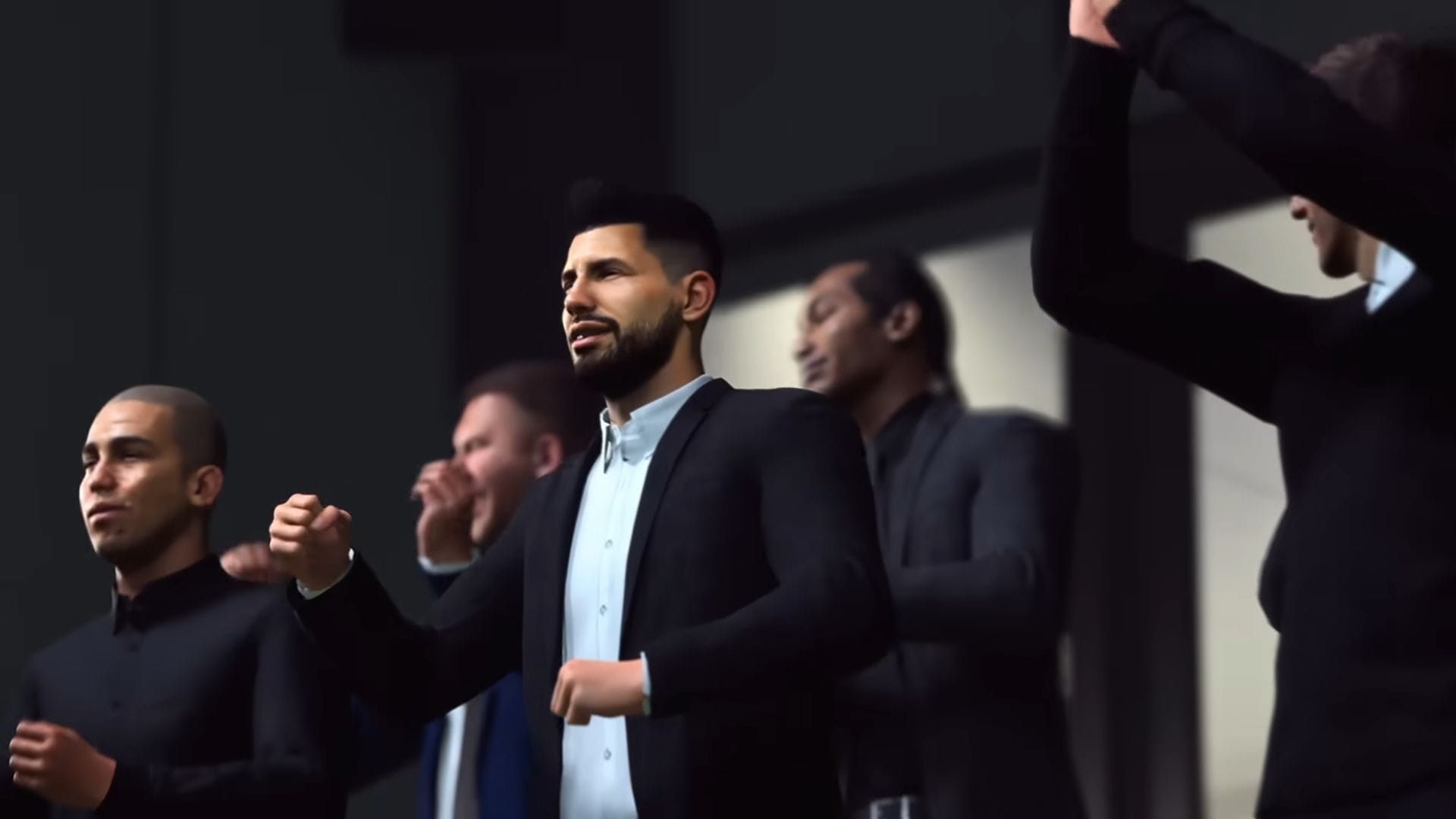
Electronic Arts has detailed the upcoming updates for the Career Mode feature in EA FC 27, signaling a strategic effort to align the virtual gameplay experience with the complex operational realities of contemporary football club management.
According to reporting by Ripan Majumdar, the game’s development team outlined a series of systemic updates designed to elevate realism for players taking on managerial roles within the virtual simulation. The disclosure forms part of EA Sports' routine pre-release feature deep dives, offering an initial look at how squad assembly, tactical control, and operational workflows will function in the forthcoming title.
Realism targeted in virtual management
The newly disclosed details focus on refining the day-to-day responsibilities required of virtual managers. As sports management in real-world football becomes increasingly sophisticated—driven by data analytics, intricate transfer market structures, and evolving tactical philosophies—the virtual environment is adapting to reflect those operational standards.
According to reporting by Ripan Majumdar, the updates disclosed by the development team emphasize bringing the simulation into closer alignment with modern football realities. For video game developers, creating a believable management ecosystem requires balancing mathematical depth with user accessibility. The newly announced changes for EA FC 27 represent the latest effort by Electronic Arts to deepen the strategic layer of its offline single-player mode, which has long served as a core pillar of the interactive sports genre.
In modern football, managerial success relies heavily on holistic decision-making, extending far beyond tactical decisions on matchdays. Developers working on sports simulations face the ongoing challenge of replicating these interconnected systems, including squad rotation dynamics, contract negotiations, player morale management, and long-term financial stability.
The evolving landscape of professional football
The effort to modernize Career Mode arrives at a time when real-world football management is undergoing rapid structural transformation. Over the past two decades, elite football clubs have shifted away from traditional single-manager models toward multi-tiered executive structures involving technical directors, sports science specialists, data analysis departments, and specialized scouting networks.
Tactical trends have also accelerated, with high-pressing systems, fluid positional interchanges, inverted full-backs, and hyper-specific role definitions becoming standard across top-tier European leagues. Transfer negotiations have similarly evolved, incorporating complex performance-based clauses, multi-club ownership networks, sell-on agreements, and stringent financial regulations such as profit and sustainability rules.
By adjusting Career Mode to better reflect these dynamic factors, the EA FC series attempts to mirror the multi-faceted pressures faced by contemporary managers. While early iterations of sports video games focused almost exclusively on direct pitch action, modern gaming audiences increasingly demand comprehensive off-pitch control, ranging from youth academy development to long-term roster construction.
Context within the EA FC franchise history
The upcoming launch of EA FC 27 marks another chapter for Electronic Arts following its landmark rebranding away from the long-running FIFA title series. The transition into the independent EA FC brand provided the studio with a renewed mandate to re-examine core game modes and modernize long-standing game mechanics.
Career Mode remains one of the most consistently played features within the franchise, serving as a primary attraction for players seeking single-player progression outside of the online, microtransaction-driven Ultimate Team ecosystem. Over successive annual releases, community feedback regarding Career Mode has consistently prioritized deeper realism, improved artificial intelligence during transfer negotiations, dynamic player growth trajectories, and more believable managerial interactions.
Historically, offline modes in annual sports franchises have faced scrutiny from player bases concerned that online live-service components receive the majority of post-launch support and development resources. The focus on management mechanics in EA FC 27 underscores EA Sports' efforts to maintain the viability and depth of its offline offerings alongside its competitive multiplayer modes.
Balancing accessibility and simulation depth
Developing sports simulation software presents a complex balance: satisfying casual players who desire straightforward, fast-paced management while simultaneously fulfilling the demands of hardcore simulation enthusiasts who seek granular control over every aspect of a club.
Competitor titles in the dedicated sports management sphere have traditionally set a high benchmark for detailed club administration, challenging broad-market simulation titles to expand their strategic depth without alienating broader audiences. For EA FC 27, the primary technical challenge lies in introducing layered management features that add meaningful decision-making without creating unnecessary friction or overwhelming menus for players who prefer to focus on on-pitch gameplay.
Industry analysts note that successful sports titles often achieve this balance through modular options and delegation systems. These mechanisms allow users to automate routine administrative tasks through virtual backroom staff while retaining direct control over high-priority financial, tactical, and transfer decisions.
Economic and cultural footprint of interactive sports games
The interactive sports sector represents one of the most lucrative segments of the global video game industry. Annual releases from major franchises generate billions of dollars in revenue globally, driven by a combination of upfront software sales and recurring digital purchases.
Beyond financial metrics, football simulation games exercise a notable influence on global football culture. Players, managers, and fans frequently reference video game ratings and virtual tactics in mainstream sports discussions. For younger audiences, sports video games often serve as a primary entry point into understanding tactical structures, international leagues, and player rosters across global football.
Consequently, updates to modes like Career Mode are closely monitored by both the gaming industry and football culture at large. Incremental improvements to realism help maintain the franchise's standing as a dominant cultural touchstone in digital sports entertainment.
Industry expectations and launch outlook
As the release date for EA FC 27 approaches, further details regarding specific gameplay balance adjustments, licensing partnerships, and engine enhancements are expected to be disclosed by Electronic Arts. The unveiling of Career Mode features represents a critical phase in the game's annual promotional campaign, targeting a core demographic that measures a title's value by its structural authenticity and replayability.
The ongoing development cycle highlights the relentless schedule of annual sports gaming, where development teams must balance incremental code refinements with broader systemic overhauls. Whether the newly outlined management features fully capture the nuances of modern professional football will ultimately be determined when the community gains access to the full title upon launch.
This report is based on original reporting by Ripan Majumdar.
How this story was produced
This report was written by The Global Wire newsroom from reporting first published by Ripan Majumdar. We verify the core facts against the original report, write our own account, and add the background and consequences a short wire item leaves out. Drafting is AI-assisted inside an editor-supervised pipeline, and every story is checked for accuracy of attribution, structure and duplication before it appears — full detail in our AI and funding disclosure.
Spotted an error? Tell us at corrections@horizonglobalnews.com and read our corrections policy or editorial standards.





Reader comments
Loading comments…