

Cyprus Retail Sales Hold Firm as Foreign Residents Counter Frugal Domestic Shopping Habits
A growing foreign population supported Cyprus summer retail performance as local shoppers made more frequent supermarket visits and prioritized basic goods over non-essential purchases.
By The Global Wire Newsroom · Reported from Souzana Psara
Link preview · horizonglobalnews.com
Cyprus Retail Sales Hold Firm as Foreign Residents Counter Frugal Domestic Shopping Habits
A growing foreign population supported Cyprus summer retail performance as local shoppers made more frequent supermarket visits and prioritized basic goods over non-essential purchases.
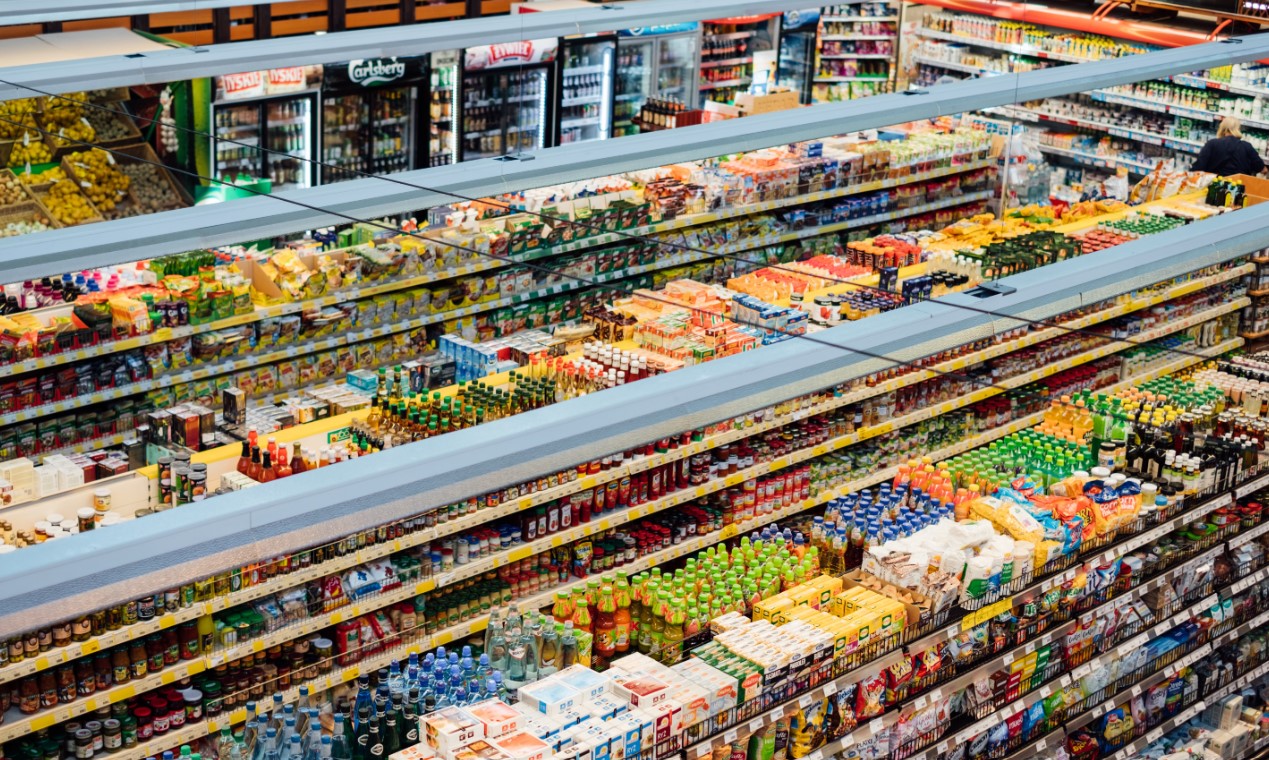
In late August 2026, retail activity across the Republic of Cyprus presented a clear contrast between disciplined local spending habits and resilient nationwide revenue performance, driven by changing population dynamics and consumer caution. According to reporting by Souzana Psara, shoppers throughout the Mediterranean island nation have adjusted to persistent economic pressures by visiting grocery stores more frequently, comparing prices across competing supermarket chains, and actively avoiding non-essential items. Although these habits have led to noticeably smaller shopping basket sizes, overall retail performance remained strong through the peak summer trading period. The domestic commercial market was bolstered by a growing international community, as foreign residents living in Cyprus provided a steady baseline of consumer demand that offset reduced purchase volumes among local households.
Key facts
What happened
During the summer 2026 retail season, consumer behavior in Cyprus underwent a structured realignment. Based on reporting by Souzana Psara, local households abandoned traditional bulk-buying routines that concentrated spending at single supermarket locations. Instead, shoppers adopted a fragmented approach to grocery shopping, visiting multiple retail chains each week to take advantage of store promotions, loyalty discounts, and price discrepancies on specific household products.
This strategic approach to grocery shopping directly resulted in a decline in average transaction values across retail stores. With consumers strictly focusing on immediate household needs, discretionary and non-essential items were routinely left off shopping lists or returned to shelves. The shift reflected a broader attempt by local families to manage household cash flow in an environment of elevated living costs.
However, the reduction in individual basket size did not produce a corresponding decline in broad retail industry sales figures. Total retail revenues across Cyprus held firm through the summer months, largely due to ongoing spending by foreign nationals residing on the island. The sustained presence of foreign professionals, corporate transferees, and permanent international residents created a strong secondary driver of retail demand. This demographic buffer helped major grocery chains and retail outlets maintain healthy foot traffic and aggregate sales volumes, offsetting the impact of tighter household budgets among native Cypriot shoppers.
Why it matters
The shift in spending patterns carries meaningful consequences for commercial strategy, supply chain management, and national economic policy in Cyprus. For retail operators and supermarket executives, higher visit frequencies coupled with smaller purchase sizes create distinct operational challenges. Store managers must handle increased customer traffic and higher transaction counts without a proportional rise in revenue per visit, raising operational overhead for checkout staffing, customer service, and shelf stocking. Inventory management strategies must also adapt, as demand shifts rapidly toward basic food staples and value items while higher-margin discretionary goods experience slower turnover.
At the commercial level, intense price comparison among consumers heightens competition between competing supermarket chains. Retailers are compelled to adjust pricing algorithms, expand private-label product lines, and offer targeted promotional discounts to retain price-sensitive shoppers who demonstrate little store loyalty when lower prices are available elsewhere.
On a macroeconomic scale, the findings emphasize the growing economic role of Cyprus’s expanding foreign population. While domestic households remain constrained by eroded purchasing power, foreign residents act as an essential economic stabilizer that helps preserve private consumption—one of the largest components of Cypriot gross domestic product. However, this dynamic also highlights an emerging structural divide within the domestic economy, where retail prices and consumer demand are increasingly sustained by foreign income streams, even as local wage earners face ongoing affordability challenges.
The background
Understanding current retail trends requires examining the broader economic trajectory of the Republic of Cyprus over the past decade. Following the 2013 financial crisis, which required a comprehensive bailout package from the European Union and the International Monetary Fund, Cyprus implemented deep structural reforms to stabilize its fiscal standing and banking sector. As part of its long-term economic strategy, the government sought to diversify the national economy beyond traditional tourism and financial services by attracting foreign direct investment, technology companies, and skilled international workers.
To facilitate this transition, Cypriot authorities established initiatives such as the Business Facilitation Unit and introduced favorable tax structures alongside flexible residency frameworks for foreign professionals. These measures successfully transformed cities like Limassol, Nicosia, and Larnaca into regional headquarters for international technology, shipping, and professional service firms. The influx of international employees, remote workers, and foreign families brought a significant population of higher-earning residents to the island, altering demographic and economic patterns.
Concurrently, European economies, including Cyprus, faced inflationary shocks following global supply chain disruptions and energy market spikes in 2022 and 2023. Although headline inflation across the euro area steadily moderated toward the European Central Bank’s two percent inflation target by 2025 and 2026, the cumulative impact of several years of price increases left basic foodstuffs, consumer goods, and utility costs substantially higher than pre-crisis levels. As real wage growth lagged behind living costs across Southern Europe, consumers increasingly adopted cost-conscious shopping habits, including store-brand purchasing and active price comparison across supermarket chains.
Reaction
Commercial organizations and consumer representatives in Cyprus monitor retail sales metrics as key indicators of broader economic health. Although formal statements from retail trade associations were not included in the initial reporting by Souzana Psara, industry observers routinely evaluate foot traffic and transaction sizes to gauge consumer confidence.
Consumer advocacy groups, such as the Cyprus Consumers Association, consistently encourage households to monitor price transparency tools and compare costs across different vendors to combat elevated living expenses. Supermarket operators in Cyprus are expected to respond to selective consumer spending by enhancing digital loyalty platforms, offering weekly bundle discounts on core staples, and expanding lower-cost private-label offerings to prevent customer attrition. At the government level, economic planners at the Ministry of Finance closely monitor retail indicators to assess household financial stress and measure the broader impact of foreign demographic growth on tax revenues and commercial activity.
What we don't know yet
Despite the insights provided into consumer behavior, several quantitative details remain unverified in the available reporting. The exact percentage rate of retail sales growth during the summer 2026 period has not been disclosed, nor has the precise reduction in average basket size relative to the previous year. Additionally, official statistical breakdowns distinguishing the spending contributions of permanent foreign residents from seasonal tourist expenditures are not specified. Gaps also remain regarding regional variations across the island, as it is unknown whether selective shopping behaviors are equally prevalent in coastal tourist destinations compared to inland residential communities, or if specific retail categories outside of grocery trade face greater revenue pressure.
What to watch
Key economic releases and policy developments will clarify whether these consumer patterns represent a permanent structural shift. Stakeholders should observe upcoming monthly releases from the Statistical Service of Cyprus (Cystat), particularly the Turnover Index in Retail Trade, to determine if overall commercial sales remain strong through autumn and winter. The Ministry of Finance’s quarterly gross domestic product reports will also offer critical data regarding household consumption expenditures. Furthermore, decisions on interest rates by the European Central Bank and broader euro area inflation updates from Eurostat will indicate whether underlying price pressures on Cypriot consumers are subsiding. Finally, any legislative or policy changes regarding work permits and foreign tax residency rules will reveal whether the influx of foreign residents will continue to support the domestic retail sector.
This report is based on original reporting published by Souzana Psara.
How this story was produced
This report was written by The Global Wire newsroom from reporting first published by Souzana Psara. We verify the core facts against the original report, write our own account, and add the background and consequences a short wire item leaves out. Drafting is AI-assisted inside an editor-supervised pipeline, and every story is checked for accuracy of attribution, structure and duplication before it appears — full detail in our AI and funding disclosure.
Spotted an error? Tell us at corrections@horizonglobalnews.com and read our corrections policy or editorial standards.





Reader comments
Loading comments…