

CM Punk Reflects on Abrasive Mindset During Past WWE Feud With The Rock
Veteran wrestler CM Punk has looked back on his decade-old WWE storyline with Dwayne "The Rock" Johnson, acknowledging he was overly angry and abrasive at the time.
By The Global Wire Newsroom · Reported from Shubhajit Deb
Link preview · horizonglobalnews.com
CM Punk Reflects on Abrasive Mindset During Past WWE Feud With The Rock
Veteran wrestler CM Punk has looked back on his decade-old WWE storyline with Dwayne "The Rock" Johnson, acknowledging he was overly angry and abrasive at the time.
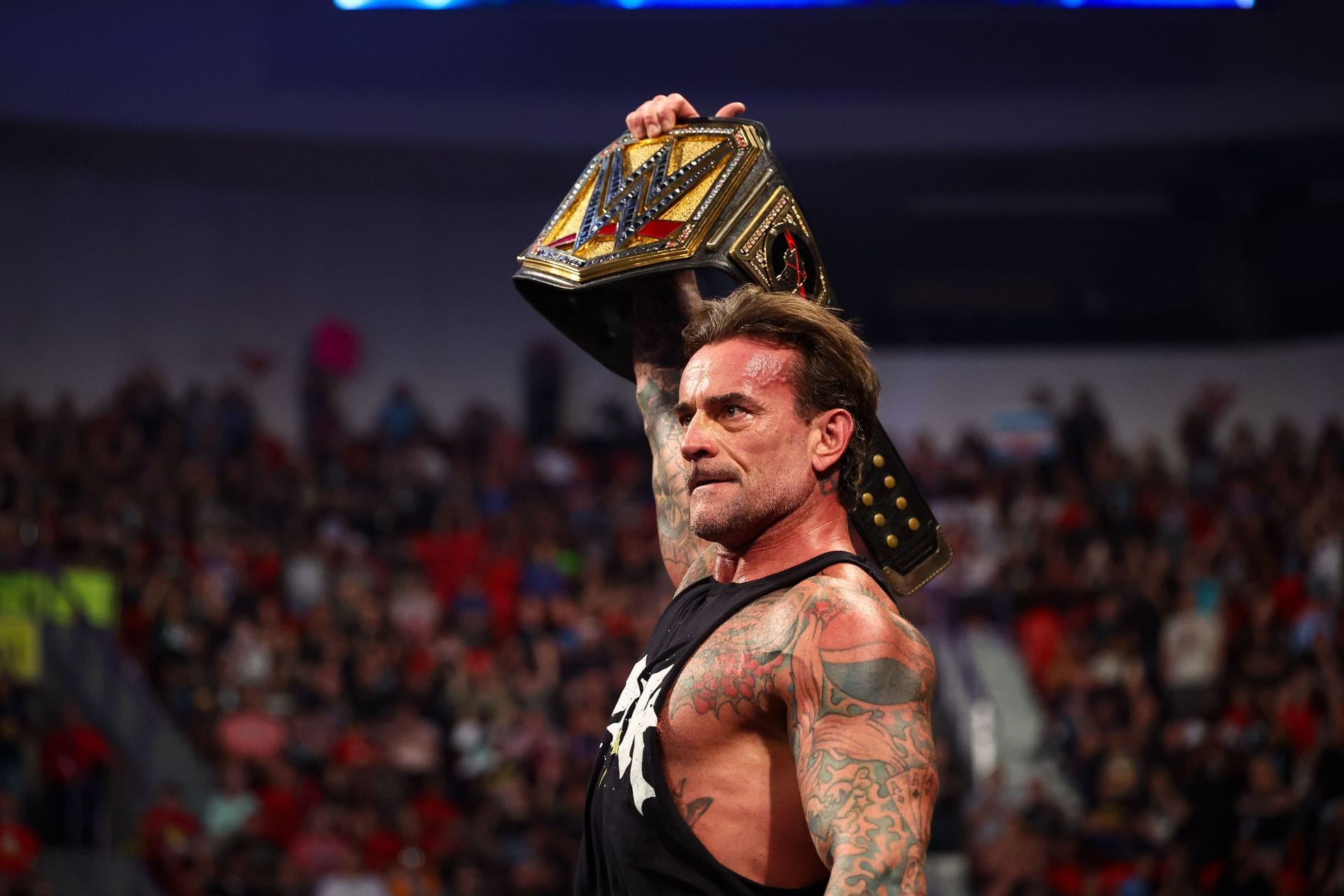
More than ten years after engaging in one of the most widely discussed rivalries in modern professional wrestling, CM Punk has offered a retrospective look at his working relationship and on-screen conflict with Dwayne "The Rock" Johnson. Speaking on his mindset during that period, the veteran performer acknowledged that his personal demeanor and professional approach at the time were defined by heightened hostility and frustration, noting that he was likely more abrasive and angry than necessary during their high-stakes storyline.
Reflections on a high-stakes feud
According to reporting by Shubhajit Deb, the comments shed light on how CM Punk views his past actions during a pivotal era in his career. The feud between the two performers, which unfolded more than a decade ago, stood as a cornerstone of WWE programming at the time, pitting a full-time, championship-holding roster leader against one of the most globally recognized figures in entertainment history.
Reflecting on the interactions that defined the program, CM Punk indicated that his outlook during the rivalry was heavily influenced by his internal disposition at the time. By acknowledging that he operated with an abrasive and angry edge, the wrestler provided insight into the intense pressure and personal investment that characterized his top-tier storyline against Johnson. The rivalry featured extensive verbal exchanges and high-profile matches that required significant coordination, yet the underlying tension was often palpable both on television and behind the scenes.
The dynamics of professional wrestling rivalries
In the world of major-league professional wrestling, rivalries of this magnitude frequently blur the lines between scripted television drama and authentic personal friction. When high-profile talent from different eras collide, the pressure to deliver captivating television often amplifies existing competitive drives. For performers stationed at the top of a national promotion's card, every interview segment, match structure, and public appearance carries immense professional weight.
The matchup between CM Punk and The Rock represented a collision of distinct professional philosophies within the industry. On one side stood a performer who had built his reputation through relentless touring, technical ring work, and unscripted-feeling microphone performances. On the other was a transcendent pop-culture icon whose return to the wrestling ring followed a decade of building a dominant Hollywood career. The contrasting backgrounds of the two athletes naturally created an environment ripe for natural tension, which was subsequently funneled into their televised narrative.
Career evolution and changing perspectives
The willingness of veteran athletes to look back on earlier career conflicts often reflects a broader process of personal and professional maturity. In high-intensity display environments like WWE, younger or mid-career performers often utilize a guarded, adversarial mindset as a mechanism to preserve their standing and protect their on-screen character's credibility.
With the passage of more than ten years, the vantage point of a seasoned industry veteran allows for a more measured evaluation of past conduct. CM Punk's recent self-assessment highlights how time can soften the sharp edges of past professional disputes. What may have felt like vital professional self-preservation or righteous indignation in the heat of a major national television campaign can, decades later, be recognized as unnecessary aggression born out of personal stress or perceived slights.
The legacy of the early 2010s era
The period in which the feud took place remains a critical chapter in the modern history of sports entertainment. During the early 2010s, WWE was navigating a transition between established main-event stalwarts and a new generation of talent demanding larger roles on global broadcasts. High-profile programs involving part-time returning legends frequently sparked debate among wrestling fans, industry analysts, and backstage personnel regarding roster opportunities and main-event positioning.
During this era, live microphone segments—commonly referred to in the industry as "promos"—served as the primary vehicle for driving pay-per-view interest and weekly viewership. The verbal battles between CM Punk and Dwayne Johnson were widely analyzed for their intensity and perceived realism. The raw quality of these segments was driven in part by the authentic conviction of both participants, each striving to dominate the narrative and assert their dominance within the company's hierarchy.
Professional tension and industry culture
Backstage dynamics in professional sports entertainment are uniquely complex, operating under a blend of athletic competition, theatrical cooperation, and commercial ambition. Performers are required to trust one another physically inside the ring while simultaneously competing against each other for limited television time, main-event billing, and financial remuneration.
When real-world frustration intersects with scripted storylines, the resulting product can be uniquely compelling for audiences, though potentially draining for the individuals involved. As reported by Shubhajit Deb, CM Punk's acknowledgement of his angry and abrasive demeanor during his work with Johnson illustrates how deep-seated professional intensity can dictate personal interactions during major promotional pushes. Such candid evaluations provide a rare glimpse into the psychological demands placed on elite sports entertainers during peak moments of their careers.
What comes next for veteran performers
As former rivals move into different phases of their respective careers, retrospectives on classic storylines offer fans and current roster members valuable historical context. Modern professional wrestling places an increasing emphasis on locker-room leadership and mentorship, with veteran performers often using their past missteps or intense rivalries as teaching tools for younger talent entering high-pressure situations.
Both CM Punk and Dwayne Johnson remain central figures within the broader ecosystem of global sports and entertainment, continuing to draw significant public interest whenever they address their shared history. While their multi-year rivalry generated substantial commercial success and memorable television moments, the latest reflections demonstrate that the passage of time often transforms fierce competitive animosity into nuanced professional retrospection.
This article is based on reporting originally published by Shubhajit Deb.
How this story was produced
This report was written by The Global Wire newsroom from reporting first published by Shubhajit Deb. We verify the core facts against the original report, write our own account, and add the background and consequences a short wire item leaves out. Drafting is AI-assisted inside an editor-supervised pipeline, and every story is checked for accuracy of attribution, structure and duplication before it appears — full detail in our AI and funding disclosure.
Spotted an error? Tell us at corrections@horizonglobalnews.com and read our corrections policy or editorial standards.


Reader comments
Loading comments…