

Christopher Bell Claims Seventh-Place Finish at Richmond After Underwhelming Run
NASCAR driver Christopher Bell captured a seventh-place result in the Cook Out 400 at Richmond Raceway while acknowledging his team fell short of winning speed.
By The Global Wire Newsroom · Reported from Palak Gupta
Link preview · horizonglobalnews.com
Christopher Bell Claims Seventh-Place Finish at Richmond After Underwhelming Run
NASCAR driver Christopher Bell captured a seventh-place result in the Cook Out 400 at Richmond Raceway while acknowledging his team fell short of winning speed.
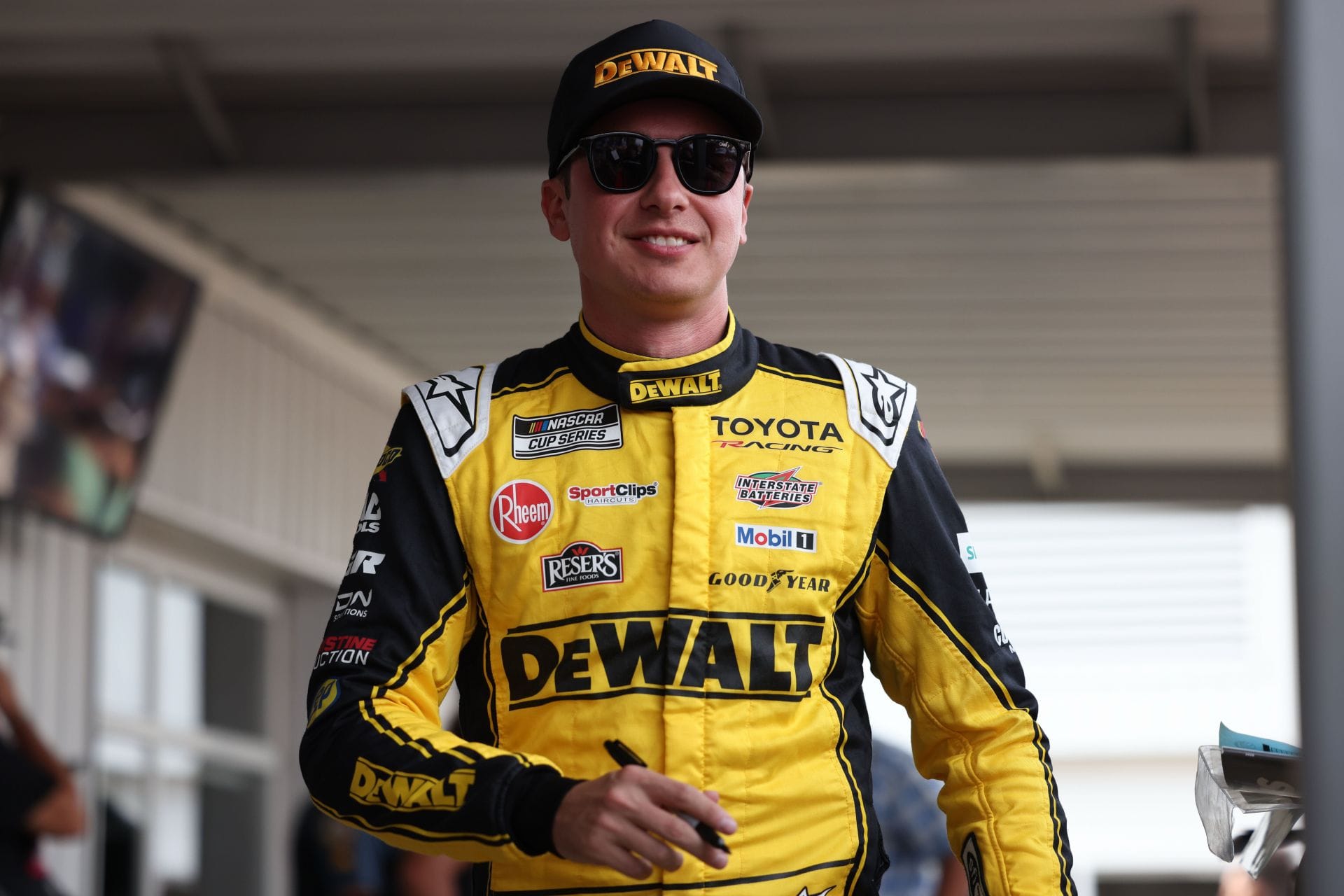
RICHMOND, Va. — Christopher Bell secured a top-10 result in the Cook Out 400 at Richmond Raceway, finishing seventh in a performance that left the driver reflecting on missed opportunities for greater speed.
While a seventh-place finish provides valuable championship points in the NASCAR Cup Series, Bell offered a frank assessment of the afternoon, stating that his car and team performance simply were not sufficient to contend for the victory. The event underscored the fine line in modern stock car racing between maintaining a solid top-ten presence and contending for a trip to victory lane on one of the sport's most demanding short tracks.
Seventh-place outcome at Richmond
The Cook Out 400 presented its traditional mix of strategic pit stops, track position battles, and tire management across the asphalt of Richmond Raceway. Bell remained inside the upper half of the field throughout the running of the event, maneuvering through traffic and working with his pit crew to optimize adjustments during routine cautions and green-flag service stops.
Despite maintaining a position inside the top ten as the final laps wound down, Bell was unable to mount a late-race charge toward the lead positions. Finishing seventh represented a stable result on paper, yet it highlighted the ongoing challenge of closing the gap on the frontrunners during long green-flag runs.
In elite motorsport, top-ten results are often viewed with mixed emotions. While such outcomes preserve consistency in the standings, high-caliber programs prioritize victory above all else, leaving drivers and crew chiefs to dissect areas where speed was lost relative to the race leaders.
Driver evaluation and post-race verdict
In his post-race remarks, Bell was direct regarding the execution and pace of his entry during the Cook Out 400. Reflecting on the overall performance, Bell noted that the effort "just wasn't quite good enough today," as highlighted in reporting by Palak Gupta.
The candid verdict reflects the rigorous expectations surrounding top-tier Cup Series competitors. In an era governed by the Next Gen car platform, where component parity across the field narrows speed differentials, small execution errors or setup miscalculations can prevent a competitive car from challenging for the win. Bell’s critique centered on the reality that while the setup allowed for a respectable finish, it lacked the decisive short-run burst or long-run sustainability required to dominate at Richmond.
Driver feedback following a race plays a crucial role in a team's engineering feedback loop. By acknowledging performance deficits candidly, drivers provide essential direction to crew chiefs and engineers who analyze telemetry, chassis dynamics, and tire wear data in the days following an event.
Dynamics of racing at Richmond Raceway
Richmond Raceway, a 0.75-mile D-shaped asphalt oval, poses a unique set of technical hurdles for Cup Series teams. Known for high tire degradation and abrasive track surfaces, success at the facility requires a delicate balance between mechanical grip and driver restraint.
Tire management is frequently the primary variable in determining race outcomes at Richmond. Drivers who push their equipment too aggressively early in a run risk losing significant lap time as their tires wear down over extended green-flag periods. Conversely, conservative drivers risk losing track position that can prove difficult to regain given the narrow racing groove and continuous traffic.
For Bell, navigating these environmental conditions meant managing handling characteristics that shifted throughout the day as track temperatures fluctuated and rubber laid down on the surface. Adjustments made during pit stops—such as tire pressure modifications, wedge adjustments, and tape changes on the front grille—are designed to counter these changing track conditions, but finding the optimal setup balance remains a persistent challenge for every team in the garage.
Championship points and performance standards
From a broader season perspective, consistent top-ten finishes like Bell's seventh-place effort in Virginia remain vital for accumulating regular season and playoff points. The NASCAR Cup Series format rewards both steady point accumulation and outright wins, making every position inside the top ten valuable over the course of a 36-race schedule.
However, top teams operate under the mandate that winning races is the most direct path to securing a high seed in the postseason playoffs. A seventh-place finish, while constructive for overall points standings, serves as a reminder of the performance threshold required to compete against the sport's pace-setters.
The competitive density of the modern Cup Series field means that teams cannot afford extended lulls in winning speed. As the regular season progresses, the margin for error shrinks, forcing organizations to refine their engineering processes and operational execution at every style of track, from short ovals like Richmond to superspeedways and road courses.
Technical analysis and post-race debriefs
Following the conclusion of the Cook Out 400, Bell and his crew turn their attention to comprehensive post-race debriefs. These sessions involve reviewing lap-by-lap timing data, pit stop execution times, and setup simulation models to identify exact sectors where time was lost to the race leaders.
Engineers evaluate how the chassis responded to adjustments made during the race, comparing driver feedback against simulated predictions generated prior to arriving at the track. This diagnostic process is essential for building a foundation of knowledge for future short-track events on the schedule.
As teams pack up from Richmond and prepare for the upcoming events on the NASCAR calendar, the focus shifts quickly to applying lessons learned on track. For Bell, the seventh-place outcome provides a stable base of points, even as the search continues for the incremental speed necessary to transform solid top-ten runs into victory lane celebrations.
This report relies on original news coverage and post-race reporting published by Palak Gupta.
How this story was produced
This report was written by The Global Wire newsroom from reporting first published by Palak Gupta. We verify the core facts against the original report, write our own account, and add the background and consequences a short wire item leaves out. Drafting is AI-assisted inside an editor-supervised pipeline, and every story is checked for accuracy of attribution, structure and duplication before it appears — full detail in our AI and funding disclosure.
Spotted an error? Tell us at corrections@horizonglobalnews.com and read our corrections policy or editorial standards.




Reader comments
Loading comments…