

Brodie Lee Jr. Emerges as Key Prospect as Second-Generation Wrestling Talent Gains Focus
The young athlete continues to build his career in professional wrestling while honoring his late father's legacy in the ring.
By The Global Wire Newsroom · Reported from Ishan Dubey
Link preview · horizonglobalnews.com
Brodie Lee Jr. Emerges as Key Prospect as Second-Generation Wrestling Talent Gains Focus
The young athlete continues to build his career in professional wrestling while honoring his late father's legacy in the ring.
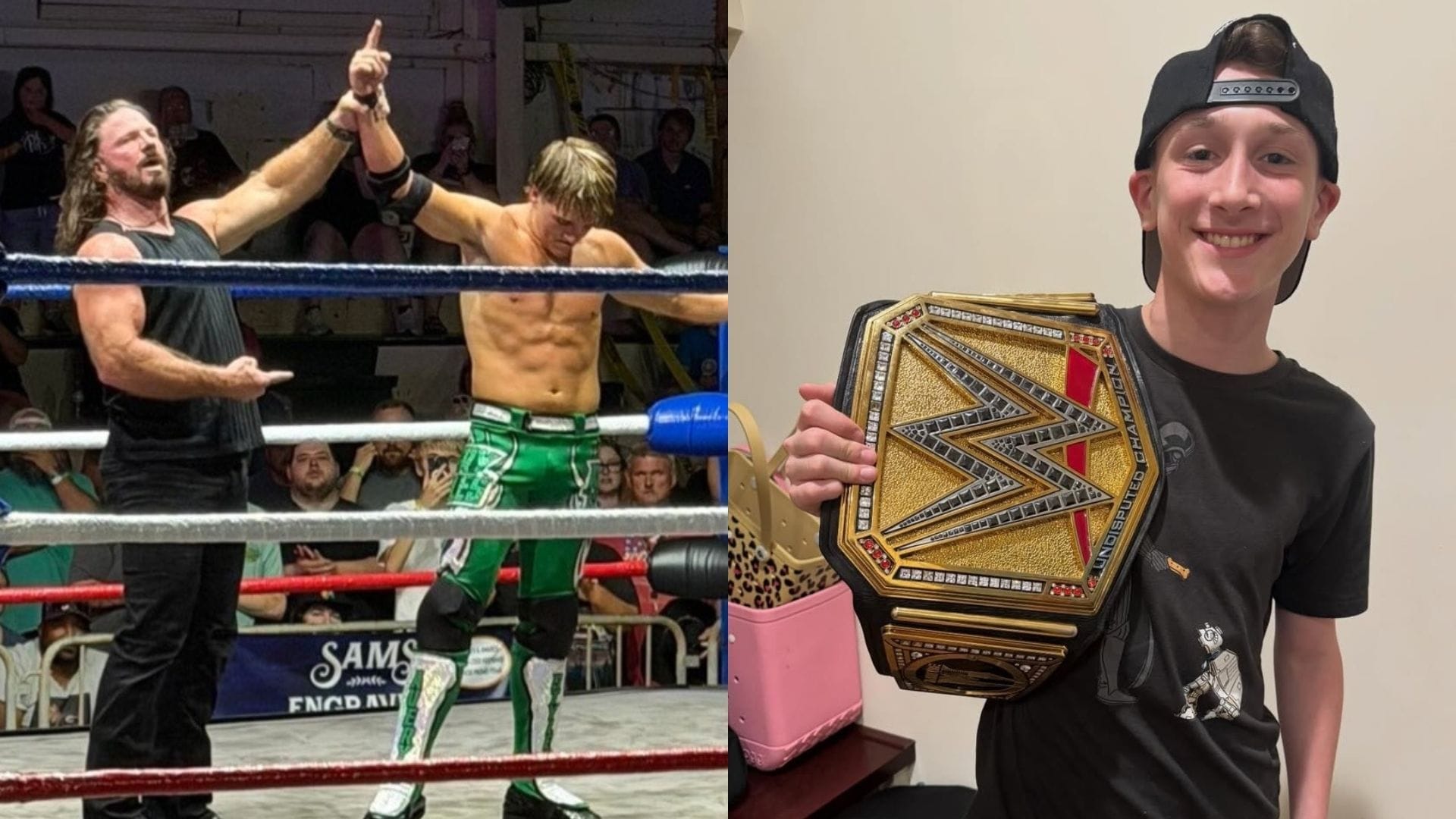
The landscape of professional wrestling is increasingly shaped by a new generation of performers entering the sport with deep family roots. Among the most prominent young figures navigating this path is Brodie Lee Jr., whose rapid ascent within the industry has drawn widespread attention from fans and analysts alike. According to reporting by Ishan Dubey, the young athlete is emerging as one of the fastest rising talents in professional wrestling as he actively works to carry forward the athletic legacy established by his late father.
A Rising Legacy in Professional Wrestling
Brodie Lee Jr. has spent recent years surrounded by the professional wrestling community, earning recognition not only for his lineage but also for his dedication to mastering the discipline. His father, known professionally as Brodie Lee, earned respect across multiple major organizations for his physical style, charisma, and mentorship of younger talent before his death in late 2020.
Following his father's death, the wrestling industry rallied around the younger Huber, offering him a platform to remain connected to the business his father loved. Over time, that connection evolved from a supportive gesture into a genuine athletic pursuit. According to reporting by Ishan Dubey, Brodie Lee Jr. has established himself as a central figure among the sport's prospective talent, demonstrating a commitment to honoring his family name through ring work and professional development.
The Dynamics of Generational Talent
The emergence of second-generation wrestlers is a long-standing tradition within professional wrestling. Families such as the Anoa'i clan, the Harts, and the Flairs have shaped the industry across multiple decades, demonstrating how ring mechanics, promo delivery, and psychological timing are often passed down through familial mentorship.
However, second-generation competitors face distinct challenges compared to their peers. While family history provides immediate visibility and access to top-tier training facilities, it also carries the weight of high public expectations. Observers frequently compare young prospects to their established parents, measuring their early performances against decades of accumulated achievements.
For Brodie Lee Jr., carrying his father's name involves balancing reverence for his father's character and wrestling style with the necessity of crafting his own identity. Industry experts note that successful second-generation performers are those who acknowledge their heritage while gradually introducing personal stylistic elements that resonate with modern audiences.
Cross-Generational Encounters and Training
As part of his ongoing growth within the business, Brodie Lee Jr. has engaged with other emerging talents who share similar trajectories or prospective futures in the sport. As highlighted in coverage by Ishan Dubey, interactions between young figures such as Brodie Lee Jr. and Avery Styles highlight a shifting dynamic in how the next generation of wrestlers connect and train.
In previous eras, young performers typically learned the trade in isolated regional territories or private wrestling academies before meeting prospective rivals on national television. Today, youth prospects often build relationships and shared histories much earlier through organized developmental programs, industry events, and collaborative training environments.
These early interactions allow young athletes to develop in-ring chemistry and mutual understanding years before entering full-time professional competition. By working alongside peers who understand the unique pressures of the business, prospects like Brodie Lee Jr. build foundational skills that serve them as they mature physically and professionally.
Navigating Public Expectations
The path for young athletes entering professional wrestling at an early age requires careful management by promotions, trainers, and family members. Unlike traditional scholastic sports, professional wrestling combines intense physical discipline with theatrical storytelling, live television production, and extensive travel schedules.
Promotions that support young prospects generally emphasize long-term health, educational achievement, and fundamental physical conditioning over immediate ring workload. In the case of Brodie Lee Jr., his involvement in wrestling events has been structured to allow for gradual development while ensuring he receives proper instruction from veteran performers and coaches.
This structured approach helps mitigate the risks of burnout and physical injury, providing a sustainable framework for long-term success. Analysts point out that ensuring a young athlete's well-being is paramount, particularly when public interest is high due to family name recognition.
The Broader Industry Context
The focus on prospects like Brodie Lee Jr. reflects a broader industry trend toward identifying and nurturing talent at earlier stages. Major professional wrestling organizations have increasingly invested in dedicated training facilities, performance centers, and youth developmental initiatives designed to streamline the transition from amateur athletics or family legacy into professional sports entertainment.
This institutional investment ensures that rising stars receive comprehensive instruction covering safety protocols, media relations, character development, and physical conditioning. As a result, modern second-generation athletes often enter the ring with a higher baseline of technical preparation than previous generations.
Furthermore, the global reach of digital media has changed how young talents build their public profiles. Performances, training clips, and personal milestones are shared instantly with international audiences, creating an established fanbase long before an athlete makes a formal full-time debut on major television networks.
Looking Ahead
As Brodie Lee Jr. continues his journey within professional wrestling, his progression will remain a subject of close observation within the industry. His efforts to honor his father's memory while developing his own skill set represent a narrative of resilience and dedication that resonates deeply with wrestling fans worldwide.
While the timeline for his full transition into full-time competition remains tied to his physical growth and personal development, his early presence has already left a distinct mark on the sport. The continued support from industry veterans and peers suggests a strong foundation for his long-term prospects in the ring.
This report is based on original reporting by Ishan Dubey.
How this story was produced
This report was written by The Global Wire newsroom from reporting first published by Ishan Dubey. We verify the core facts against the original report, write our own account, and add the background and consequences a short wire item leaves out. Drafting is AI-assisted inside an editor-supervised pipeline, and every story is checked for accuracy of attribution, structure and duplication before it appears — full detail in our AI and funding disclosure.
Spotted an error? Tell us at corrections@horizonglobalnews.com and read our corrections policy or editorial standards.


Reader comments
Loading comments…