

Brent Crude Surges Past $108 as Houthi Maneuvers Target Key Maritime Energy Corridors
Global oil benchmark Brent crude climbed 12.3 percent in a single week following reports of Houthi efforts to assert control over alternative energy transport routes.
By The Global Wire Newsroom · Reported from Bronwyn Allen
Link preview · horizonglobalnews.com
Brent Crude Surges Past $108 as Houthi Maneuvers Target Key Maritime Energy Corridors
Global oil benchmark Brent crude climbed 12.3 percent in a single week following reports of Houthi efforts to assert control over alternative energy transport routes.
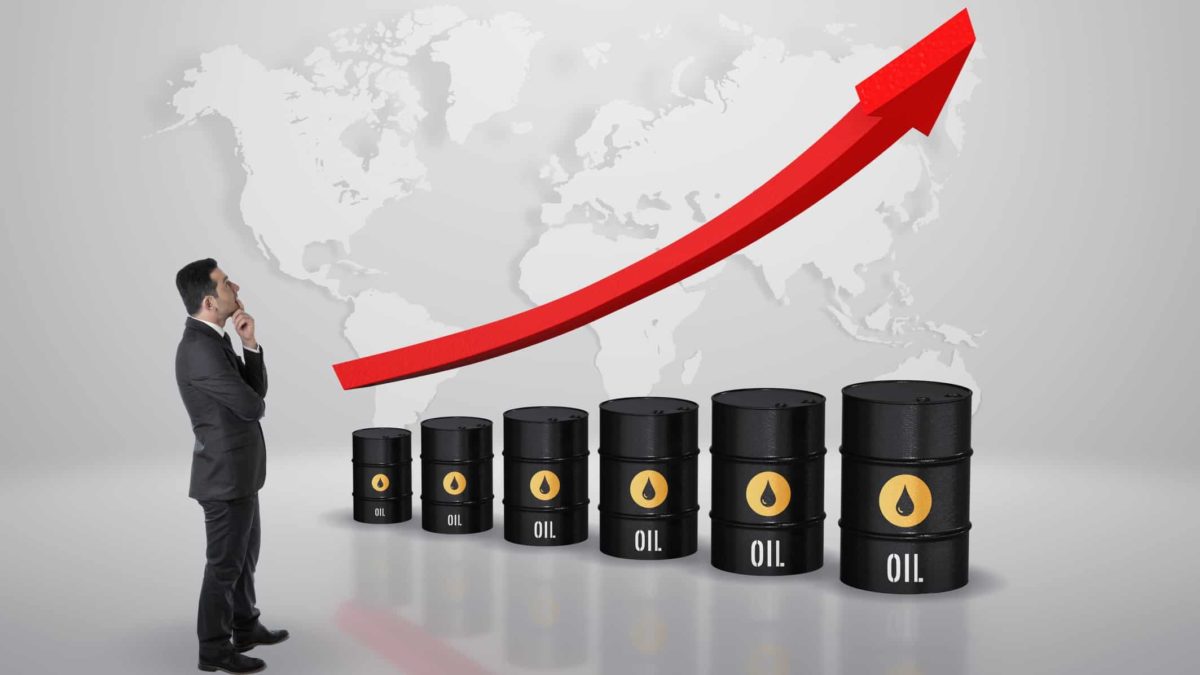
Global benchmark crude oil prices experienced a sharp escalation in early September 2026, driven by mounting fears of supply disruptions in critical Middle Eastern shipping corridors. Brent crude traded at US$108.17 per barrel on Friday afternoon, September 11, 2026, marking a 12.3 percent increase over the preceding seven trading days. The price surge follows reports that the Houthi movement in Yemen has initiated moves to exert influence or control over key alternative energy transit routes, alarming commercial shipping lines, international energy traders, and sovereign import-reliant nations.
Key facts
What happened
Over the course of the first week of September 2026, global petroleum markets experienced an accelerated upward repricing as traders reacted to emerging intelligence regarding Houthi operational moves along critical energy transit pathways. On Friday afternoon, September 11, 2026, Brent crude—the international benchmark pricing standard for two-thirds of the world's internationally traded physical oil—settled at US$108.17 per barrel, rising 12.3 percent from price levels recorded the prior week.
According to reporting by Bronwyn Allen, the market rally was directly catalyzed by news that the Houthi movement, officially known as Ansar Allah, has undertaken efforts aimed at expanding its military reach or operational influence over alternative maritime routes utilized by energy carriers. With traditional shipping lines already taking extensive measures to avoid direct exposure in narrow maritime channels, any threat to secondary or alternative sea routes compounds the operational friction faced by commercial tanker operators.
In energy commodity trading desks across London, Singapore, and New York, market participants adjusted risk premiums upward. The speed of the 12.3 percent rally reflects the sensitivity of global energy pricing to maritime logistics. Oil tankers carrying crude and refined products from Middle Eastern exporters to European, Asian, and American refining hubs face extended transit times, increased chartering rates, and escalating war-risk insurance premiums whenever key choke points or alternative fallback routes face military or insurgent interference.
Why it matters
The rapid escalation of crude prices to US$108.17 per barrel carries direct macroeconomic consequences for energy importers, industrial supply chains, and central banks worldwide. When crude oil trades at elevated triple-digit thresholds, the cost of transportation fuels—including diesel, jet fuel, and gasoline—rises synchronously, exerting immediate upward pressure on headline consumer price indexes globally.
For major oil-importing economies across Europe, South Asia, and East Asia, higher crude prices widen current account deficits and weaken national currencies against the U.S. dollar, in which international petroleum transactions are predominantly denominated. Refiners forced to pay premium prices for crude inputs must either pass those costs along to commercial end-users or face compressed refining margins, which can lead to reduced refinery throughput and localized fuel availability issues.
Furthermore, maritime security threats that target alternative shipping lanes severely limit the flexibility of global logistics networks. When primary corridors like the Bab al-Mandab Strait or Suez Canal are threatened, shipping companies historically reroute vessels around the Cape of Good Hope at the southern tip of Africa. This detour adds approximately 10 to 14 days to sea voyages between the Persian Gulf and Northern Europe, consuming additional bunker fuel and effectively tying up global tanker capacity. If Houthi forces succeed in threatening or establishing control over those alternative corridors or outer bypass routes, the international maritime safety net is compromised, leaving logistics planners with few viable workarounds.
The background
To understand the current volatility in global energy markets, it is necessary to examine the broader historical context of the Houthi movement's involvement in regional maritime conflict and the geopolitical significance of Middle Eastern energy transit zones.
The Houthi movement, an armed political and military group originating in northern Yemen's Saada province, seized control of the Yemeni capital, Sanaa, in September 2014, sparking a prolonged civil conflict against the internationally recognized government. Over the subsequent decade, the group developed advanced missile, drone, and naval warfare capabilities, often utilizing anti-ship cruise missiles, ballistic projectiles, and uncrewed explosive sea craft to target military and commercial vessels in surrounding waters.
Following the outbreak of regional conflict in late 2023, Houthi forces escalated direct maritime attacks against international commercial vessels transiting the Southern Red Sea and the Bab al-Mandab Strait—a narrow waterway separating the Arabian Peninsula from the Horn of Africa through which approximately 12 percent of total seaborne petroleum and 8 percent of global liquefied natural gas (LNG) routinely pass. In response, a U.S.-led multinational naval coalition initiated Operation Prosperity Guardian to protect commercial shipping, accompanied by targeted retaliatory airstrikes on Houthi military installations in western Yemen.
Despite continuous naval patrols and strike operations by Western forces, the Houthis demonstrated an ability to maintain offensive operations, expanding their threat horizon beyond the immediate confines of the Bab al-Mandab into the broader Gulf of Aden, the Arabian Sea, and parts of the Indian Ocean. Energy markets historically priced in a regional geopolitical risk premium during periods of intensified naval warfare. However, a sudden single-week jump of 12.3 percent to $108.17 per barrel signals that market participants perceive a qualitative shift in the group's capacity to disrupt alternative transit corridors that had previously been viewed as safe havens for energy logistics.
Reaction
The rapid increase in Brent crude prices to US$108.17 per barrel is expected to trigger swift policy evaluations from international energy organizations, government regulatory bodies, and maritime commerce associations.
In sovereign capitals, energy ministries and financial regulators are closely monitoring the price shock for potential impacts on inflation forecasts. Officials within major energy-importing nations, including members of the European Union, India, China, and Japan, typically consider emergency policy responses—such as diplomatic pressure, trade adjustments, or potential releases from national strategic petroleum reserves (SPRs)—when oil sustainedly breaches the $100 per barrel mark.
Within international maritime organizations and commercial shipping bodies, such as the Baltic and International Maritime Council (BIMCO) and the International Chamber of Shipping (ICS), industry leaders are evaluating updated security advisories for commercial vessel captains. Shipping lines are anticipating further increases in war-risk insurance premiums levied by underwriters at Lloyd's of London and other major marine insurance syndicates.
Meanwhile, representatives from the Organization of the Petroleum Exporting Countries and its allies (OPEC+) have not announced extraordinary emergency meetings in immediate response to the Friday market close, though key producing nations within the coalition face renewed calls from consuming nations to adjust production quotas to offset potential logistical bottlenecks.
What we don't know yet
Despite the documented 12.3 percent price increase reported by Bronwyn Allen, several critical tactical and operational details remain unconfirmed in public reporting:
What to watch
In the coming days and weeks, market analysts and policy observers should track several key indicators to assess whether the oil rally will sustain or reverse:
This report incorporates original news reporting originally published by Bronwyn Allen.
How this story was produced
This report was written by The Global Wire newsroom from reporting first published by Bronwyn Allen. We verify the core facts against the original report, write our own account, and add the background and consequences a short wire item leaves out. Drafting is AI-assisted inside an editor-supervised pipeline, and every story is checked for accuracy of attribution, structure and duplication before it appears — full detail in our AI and funding disclosure.
Spotted an error? Tell us at corrections@horizonglobalnews.com and read our corrections policy or editorial standards.





Reader comments
Loading comments…