

Apple Music Updates Playlist Management as Spotify Restricts New Releases for Free Users
Apple Music has refined how tracks render across user playlists while Spotify implemented a temporary release window barring free-tier listeners from immediate access to newly published songs.
By The Global Wire Newsroom · Reported from Tom Bedford
Link preview · horizonglobalnews.com
Apple Music Updates Playlist Management as Spotify Restricts New Releases for Free Users
Apple Music has refined how tracks render across user playlists while Spotify implemented a temporary release window barring free-tier listeners from immediate access to newly published songs.
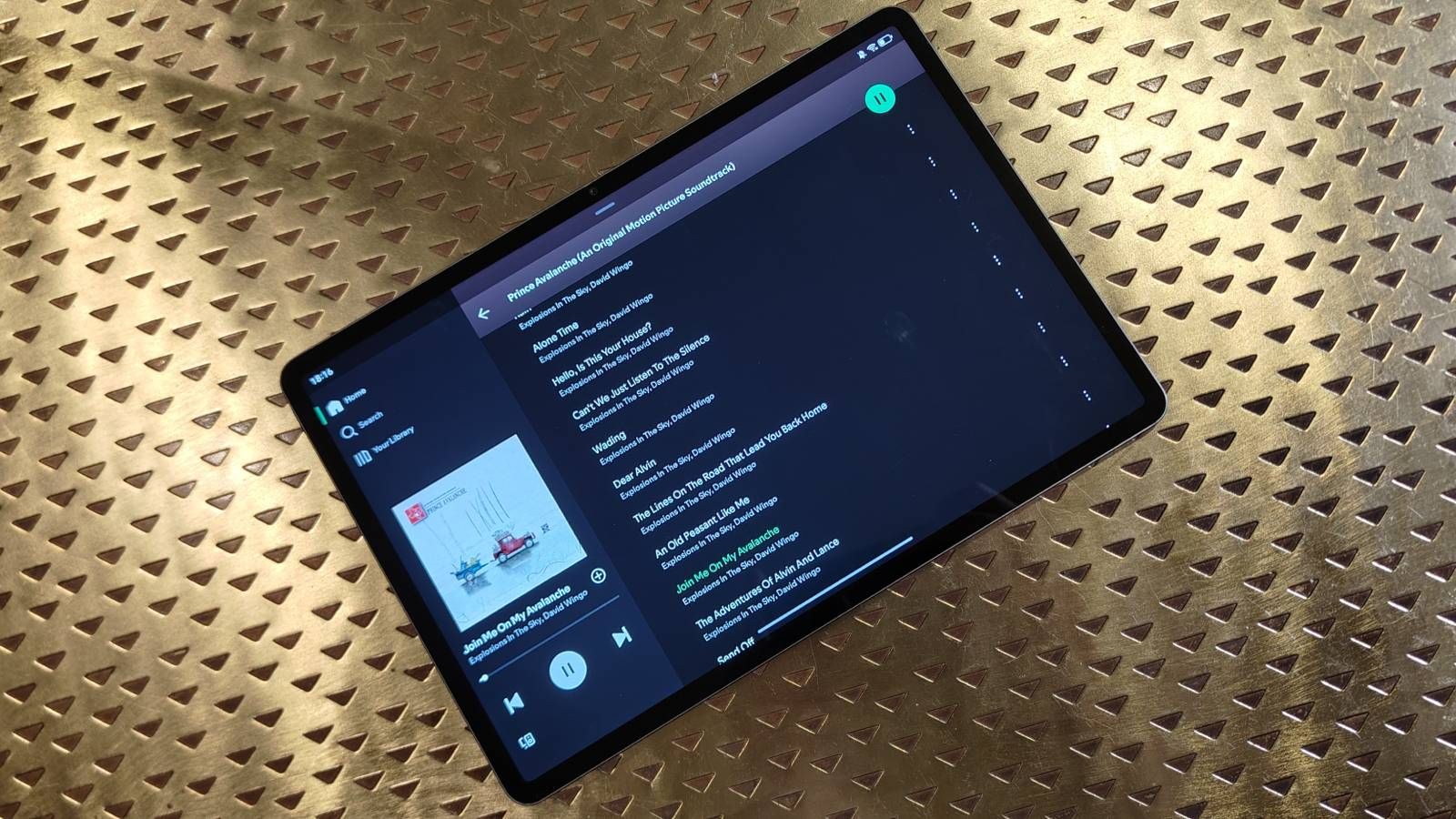
In a notable shift within the digital music streaming sector on September 21, 2026, technology platforms Apple Music and Spotify implemented distinct operational updates altering how subscribers and free users interact with their catalogs, according to reporting by Tom Bedford. Apple Music deployed a system revision modifying how songs appear, update, or disappear within user playlists, addressing a long-standing point of friction regarding library persistence. Concurrently, market rival Spotify instituted a major operational restriction on its free, ad-supported service level, barring non-paying listeners from streaming newly released music tracks for a specified timeframe following their initial launch.
Key facts
What happened
According to reporting by Tom Bedford, the two dominant audio streaming providers enacted contrasting modifications to their user experience structures.
Apple Music addressed a long-running operational issue regarding playlist integrity and track visibility. On cloud-based streaming platforms, when a song is re-uploaded, remastered, re-licensed, or removed by a record label, tracks saved in user playlists frequently vanish, become unplayable, or duplicate without clear notification. Apple Music’s recent modification changes the underlying behavior of how songs are represented and maintained within playlists, aiming to prevent tracks from abruptly disappearing or behaving unpredictably when catalog changes occur.
Simultaneously, Spotify introduced a new restriction targeting its non-paying user base. Under Spotify's established freemium model, users on the free ad-supported tier historically had immediate access to newly released singles and albums, albeit with limitations such as forced shuffle mode on mobile devices and periodic audio advertisements. Under the new policy reported by Bedford, Spotify has established a temporary blackout window for free users on new releases. During this designated period, newly published songs are restricted exclusively to paying Spotify Premium subscribers, requiring free-tier listeners to wait until the restriction window expires before streaming the new material.
Why it matters
The operational changes instituted by both companies carry significant implications for consumers, rights holders, and the broader digital audio marketplace.
For Spotify, the decision to delay access to new releases for non-paying users represents a strategic push to convert its massive ad-supported listener base into paying Premium subscribers. Ad-supported streams generate far less revenue per play than subscription streams. By placing a window of exclusivity on brand-new releases, Spotify creates a tangible incentive for passionate music fans to upgrade to paid subscriptions, particularly during major album release cycles when demand for immediate access peaks. This move aligns Spotify more closely with traditional film and television windowing strategies, where premium paying audiences receive priority access to new content.
For Apple Music, which operates exclusively as a paid subscription service without a permanent free tier, refining playlist management directly targets user satisfaction and retention. Playlist curation is a primary mechanism for user lock-in on streaming platforms; when curated playlists break due to missing or duplicated tracks, user satisfaction declines. By resolving catalog display inconsistencies, Apple reinforces the value of its paid tier.
For artists and record labels, Spotify's windowing mechanism addresses a long-standing grievance regarding freemium payouts. Major record labels have long argued that immediate, unlimited free access to new music devalues digital releases and cannibalizes high-margin subscription royalties.
The background
The structural differences between Apple Music and Spotify stem from their contrasting business models and historical entries into the digital music industry.
Spotify was founded in Stockholm, Sweden, in 2006 by Daniel Ek and Martin Lorentzon, officially launching its service in 2008. From its inception, Spotify championed a freemium framework designed to combat digital piracy by offering legal, free access to music funded by audio and display advertisements. While this strategy enabled rapid global expansion, it created ongoing friction with major record labels—including Universal Music Group, Sony Music Entertainment, and Warner Music Group—as well as independent artist groups. Rights holders routinely argued that ad-supported royalty rates, calculated on a fractional per-stream basis, were insufficient compared to paid subscription revenues. Over the past decade, major labels have repeatedly sought contractual options to restrict or delay new releases on free tiers.
Apple Inc. entered the subscription music streaming market in June 2015 with the launch of Apple Music, following its $3 billion acquisition of Beats Electronics and Beats Music in 2014. Unlike Spotify, Apple intentionally eschewed an ad-supported free tier, opting instead for a pure subscription service supplemented by initial trial offers. Because every active Apple Music user generates subscription revenue, Apple has consistently paid higher average per-stream royalty rates than Spotify's combined free-and-paid average. Consequently, Apple Music’s product updates focus primarily on feature enhancements—such as lossless audio playback, spatial audio mixing, and software integration across the Apple hardware ecosystem—rather than tier differentiation.
From a technical perspective, playlist management across cloud streaming services involves complex catalog databases. Songs are identified by International Standard Recording Codes (ISRCs) and unique platform resource identifiers. When rights holders replace a track file or adjust licensing terms across different geographical jurisdictions, the linked identifier in a user's personal playlist can break, leading to tracks vanishing or becoming unplayable. Managing these catalog transitions seamlessly remains one of the major technical hurdles in cloud media management.
Reaction
Although official corporate statements were not detailed in the original reporting by Tom Bedford, the market and community responses to these structural shifts reflect ongoing debates within the audio streaming industry.
Spotify's implementation of a delayed release window for free-tier users is expected to draw mixed reactions. Free-tier listeners and consumer advocates are likely to criticize the restriction as a degradation of service quality designed to force paid upgrades. Conversely, music industry executives, artist managers, and rights-holder organizations have historically supported windowing measures, viewing them as necessary steps to protect release-week royalty earnings and preserve the commercial value of new music releases.
On the Apple Music side, long-time subscribers and power users who curate extensive libraries have frequently voiced complaints on community forums regarding missing or duplicated tracks in playlists. The resolution of track appearance and disappearance issues is expected to be welcomed by users who rely on stable playlist synchronization across iOS, macOS, and web interfaces.
What we don't know yet
Several critical details regarding these platform updates remain unconfirmed based on the initial reporting by Tom Bedford.
First, the specific duration of Spotify's release window for free-tier users has not been publicly specified. It remains unknown whether the embargo on new music lasts for 24 hours, seven days, two weeks, or varies on a case-by-case basis depending on agreements with individual record labels or distribution partners.
Second, it is unclear whether Spotify's windowing policy applies globally to all new releases on the platform or is restricted to specific high-profile releases, major label catalog drops, or specific geographic regions.
Third, regarding Apple Music's playlist management update, the exact technical implementation remains unexplained. The reporting does not clarify whether Apple Music now automatically re-links broken track identifiers to alternative active versions in its catalog, or whether it has modified the visual interface to clearly display track status changes to users.
What to watch
Moving forward, key indicators will reveal the operational and financial impact of these changes on both streaming giants:
This report is based on original reporting published by technology journalist Tom Bedford on September 21, 2026.
How this story was produced
This report was written by The Global Wire newsroom from reporting first published by Tom Bedford. We verify the core facts against the original report, write our own account, and add the background and consequences a short wire item leaves out. Drafting is AI-assisted inside an editor-supervised pipeline, and every story is checked for accuracy of attribution, structure and duplication before it appears — full detail in our AI and funding disclosure.
Spotted an error? Tell us at corrections@horizonglobalnews.com and read our corrections policy or editorial standards.





Reader comments
Loading comments…