

Abdulla Dayakaev Rejects Split Decision Debate Following Bout With Superlek
Russian Muay Thai striker Abdulla Dayakaev has dismissed lingering debate over his split decision against Superlek, focusing instead on achieving a conclusive finish in a second bout.
By The Global Wire Newsroom · Reported from Ted Razon
Link preview · horizonglobalnews.com
Abdulla Dayakaev Rejects Split Decision Debate Following Bout With Superlek
Russian Muay Thai striker Abdulla Dayakaev has dismissed lingering debate over his split decision against Superlek, focusing instead on achieving a conclusive finish in a second bout.
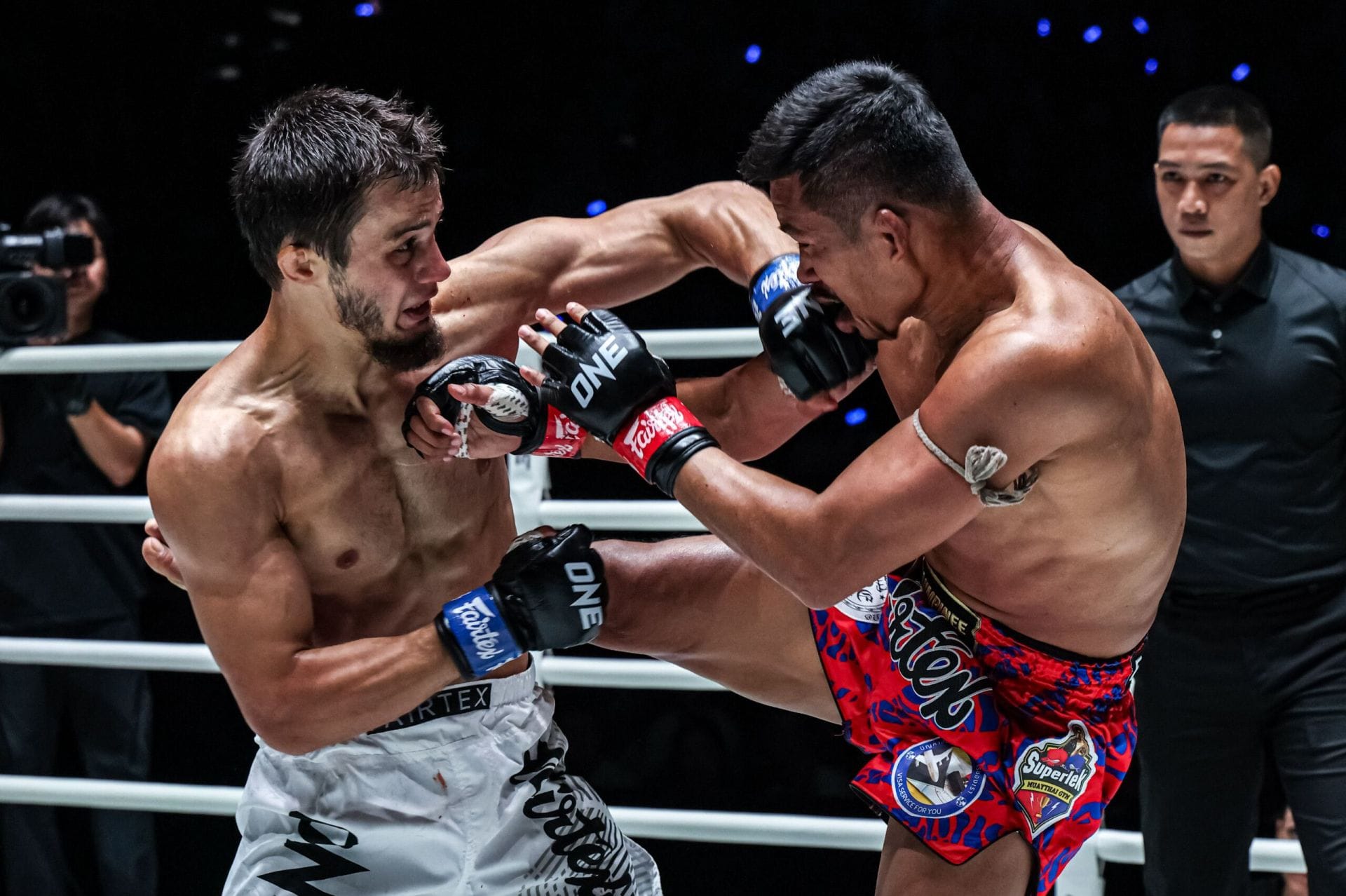
Russian striking specialist Abdulla Dayakaev has firmly rejected ongoing debate regarding his close victory against Superlek, stating that he clearly secured two rounds in their high-profile bantamweight Muay Thai encounter. Rather than engaging in prolonged public discussions about the judges' scorecards, the fighter is directing his attention toward securing a definitive finish in a projected rematch. The stance highlights a common friction point in combat sports, where close decision victories frequently spur intense debate among fans and analysts while competitors look to move forward toward conclusive outcomes.
Dispute over the judges' scorecards
The initial matchup between Dayakaev and Superlek concluded with a split decision, a result that naturally divided observers and sparked debate across the combat sports community. A split decision occurs when two of the three ringside judges score the bout in favor of one competitor, while the third judge awards the victory to the opponent. According to reporting by sports outlet Ted Razon, Dayakaev has maintained a straightforward assessment of the contest, maintaining that his performance earned him two of the rounds on the official scorecards and rendered further debate unnecessary.
By declining to re-examine the precise scoring details of the past fight, Dayakaev has sought to put an end to discussions about whether the judges reached the correct conclusion. In high-level striking disciplines, split decisions often prompt scrutiny regarding how specific scoring criteria were applied by the judging panel. While fans and commentators frequently dissect individual exchanges, striking totals, and damage metrics, fighters themselves often choose to disengage from public debate once an official hand has been raised.
Scoring criteria and fight evaluation
In professional Muay Thai competitions under major global promotional banners such as ONE Championship, bouts are evaluated on a round-by-round basis using standardized criteria. Judges assess candidates based primarily on heavy landing strikes and visible damage, followed by effective aggression, ring control, and overall tactical dominance. Because Muay Thai emphasizes impact and power over pure volume, individual rounds can be exceptionally close when one competitor lands high-impact single strikes while another relies on consistent combinations or positional control.
This scoring framework frequently leads to differing interpretations among observers and official judges. When two elite strikers engage in a tactical or high-velocity contest, subtle differences in how judges weigh damage versus aggression can result in split scorecards. For fighters competing at the contender level, navigating these narrow margins requires balancing aggressive offensive output with defensive responsibility to ensure that round outcomes remain clear to those sitting at ringside.
Focus shifts to a definitive rematch
Rather than dwelling on the controversial outcome of their first meeting, Dayakaev has expressed a clear desire to resolve all lingering questions through a second bout, according to reporting by Ted Razon. The Russian knockout specialist has vowed to deliver a decisive end to the rivalry, aiming to take the final result out of the hands of the judging panel entirely.
In combat sports, rematches following split decisions serve as a standard mechanism for establishing absolute clarity within a division. When an initial contest leaves room for debate, a second meeting allows both athletes to make technical adjustments based on their previous experience sharing the ring. For a fighter known for stoppage capabilities, the objective in a rematch typically centers on creating opportunities for a clean knockout or technical finish, thereby eliminating the possibility of another contentious decision on the scorecards.
Strategic adjustments in high-stakes striking
Preparing for a subsequent rematch requires significant tactical adaptation from both competitors. Having already completed rounds against one another, fighters gain direct insight into their opponent's timing, striking range, power, and defensive tendencies. For a power-striking specialist like Dayakaev, analyzing the first fight involves identifying defensive openings that can be exploited to force a premature stoppage in the second engagement.
Conversely, opponents facing a knockout artist in a rematch often focus on movement, defensive coverage, and neutralizing high-impact attacks to extend the bout into later rounds. The contrasting strategies create a heightened level of anticipation for fans and officials alike, as the second encounter tests whether the victor can validate the original result with a more dominant performance, or if the challenger can reverse the outcome through tactical refinement.
Context within the bantamweight division
The bantamweight Muay Thai landscape in ONE Championship remains among the most competitive divisions in global striking disciplines. Featuring an array of world-class fighters and highly ranked contenders, the division consistently produces high-intensity bouts where minor miscalculations can alter the trajectory of an athlete's career. Close results at the top of the division carry significant implications for rankings, title contention, and future fight bookings.
When top-tier competitors meet, the margins between victory and defeat are often minimal. Split decisions reflect the tight balance of skill at the highest level, where multiple fighters possess the technique and power to compete on equal footing. Consequently, promotional entities and fans frequently demand rematches to establish an undisputed hierarchy among the division's elite ranks.
The mental approach to outcome controversy
For elite martial artists, managing public reaction to controversial decision wins is a fundamental aspect of professional competition. While a split-decision victory counts as an official win on an athlete's record, narrative surrounding the fight can sometimes overshadow the result itself. Athletes who successfully navigate such moments generally adopt a forward-looking mindset, viewing the debate as added motivation to perform more convincingly in subsequent appearances.
Dayakaev's refusal to engage in extended debate over the scorecards reflects a pragmatic approach common among professional fighters. By focusing on his own assessment of having won two rounds and prioritizing a decisive outcome in the next encounter, the fighter seeks to maintain mental clarity while preparing for future challenges inside the circle.
This report is based on original reporting by Ted Razon.
How this story was produced
This report was written by The Global Wire newsroom from reporting first published by Ted Razon. We verify the core facts against the original report, write our own account, and add the background and consequences a short wire item leaves out. Drafting is AI-assisted inside an editor-supervised pipeline, and every story is checked for accuracy of attribution, structure and duplication before it appears — full detail in our AI and funding disclosure.
Spotted an error? Tell us at corrections@horizonglobalnews.com and read our corrections policy or editorial standards.


Reader comments
Loading comments…