

Understanding Adult Acne: Clinical Drivers, Psychological Impacts, and Evolving Treatments
Educational reporting highlights the biological mechanisms, professional impacts, and medical treatments for acne persisting into adulthood.
By The Global Wire Newsroom · Reported from Adithi Ramakrishnan
Link preview · horizonglobalnews.com
Understanding Adult Acne: Clinical Drivers, Psychological Impacts, and Evolving Treatments
Educational reporting highlights the biological mechanisms, professional impacts, and medical treatments for acne persisting into adulthood.
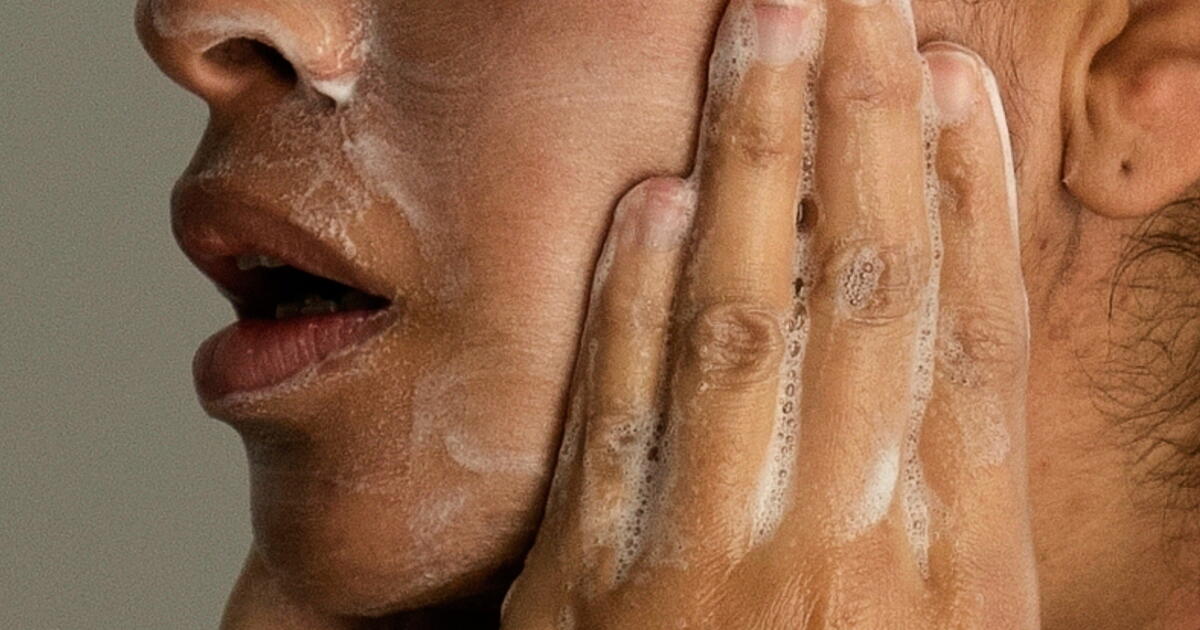
On Oct. 12, 2026, reporting by journalist Adithi Ramakrishnan, syndicated by Japan Today, illuminated the widespread yet frequently misunderstood phenomenon of adult acne, highlighting how dermatological breakouts continue to affect individuals well into their professional lives. The report brought attention to personal experiences such as that of Gillian Maegan Montalbo, whose minor adolescent blemishes on her forehead and nose evolved into more troubling skin issues after she joined the adult workforce. While public perceptions often frame pimples as a temporary rite of passage confined to teenage puberty, medical evidence confirms that adult acne is a distinct cutaneous condition requiring targeted clinical management strategies, hormonal evaluations, and tailored therapeutic interventions.
Key facts
What happened
According to reporting published by Adithi Ramakrishnan and carried by Japan Today, many adults discover that skin which remained largely clear during adolescence can unexpectedly deteriorate in adulthood. In the profile of Gillian Maegan Montalbo, her teenage experience with acne was relatively mild, limited to isolated bumps across her forehead and nose. However, after entering the workforce, Montalbo experienced more pronounced and persistent breakouts, a pattern shared by millions of working adults worldwide.
The progression reported in such cases reflects a broader clinical trend observed across dermatological practices. Patients frequently express surprise when acne manifests or worsens during their 20s, 30s, or 40s, having operated under the common assumption that cutaneous oil production and follicular blockages diminish after high school. Instead, many individuals encounter adult-onset acne or persistent adolescent acne that shifts in both anatomical distribution and physical presentation.
Dermatological evaluations described in clinical literature emphasize that adult breakouts frequently do not respond to simple over-the-counter wash regimens designed for adolescent skin. Adults seeking medical care often present with painful sub-surface nodules along the lower facial region. The journey to effective management typically involves multi-step diagnostic consultations, during which board-certified dermatologists review medical histories, medication side effects, occupational stress levels, dietary patterns, and underlying endocrine factors before formulating customized topical or systemic treatment plans.
Why it matters
The persistence and adult onset of acne vulgaris carry profound psychological, operational, and economic consequences that extend far beyond cosmetic appearance. Unlike teenagers who navigate acne alongside secondary school peers where skin blemishes are widely normalized, adults often report heightened social isolation and professional self-consciousness. Clinical research published across psychiatric and dermatological literature demonstrates that adults living with visible facial skin conditions experience elevated rates of major depressive disorder, generalized anxiety disorder, and social avoidance behavior. In professional settings, individuals report that facial inflammation negatively impacts their confidence during job interviews, client presentations, and daily workplace interactions.
From an economic perspective, adult acne drives substantial individual expenditures and commercial healthcare activity. Consumers allocate significant financial resources annually toward over-the-counter cosmetic treatments, specialized cleansers, barrier-repair serums, and professional cosmetic procedures such as chemical peels, laser resurfacing, and microneedling. Furthermore, non-prescription products frequently fail to resolve deep-seated inflammatory or hormonal lesions, prompting patients to seek specialist care from medical dermatologists, which involves insurance copays, diagnostic lab testing, and prescription drug costs.
On a public health level, improper self-treatment of adult acne with harsh physical scrubs or unverified remedies frequently leads to secondary cutaneous complications, including post-inflammatory hyperpigmentation, permanent ice-pick or boxcar scarring, and a compromised skin barrier. The condition also places a demand on healthcare systems to educate patients regarding antibiotic stewardship, as prolonged reliance on oral antibiotics for acne control can foster microbial resistance within cutaneous microflora and broader community environments.
The background
Understanding adult acne requires examining the biological and physiological mechanisms governing human skin. Acne vulgaris is fundamentally a chronic inflammatory disorder of the pilosebaceous unit, which comprises hair follicles and their associated sebaceous oil glands. During puberty, surges in circulating androgenic hormones stimulate sebaceous glands to produce excess sebum. When mixed with shed keratinocyte skin cells, this sebum plugs the pore opening, creating a microcomedone. Anaerobic bacteria, primarily Cutibacterium acnes (formerly known as Propionibacterium acnes), proliferate within this oxygen-deprived environment, triggering localized immune responses that manifest as red papules, pustules, or deep cystic nodules.
While teenage acne is primarily driven by the hormonal fluctuations of puberty and typically concentrates in the T-zone (forehead, nose, and central face), adult acne follows distinct demographic and biological pathways. Established medical literature from the American Academy of Dermatology indicates that adult female acne is significantly more prevalent than adult male acne, affecting an estimated 45 to 50 percent of women in their 20s, 35 percent in their 30s, and over 25 percent in their 40s.
In adult women, hormonal fluctuations associated with menstrual cycles, pregnancy, perimenopause, polycystic ovary syndrome, or the discontinuation of oral contraceptives can trigger androgen receptor hyper-responsiveness. Additionally, modern occupational stress activates the hypothalamic-pituitary-adrenal axis, inducing adrenal glands to release cortisol and neuroendocrine mediators that directly stimulate sebaceous gland activity and systemic inflammation. Lifestyle variables, including high-glycemic diets that elevate insulin-like growth factor 1, hyper-comedogenic cosmetic products, and prolonged wear of protective masks or tight headwear, also contribute to pore occlusion and cutaneous barrier degradation.
Reaction
Dermatologists and medical professionals have increasingly emphasized the importance of destigmatizing adult acne and steering patients away from aggressive, drying treatments designed for adolescent skin. Clinical experts routinely caution that adult skin possesses lower cellular turnover rates and lower natural lipid content than teenage skin, making it far more susceptible to irritation, contact dermatitis, and barrier breakdown when subjected to harsh physical exfoliants or excessive drying agents.
Patient support groups and dermatological advocacy organizations have welcomed broader media coverage of adult breakouts, noting that public awareness helps counter the widespread misperception that acne reflects poor hygiene or dietary negligence. Advocacy groups emphasize that patients should consult licensed healthcare providers rather than relying on unverified trends promoted across social media platforms, which often advocate expensive, unregulated cosmetic regimens lacking clinical validation.
Furthermore, regulatory agencies and clinical advisory bodies continue to evaluate the safety profiles of prescription treatments. Medical societies regularly issue updated guidelines regarding monitoring requirements for systemic therapies, emphasizing safe prescribing protocols for teratogenic medications such as oral isotretinoin while encouraging targeted hormonal therapies like spironolactone for female patients presenting with resistant lower-face inflammatory lesions.
What we don't know yet
Despite extensive clinical research into acne vulgaris, several critical scientific and epidemiological questions remain unanswered. Researchers do not yet fully understand why specific individuals develop late-onset adult acne after experiencing clear skin during adolescence, while others transition seamlessly from teenage breakouts into permanent remission. The precise genetic variations and epigenetic triggers that determine an individual's specific cutaneous sensitivity to circulating androgenic hormones remain under active investigation.
Additionally, the exact relationship between modern environmental exposures and adult skin health requires further empirical investigation. While preliminary studies suggest that urban micro-particulates, heavy metal pollution, and environmental contaminants may exacerbate oxidative stress within cutaneous lipids, definitive longitudinal data connecting atmospheric pollutants to adult acne incidence are incomplete. There is also ongoing debate within the medical community regarding the exact degree to which dietary factors—such as dairy consumption and high-glycemic foods—causally drive lesion development versus acting as secondary aggravating factors in genetically predisposed individuals.
What to watch
In the coming months and years, key developments in dermatological research and regulatory policy will shape how adult acne is diagnosed and managed. Medical researchers are monitoring phase 3 clinical trials testing novel non-steroidal, non-antibiotic topical therapies designed to selectively modulate sebum composition and target skin microbiome pathways without disrupting the overall cutaneous barrier.
Observers are also tracking upcoming clinical practice guidelines from major professional organizations, such as the American Academy of Dermatology and the European Academy of Dermatology and Venereology. These updated recommendations are expected to address evolving protocols for antibiotic stewardship, long-term maintenance protocols using topical retinoids, and expanded usage indications for anti-androgen agents. Additionally, public health authorities continue to monitor compliance and safety protocols surrounding risk evaluation and mitigation strategies for oral isotretinoin prescribing.
This report incorporates news details and clinical context based on reporting by Adithi Ramakrishnan and coverage provided by Japan Today.
How this story was produced
This report was written by The Global Wire newsroom from reporting first published by Adithi Ramakrishnan. We verify the core facts against the original report, write our own account, and add the background and consequences a short wire item leaves out. Drafting is AI-assisted inside an editor-supervised pipeline, and every story is checked for accuracy of attribution, structure and duplication before it appears — full detail in our AI and funding disclosure.
Spotted an error? Tell us at corrections@horizonglobalnews.com and read our corrections policy or editorial standards.


Reader comments
Loading comments…