

South Africa: Witness 'Preggy' Padayachee Laid to Rest Following Fatal R21 Highway Shooting
'Preggy' Padayachee was buried after a fatal ambush on Ekurhuleni's R21 freeway, days before he was set to testify in a case involving an individual named Khan.
By The Global Wire Newsroom · Reported from Faizel Patel
Link preview · horizonglobalnews.com
South Africa: Witness 'Preggy' Padayachee Laid to Rest Following Fatal R21 Highway Shooting
'Preggy' Padayachee was buried after a fatal ambush on Ekurhuleni's R21 freeway, days before he was set to testify in a case involving an individual named Khan.
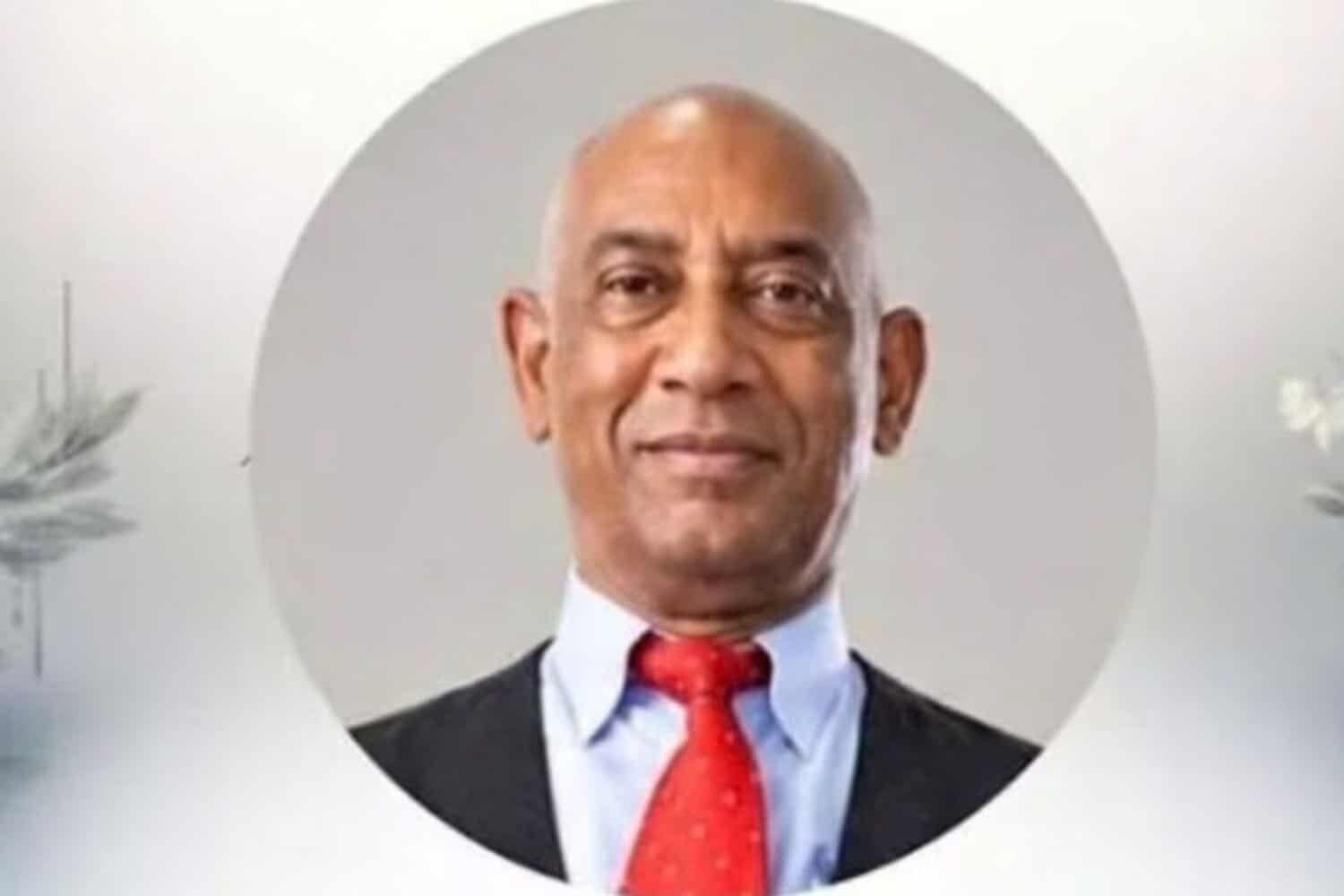
A man identified as 'Preggy' Padayachee was laid to rest in early October 2026 following a fatal shooting along the R21 highway in Ekurhuleni, Gauteng province. The lethal attack occurred mere days before Padayachee was scheduled to present official testimony in a matter involving an individual named Khan. According to reporting by The Citizen, the circumstances surrounding the highway ambush have generated intense scrutiny regarding witness protection, public safety along major transit routes, and the potential disruption of legal proceedings. Law enforcement authorities in Gauteng have initiated a homicide investigation into the shooting, which took place along one of the busiest arterial corridors connecting Tshwane and Johannesburg.
Key facts
What happened
According to reporting by The Citizen, Padayachee was traveling along the R21 highway in the Ekurhuleni area when assailants opened fire, inflicting fatal gunshot wounds. The R21 freeway serves as a vital arterial route in Gauteng province, running past O.R. Tambo International Airport and connecting the metropolitan municipalities of Ekurhuleni, Tshwane, and the broader Johannesburg region.
The timing of the shooting has emerged as a central element of the case. Padayachee was expected to appear as a key witness to give evidence in a legal proceeding involving a person named Khan within days of the attack. The ambush effectively prevented his appearance and testimony. Following the fatal incident, family members, friends, and associates gathered to lay Padayachee to rest, amid growing public concern and mounting demands for answers regarding the identities and motives of the gunmen.
Freeway ambushes in the Gauteng economic zone present significant tactical challenges for law enforcement agencies. Major thoroughfares such as the R21 feature multiple off-ramps, high traffic density during peak hours, and immediate access to secondary suburban networks, allowing perpetrators to execute targeted attacks and rapidly evacuate the scene before highway patrol units or municipal traffic police can intercept them.
Why it matters
The killing of a witness prior to delivering testimony in a legal proceeding carries severe implications for the administration of justice and public confidence in South Africa's legal system. When individuals scheduled to provide evidence in formal matters are targeted, ongoing proceedings risk being stalled, compromised, or collapsed due to the irreversible loss of primary testimony.
Such acts of violent intimidation also create a wider chilling effect across the legal landscape. Potential witnesses in criminal prosecutions, commercial disputes, or state inquiries may become increasingly reluctant to cooperate with law enforcement agencies or appear before judicial bodies if they perceive that safety cannot be guaranteed. This dynamic directly threatens efforts to combat corruption, organized crime, and complex financial fraud.
Furthermore, high-profile violent crimes occurring on major infrastructure networks like the R21 impact public safety perceptions in Gauteng, the industrial and commercial heartland of South Africa. The R21 corridor handles substantial daily commuter volume, freight transport, and international travel traffic to and from O.R. Tambo International Airport. Violent incidents along this route heighten pressure on regional authorities to enhance highway monitoring, increase mobile patrols, and deploy advanced surveillance technologies to safeguard critical transport arteries.
The background
Targeted killings and witness intimidation have long posed complex challenges for law enforcement and legal institutions in South Africa. Over recent decades, high-profile investigations—ranging from political governance inquiries and municipal corruption trials to violent crime and taxi industry disputes—have frequently highlighted the extreme vulnerabilities faced by whistleblowers and state witnesses.
In South Africa, official witness security is governed by the Witness Protection Act 112 of 1998. The statute established the Office for Witness Protection within the National Prosecuting Authority (NPA). Under this legislative framework, witness protection services are voluntary and require a formal application process, risk assessment, and legal agreement. The program is designed to provide temporary relocation, identity protection, and physical security for individuals whose lives are determined to be at serious risk as a result of their involvement in criminal or civil proceedings.
Despite the existence of the statutory framework, civil society groups, legal practitioners, and whistleblower advocacy networks have periodically criticized the operational capacity and responsiveness of the protection system. Challenges often include bureaucratic delays in conducting threat assessments, limited budgetary resources, and the difficulty of providing full protection to individuals who have not yet been formally enrolled in the program prior to a court appearance.
Geographically, the Ekurhuleni Metropolitan Municipality, which encompasses major industrial hubs such as Boksburg, Kempton Park, and Germiston, features an extensive web of national and provincial freeways, including the N1, N3, N12, and R21. The vast expanse of this highway infrastructure makes continuous physical policing difficult, requiring coordination between the South African Police Service (SAPS) and the Ekurhuleni Metro Police Department (EMPD).
Reaction
Reporting by The Citizen indicates that Padayachee's funeral was held amid growing public and legal questions regarding the circumstances of his death. Demands for a thorough investigation have intensified among community members and observers concerned about the safety of individuals testifying in judicial matters.
Formal updates are anticipated from the Gauteng provincial leadership of the South African Police Service as specialized homicide investigators proceed with forensic analyses, ballistic examinations, and witness interviews. Legal representatives involved in the proceedings related to the Khan testimony are also expected to address the court or tribunal regarding the evidentiary impact of Padayachee's absence.
Civil society groups focused on legal accountability and human rights regularly monitor such cases, frequently calling on the Ministry of Police and the Department of Justice and Constitutional Development to strengthen protective protocols for key witnesses and ensure that perpetrators of targeted assassinations are swiftly brought to justice.
What we don't know yet
Several critical aspects of the fatal shooting remain unresolved in the public domain:
What to watch
In the coming days and weeks, key developments will shape the course of this case:
This report is based on original reporting published by Faizel Patel for The Citizen.
How this story was produced
This report was written by The Global Wire newsroom from reporting first published by Faizel Patel. We verify the core facts against the original report, write our own account, and add the background and consequences a short wire item leaves out. Drafting is AI-assisted inside an editor-supervised pipeline, and every story is checked for accuracy of attribution, structure and duplication before it appears — full detail in our AI and funding disclosure.
Spotted an error? Tell us at corrections@horizonglobalnews.com and read our corrections policy or editorial standards.






Reader comments
Loading comments…