

Solihull Mother Demands Postnatal Care Reform Following Scan Error and Sepsis Ordeal
A mother in Solihull is calling for systemic improvements in UK postnatal healthcare after a diagnostic scan error led to a perforated bowel and life-threatening sepsis.
By The Global Wire Newsroom · Reported from Oprah Flash
Link preview · horizonglobalnews.com
Solihull Mother Demands Postnatal Care Reform Following Scan Error and Sepsis Ordeal
A mother in Solihull is calling for systemic improvements in UK postnatal healthcare after a diagnostic scan error led to a perforated bowel and life-threatening sepsis.
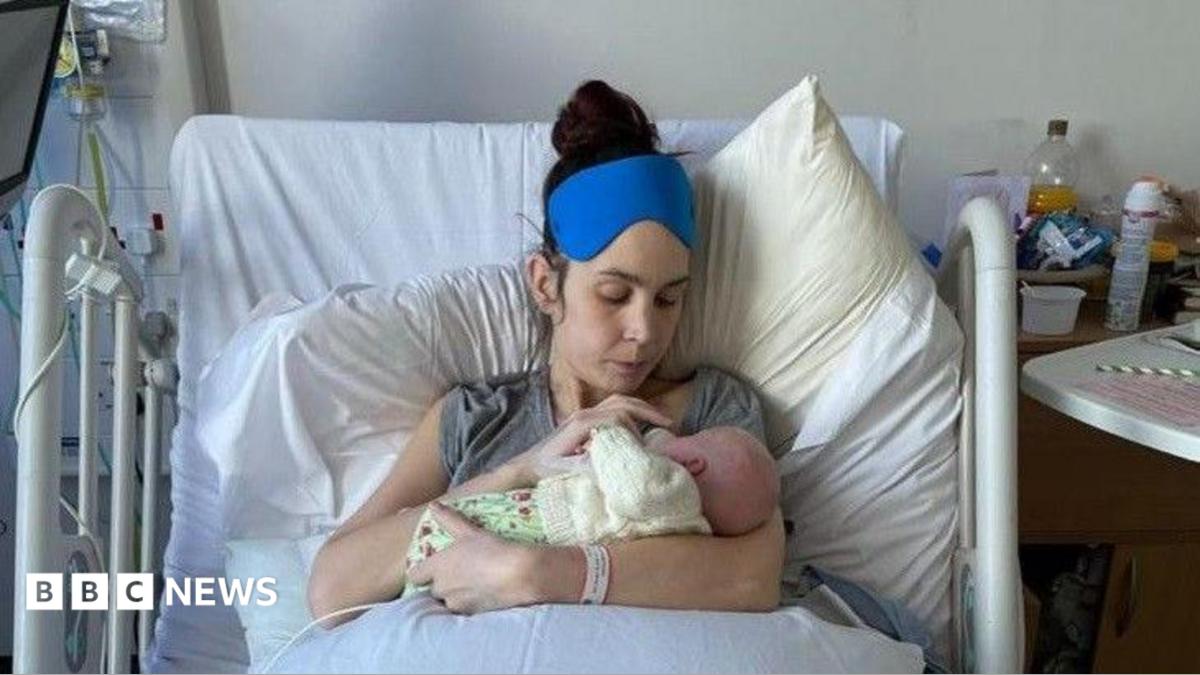
A mother residing in Solihull, West Midlands, has issued an urgent call for systemic reforms to UK postnatal healthcare after a diagnostic scan error failed to detect a perforated bowel, precipitating life-threatening sepsis, according to reporting published on August 26, 2026, by Oprah Flash. The incident has drawn renewed attention to postnatal diagnostic safety standards and clinical vigilance for maternal complications within the National Health Service framework.
Key facts
What happened
According to reporting by Oprah Flash, a mother located in Solihull suffered severe medical complications after an error occurred during diagnostic scan procedures. The diagnostic evaluation failed to correctly identify or prevent a perforation within the patient's intestinal tract following childbirth.
A bowel perforation involves a tear or hole through the wall of the small or large intestine. When structural integrity is breached, digestive matter and bacteria leak directly into the abdominal cavity, causing acute peritonitis and triggering systemic inflammatory response syndrome, widely known as sepsis. Sepsis rapidly impairs blood flow to vital organs and can lead to multi-organ failure or death if emergency medical management, including intravenous antibiotics and surgical repair, is delayed.
Following medical treatment to control the sepsis and repair the internal injury, the patient publicly highlighted her experience to push for fundamental improvements in postnatal care. She emphasized that healthcare providers must exercise greater diagnostic precision and maintain heightened vigilance when monitoring women in the days and weeks after labor.
The available reporting does not detail the exact radiology modality utilized—such as ultrasound, computed tomography (CT), or magnetic resonance imaging (MRI)—nor does it specify the precise date of the scanning procedure or the specific hospital facility involved in her care.
Why it matters
The case highlights critical vulnerabilities at the intersection of postnatal maternal care and emergency diagnostic medicine within the National Health Service (NHS). Postnatal complications, particularly those involving internal abdominal trauma or post-surgical infection, require rapid identification to prevent catastrophic clinical outcomes.
Sepsis remains one of the primary contributors to maternal morbidity and mortality worldwide. In the United Kingdom, severe maternal infection demands adherence to rapid diagnostic pathways often referred to as the "Sepsis Six" bundle, which mandates oxygen administration, blood cultures, intravenous antibiotics, fluid resuscitation, lactate measurement, and urine output monitoring within one hour of suspected diagnosis. When diagnostic imaging errors delay the recognition of an underlying source of infection—such as a perforated intestine—the time window for effective medical intervention shrinks significantly.
Beyond immediate clinical risks, severe postnatal complications impose lasting physical and psychological burdens on mothers and their families. Survivors of maternal sepsis frequently experience post-sepsis syndrome, characterized by chronic fatigue, muscle weakness, post-traumatic stress disorder (PTSD), and cognitive impairment. Furthermore, prolonged hospitalization separates mothers from their newborn infants during crucial early bonding periods.
From an administrative and financial perspective, diagnostic errors and delayed medical management contribute substantially to NHS clinical negligence litigation. According to data published by NHS Resolution, clinical negligence liabilities stemming from maternity and surgical care constitute a significant portion of annual healthcare expenditures in England. Systemic improvements in scanning protocols and diagnostic oversight are essential not only for safeguarding patient safety but also for reducing preventable financial strain on publicly funded health systems.
The background
Postnatal care in England is governed by national clinical standards designed to ensure that physical, emotional, and psychological recovery after childbirth is systematically monitored. The National Institute for Health and Care Excellence (NICE) sets national evidence-based guidelines, including NICE Guideline NG194 on postnatal care and NG51 on sepsis recognition, diagnosis, and early management. These frameworks mandate that healthcare professionals evaluate maternal vital signs, wound healing, abdominal pain, and general physical well-being during home visits and clinical appointments following delivery.
In the West Midlands region, NHS hospital trusts deliver secondary and tertiary care, including acute diagnostic radiology and specialized maternity services. Facilities operating under regional management, such as University Hospitals Birmingham NHS Foundation Trust—which manages Solihull Hospital, Heartlands Hospital, Good Hope Hospital, and Queen Elizabeth Hospital Birmingham—are responsible for administering diagnostic imaging protocols under national clinical governance frameworks.
The safety of UK maternal services is continuously monitored by national audit bodies, most notably MBRRACE-UK (Mothers and Babies: Reducing Risk through Audits and Confidential Enquiries across the UK). MBRRACE-UK conducts comprehensive confidential enquiries into maternal deaths and severe morbidities across England, Wales, Scotland, and Northern Ireland. Reports published by MBRRACE-UK have repeatedly highlighted diagnostic delays, poor communication between clinical departments, and failure to escalate abnormal vital signs as recurring factors in severe maternal outcomes.
The Royal College of Radiologists (RCR) and the Royal College of Obstetricians and Gynaecologists (RCOG) publish professional guidelines detailing the appropriate application and interpretation of diagnostic imaging in pregnant and postpartum patients. Despite these standardized protocols, clinical workload pressures, staffing shortages, and diagnostic complexity continue to present operational challenges for radiology and maternity departments across the NHS system.
Reaction
Following her medical recovery, the Solihull mother publicly urged healthcare authorities to implement comprehensive enhancements in postnatal maternal monitoring and diagnostic accuracy, as reported by Oprah Flash. Her call to action focuses on ensuring that postpartum symptoms presented by mothers are thoroughly investigated and that diagnostic scans are interpreted with rigorous accuracy.
While formal responses from local NHS trust officials or specific clinical bodies regarding this individual case have not been made public in the initial reporting, established healthcare procedures dictate that acute medical failures trigger internal patient safety reviews. In NHS England facilities, adverse events involving severe harm are subjected to formal investigations under the Patient Safety Incident Response Framework (PSIRF).
Patient support organisations, including the UK Sepsis Trust and the Birth Trauma Association, regularly advocate for systemic reform in response to reported diagnostic oversights. These organizations frequently call for standardized maternal sepsis training for all healthcare personnel, improved patient access to post-discharge advisory services, and strict compliance with statutory Duty of Candour regulations, which legally require NHS trusts to inform patients fully and candidly when healthcare errors occur during their care.
What we don't know yet
Several specific facts regarding this incident remain unconfirmed due to limitations in the initial public reporting by Oprah Flash.
First, the exact healthcare facility where the scan error occurred has not been named, leaving it unverified whether the event transpired at Solihull Hospital, another facility within University Hospitals Birmingham NHS Foundation Trust, or a neighboring NHS trust in the West Midlands.
Second, the technical details of the scan error remain unspecified. It is not currently known whether the incident involved a failure of interpretation by a radiologist or sonographer, a failure to perform a timely follow-up scan, or a physical complication resulting from an invasive diagnostic procedure.
Third, the timeline of the patient's care—including the date of delivery, the onset of symptoms, the exact date of the diagnostic scan, and the duration of her hospital stay for sepsis management—has not been publicly disclosed.
Finally, it remains unknown whether a formal complaint, an independent investigation by the Healthcare Services Safety Investigation Body (HSSIB), or legal proceedings for clinical negligence have been formally initiated.
What to watch
Key developments to monitor following this disclosure include:
1. NHS Safety Review: Observers will monitor whether the relevant NHS foundation trust in the West Midlands initiates a formal Patient Safety Incident Response Framework (PSIRF) investigation and whether any summary findings regarding scan protocols are published.
2. Diagnostic Guidance Updates: Potential statements or policy guidance from professional bodies such as the Royal College of Radiologists or Royal College of Obstetricians and Gynaecologists regarding postnatal abdominal imaging procedures.
3. Parliamentary and Health Ombudsman Filings: Any formal escalation of the case to oversight entities, including the Care Quality Commission (CQC) or the Parliamentary and Health Service Ombudsman (PHSO), should local trust complaint procedures be pursued.
4. National Maternal Safety Reports: The integration of data concerning postnatal diagnostic failures into upcoming annual surveillance reports published by MBRRACE-UK.
This report is based on original news reporting published by Oprah Flash on August 26, 2026.
How this story was produced
This report was written by The Global Wire newsroom from reporting first published by Oprah Flash. We verify the core facts against the original report, write our own account, and add the background and consequences a short wire item leaves out. Drafting is AI-assisted inside an editor-supervised pipeline, and every story is checked for accuracy of attribution, structure and duplication before it appears — full detail in our AI and funding disclosure.
Spotted an error? Tell us at corrections@horizonglobalnews.com and read our corrections policy or editorial standards.


Reader comments
Loading comments…