

Skeletal Study Shows Ancient Greek Colonists Breastfed Infants for Nearly Four Years
Analysis of 2,500-year-old remains indicates infants in an ancient settlement received supplementary foods starting at three months alongside extended nursing.
By The Global Wire Newsroom · Reported from Maria Mocerino
Link preview · horizonglobalnews.com
Skeletal Study Shows Ancient Greek Colonists Breastfed Infants for Nearly Four Years
Analysis of 2,500-year-old remains indicates infants in an ancient settlement received supplementary foods starting at three months alongside extended nursing.
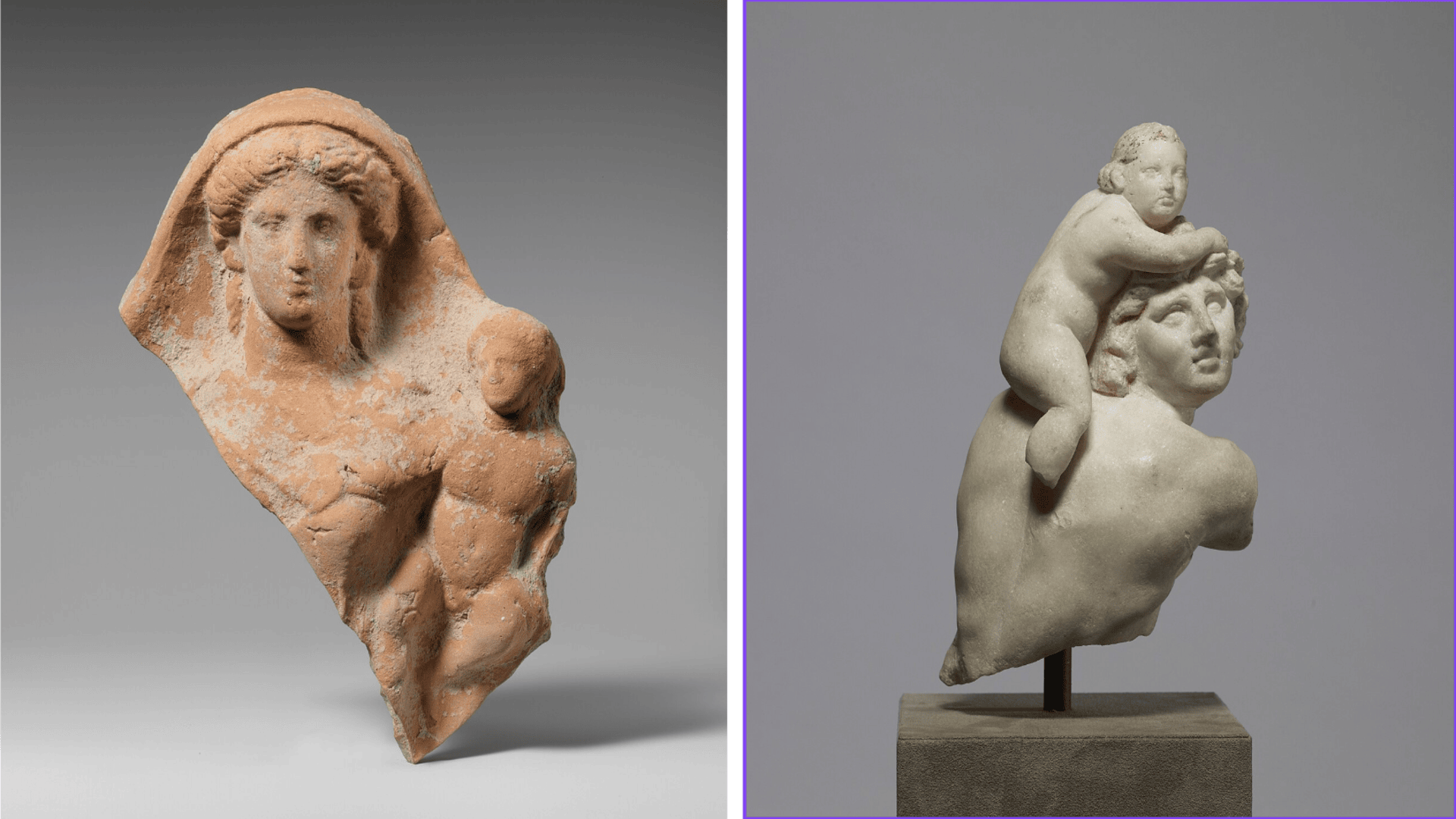
Archaeological analysis of 2,500-year-old human skeletal remains recovered from an ancient Greek colonial settlement has uncovered new evidence regarding infant care in antiquity, showing that mothers introduced supplementary foods to infants as early as three months of age while continuing to nurse them for up to four years. The findings, reported by journalist Maria Mocerino, offer a rare, empirical look into early childhood nutrition and maternal healthcare practices during the Classical and Archaic periods of Mediterranean history, challenging long-standing assumptions about the duration of nursing and the timeline of weaning in colonial frontier communities.
Key facts
What happened
Bioarchaeologists examining 2,500-year-old skeletal material from a Greek colonial site have reconstructed the feeding trajectories of infants through physical remains, according to reporting by Maria Mocerino. By examining juvenile skeletal tissues, researchers were able to track the biochemical markers that record the shift from exclusive breastfeeding to the introduction of supplementary sustenance, and ultimately to full nutritional independence.
The data revealed a distinct two-phase feeding regime. At approximately three months following birth, infants began to receive supplementary foods, initiating the weaning process far earlier than modern health organizations recommend for exclusive breastfeeding. However, rather than marking an abrupt end to nursing, this early dietary transition represented the start of an extended period of mixed feeding. Maternal nursing persisted as a significant dietary component until the children approached four years of age.
This pattern reflects a prolonged dual-track nutritional strategy. In antiquity, the total cessation of breastfeeding was a gradual process that spanned several years, providing young children with ongoing immunologic and caloric support even as they were introduced to local cereals, animal milks, or broths suited to early infant digestion.
Why it matters
The study offers significant insight into the lived realities of women and children in ancient colonial environments, where high infant mortality rates and the demands of frontier settlement shaped domestic life. Historically, knowledge of ancient Greek medical and domestic practices has relied heavily on surviving elite literary texts, such as the writings of Hippocrates or later treatises by Roman-era physicians like Soranus of Ephesus. These written sources, often authored by elite men centuries apart, do not always reflect the daily practices of working households or distant colonial outposts.
Demonstrating that supplementary feeding began at three months while nursing continued for nearly four years helps historians and bioarchaeologists understand how colonial populations balanced child survival against labor demands. Early introduction of weaning foods permitted mothers to share infant-care responsibilities and return to agricultural, household, or craft production, which was vital for establishing newly founded settlements across the Mediterranean basin. Concurrently, maintaining breastfeeding until age four offered continuous hydration, high-quality protein, and passive immunity against waterborne pathogens and digestive ailments—factors that historically caused extensive mortality among newly weaned infants. For modern epidemiologists and anthropologists, these findings illustrate the historical adaptability of human infant feeding strategies under precarious health and sanitation conditions.
The background
During the eighth through fifth centuries BCE, Greek city-states undertook a massive maritime expansion, founding hundreds of agricultural and trade colonies across the Mediterranean and Black Sea coastlines, from modern-day Italy and France to Ukraine, Turkey, and North Africa. Colonists established permanent settlements, navigating novel ecological settings, interaction with indigenous populations, and the physical stresses of building new civic centers. Understanding how these communities maintained their populations across successive generations remains a foundational question in Mediterranean archaeology.
In modern bioarchaeology, the study of infant feeding relies primarily on stable isotope analysis, particularly examining ratios of nitrogen (nitrogen-15 to nitrogen-14) and carbon (carbon-13 to carbon-12) preserved in bone collagen and tooth enamel. Because nursing infants occupy a higher trophic level than their mothers—effectively consuming maternal tissue via breast milk—their bones exhibit elevated nitrogen-15 values relative to adult females. When an infant begins consuming supplementary foods derived from plants or terrestrial animals, this trophic signal gradually declines. Tooth enamel and incremental dentine micro-layers preserve chronological snapshots of these dietary shifts during specific months of tooth development, allowing researchers to date both the introduction of supplementary foods and the final cessation of breast milk with high precision.
Historical documents from the ancient Mediterranean provide varied recommendations regarding infant care. Soranus, writing in the second century CE, advised against giving newborns solid food too early, recommending exclusive breastfeeding until teeth began to erupt around seven months, followed by semi-solid foods such as bread softened in hydromel or milk. Soranus suggested weaning should be completed by approximately eighteen months to two years of age. The new biological data from the 2,500-year-old colonial settlement reveal a distinct departure from such textual prescriptions: solid or semi-liquid foods were introduced four months earlier than Soranus recommended, yet lactation was maintained for roughly twice as long as Roman-era medical handbooks advised.
Reaction
The findings reported by Maria Mocerino are expected to generate discussion across classical archaeology, anthropology, and paleopathology departments, where researchers routinely compare textual evidence against isotopic data. Bioarchaeologists studying ancient nutrition and mortality typically evaluate such data at specialized academic gatherings, such as the annual meetings of the Paleopathology Association and the Archaeological Institute of America.
Academic discussion will likely center on the environmental context of the colonial settlement. In particular, scholars will look to determine whether extended nursing until age four represented a widespread cultural norm brought from mainland Greek city-states, or a specific adaptive survival mechanism developed in response to higher local pathogen loads, endemic malaria, or unstable food supplies in colonial territories. Public health historians may also examine how these ancient patterns parallel non-industrial infant feeding regimes documented in twentieth-century ethnographic studies across developing regions.
What we don't know yet
Several critical elements of the study remain unaddressed in the available reporting. The precise geographic location and official archaeological name of the Greek colony have not been specified, leaving open whether the settlement was situated in Magna Graecia (southern Italy and Sicily), the northern Aegean, the Black Sea littoral, or the western Mediterranean. The exact sample size of skeletal specimens examined is also unstated, which makes it impossible to determine whether the three-month to four-year timeline reflects a colony-wide demographic standard or the profile of a small burial cluster.
Additionally, the reporting does not detail the composition of the supplementary foods introduced at the three-month mark. Identifying whether the infants received ruminant milk—such as goat or sheep milk—cereals, watered wine, or animal broths requires secondary lipid residue analysis from ceramic feeding vessels or specific carbon isotope profiles. Finally, the published account does not indicate the survival rates of the individual children studied: because juvenile bones represent individuals who died during childhood, researchers must constantly address the "osteological paradox," determining whether these infant remains reflect normal feeding practices or anomalous care given to sickly infants who succumbed early.
What to watch
Future developments will depend on the formal publication of the underlying peer-reviewed study in specialized bioarchaeological journals such as the International Journal of Osteoarchaeology, the Journal of Archaeological Science, or the American Journal of Biological Anthropology. Readers and researchers should monitor forthcoming academic journal releases for the identification of the specific excavation site, the demographic composition of the cemetery, and the statistical margins of error associated with the isotopic dating of the dentine layers.
Scholars will also look for complementary chemical analysis, including proteomic or lipid residue testing on ceramic "spouted vessels" (often referred to as guttus vessels) recovered from contemporary infant graves at the site, which could definitively identify the exact ingredients used for three-month-old supplementary feedings. Comparative studies analyzing infant remains from mainland Greek settlements dating to the same period will further clarify whether frontier colonies maintained distinct infant healthcare practices compared to established metropolises such as Athens or Corinth.
This article incorporates reporting originally published by Maria Mocerino.
How this story was produced
This report was written by The Global Wire newsroom from reporting first published by Maria Mocerino. We verify the core facts against the original report, write our own account, and add the background and consequences a short wire item leaves out. Drafting is AI-assisted inside an editor-supervised pipeline, and every story is checked for accuracy of attribution, structure and duplication before it appears — full detail in our AI and funding disclosure.
Spotted an error? Tell us at corrections@horizonglobalnews.com and read our corrections policy or editorial standards.





Reader comments
Loading comments…