

Rental Car Phone Syncing Exposes Driver Contacts and Personal Data, Engadget Reports
Connecting smartphones to rental vehicle infotainment systems leaves stored contacts, call logs, and location data accessible to future drivers unless manually cleared.
By The Global Wire Newsroom · Reported from Kari Paul
Link preview · horizonglobalnews.com
Rental Car Phone Syncing Exposes Driver Contacts and Personal Data, Engadget Reports
Connecting smartphones to rental vehicle infotainment systems leaves stored contacts, call logs, and location data accessible to future drivers unless manually cleared.
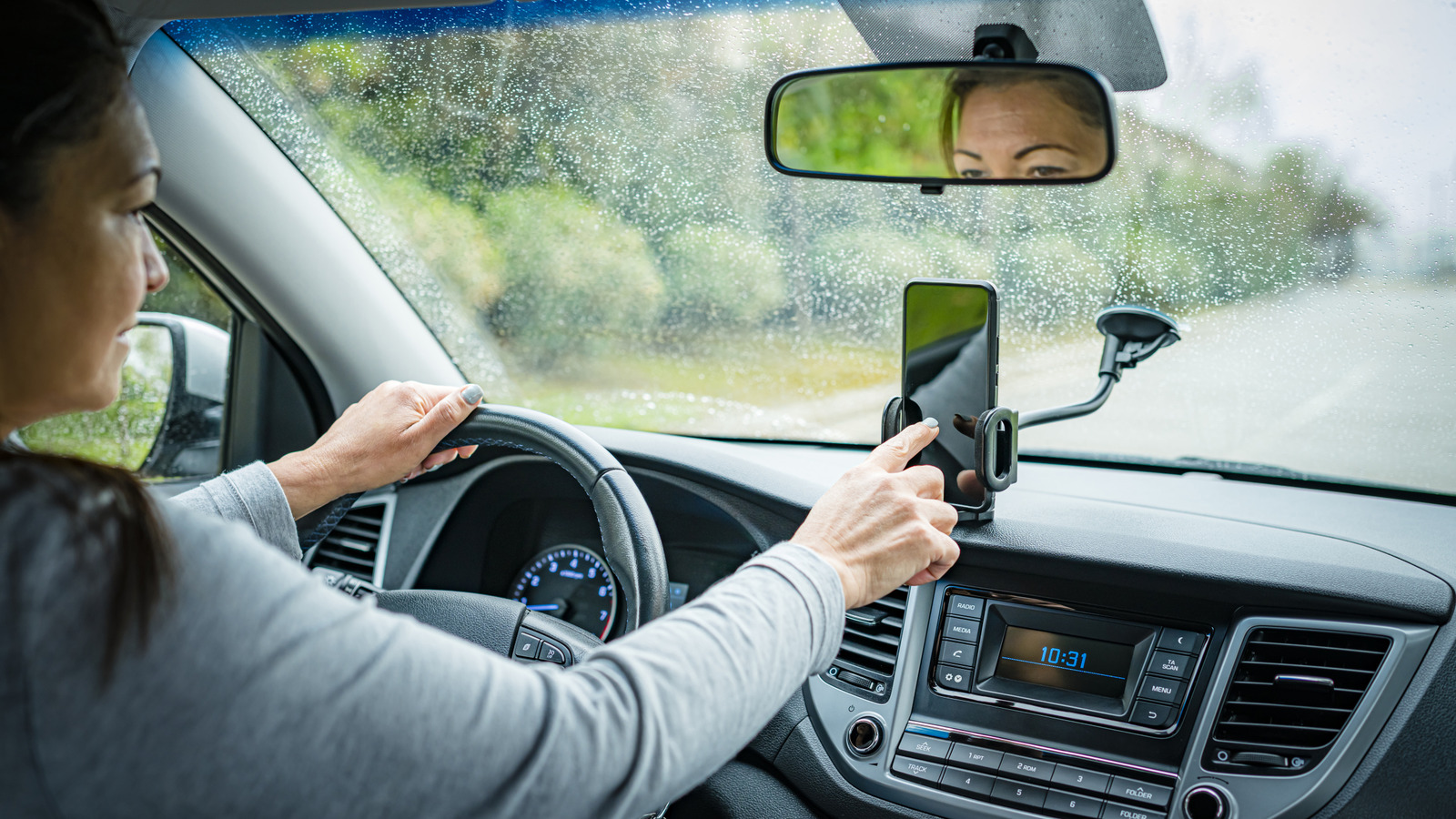
On October 4, 2026, technology news publication Engadget detailed a widespread consumer privacy risk involving smartphone synchronization with rental vehicle infotainment systems. According to reporting by journalist Kari Paul, drivers who pair their personal devices with rental cars via Bluetooth or physical cables risk leaving personal contact directories, call logs, text message records, and location data permanently stored on the vehicles' internal computers. Without explicit manual intervention by the user to erase paired device profiles prior to returning the keys, these sensitive records remain accessible to future renters, fleet maintenance technicians, and car agency employees.
Key facts
What happened
The widespread adoption of digital infotainment head units in modern passenger vehicles has made mobile phone integration seamless, but it has also created a systemic data retention issue across the vehicle rental industry. When a driver enters a rental car and pairs a smartphone—whether to use hands-free voice calling, access satellite navigation, or stream audio—the vehicle's operating system requests permission to access the mobile device's stored data profiles.
Under standard wireless communications protocols, including the Bluetooth Phone Book Access Profile (PBAP) and Message Access Profile (MAP), the car's computer automatically requests and downloads the smartphone's address book, recent incoming and outgoing call records, and text message feeds. As reported by Engadget, this sync process frequently occurs automatically in the background as soon as an initial connection is confirmed by the driver.
The fundamental issue lies in how vehicle head units handle this imported information. Unlike web browsers that offer ephemeral "incognito" browsing modes or public computers that wipe user profiles upon logging out, automobile infotainment systems save imported databases directly onto non-volatile flash memory chips located within the dashboard architecture. This stored information persists indefinitely, enduring through engine power-downs, battery disconnects, and subsequent vehicle restarts.
According to the reporting by Engadget, many rental customers operate under the mistaken assumption that disconnecting Bluetooth, turning off the car, or unplugging a USB cable automatically deletes their personal data from the dashboard screen. In practice, the vehicle maintains the paired profile, complete with the device's assigned name, imported contact directory, call history, and recent navigation destinations, until a user manually executes a device deletion or factory software reset through the system settings.
Because rental vehicles change drivers dozens of times per year, un-cleared infotainment systems aggregate multi-user databases of contact cards and location markers over time. Any subsequent occupant who sits in the vehicle can browse through the dashboard menus to view full names, phone numbers, personal email addresses, and recent physical locations recorded by previous drivers.
Why it matters
The exposure of unencrypted personal data in rental vehicles carries direct security, privacy, and regulatory implications for individual consumers and corporate travelers alike. At an individual level, leaving an address book in a shared vehicle gives unknown parties access to personal contacts, family phone numbers, emergency contact details, and home addresses. Malicious actors who obtain access to these contact lists can execute targeted spear-phishing attacks, impersonate trusted acquaintances, or conduct identity theft using aggregated personal metadata.
For corporate employees traveling for business, the risks extend to enterprise security and proprietary confidentiality. Business travelers routinely connect company-issued smartphones to rental cars during business trips. When these devices sync, confidential client phone numbers, executive contact details, internal meeting schedules, and sensitive client office locations are copied to the vehicle's local storage. This creates severe vulnerability under global data protection frameworks, such as the European Union's General Data Protection Regulation (GDPR) and the California Consumer Privacy Act (CCPA), both of which impose strict compliance obligations regarding the safeguard and unauthorized disclosure of personally identifiable information.
Beyond contact lists, vehicle navigation systems store detailed geographic footprints. Rental cars frequently retain recent search queries, designated home addresses, favorited locations, and historical GPS tracks. When paired with stored contact records, this spatial data allows third parties to reconstruct a driver's daily routines, professional visits, medical appointments, or lodging locations.
Furthermore, the secondary market for used fleet vehicles presents long-term data exposure. Rental car companies routinely sell older vehicles at auction after several years of service. If infotainment systems are not systematically sanitized before fleet disposal, entire historical archives of driver data can be transferred to private buyers, commercial buyers, or scrap salvage yards.
The background
The technological evolution of automobile dashboards over the past two decades transformed cars from basic transport vehicles into connected computing hubs. Beginning in the late 2000s and accelerating throughout the 2010s, auto manufacturers introduced digital head units equipped with proprietary operating systems, touchscreen displays, and wireless connectivity. These features were accelerated by hands-free driving legislation enacted across numerous jurisdictions, which penalized manual phone usage behind the wheel and incentivized direct phone-to-car integration.
To make hands-free calling functional and user-friendly, vehicle manufacturers designed infotainment systems to pull mobile contacts directly into the dashboard display, allowing drivers to dial contacts via voice commands or steering wheel controls. However, software architecture in early and current connected cars prioritized seamless reconnectivity over isolated user privacy. Automotive head units were built under the assumption that a vehicle would primarily be owned and operated by a single household, rather than shared among dozens of short-term renters.
In the commercial car rental sector, major global operators such as Hertz, Avis Budget Group, and Enterprise Mobility manage thousands of rental locations and millions of vehicles across North America, Europe, and Asia. Rental car turnaround procedures are optimized for operational speed, focusing on mechanical safety inspections, interior sanitation, refueling, and rapid fleet redeployment. Wiping infotainment systems requires navigating diverse menu layouts across dozens of different auto manufacturers, model years, and software versions, making manual digital resets time-consuming for turnaround staff.
Regulators have noted these vulnerabilities for years. The United States Federal Trade Commission (FTC) issued public guidance as early as 2016 advising consumers to clear their personal data from rental car systems before returning vehicles. Non-profit privacy organizations and automotive cyber-security research groups have also repeatedly highlighted infotainment storage risks. Despite these warnings, standard commercial rental contracts typically place full responsibility for personal data removal onto the consumer, treating stored digital files similarly to physical belongings left behind in the glove compartment or trunk.
Reaction
The findings detailed in Engadget's reporting reflect ongoing calls from consumer protection advocates and cybersecurity researchers for systemic reform in automotive software design and fleet management operations. Privacy advocacy groups argue that the automotive industry has failed to implement basic data protection principles, such as automatic session termination or guest modes, which are standard in almost all other shared digital interfaces.
Automotive security experts recommend that rental agencies adopt automated diagnostic tools or standardized checklists at return drop-offs to ensure digital profiles are wiped alongside physical cleaning. Meanwhile, privacy legal specialists emphasize that as data protection enforcement tightens globally, corporate fleet operators may face increasing pressure to formalize data sanitization procedures rather than disclaiming liability in rental terms and conditions.
In response to consumer concerns, major mobile operating system developers have introduced limited settings that allow users to restrict data sharing during Bluetooth pairing. For instance, smartphone users can manually disable "Sync Contacts" permissions within individual device Bluetooth settings when connecting to unfamiliar vehicles. However, tech experts note that many consumers remain unaware of these options, leading to widespread unintentional data exposure.
What we don't know yet
Despite growing awareness of automotive data privacy, several key operational and technical questions remain unanswered:
What to watch
Several critical developments will shape how connected car privacy and rental data retention are addressed in the near future:
This report is based on original reporting published by Kari Paul for Engadget on October 4, 2026.
How this story was produced
This report was written by The Global Wire newsroom from reporting first published by Kari Paul. We verify the core facts against the original report, write our own account, and add the background and consequences a short wire item leaves out. Drafting is AI-assisted inside an editor-supervised pipeline, and every story is checked for accuracy of attribution, structure and duplication before it appears — full detail in our AI and funding disclosure.
Spotted an error? Tell us at corrections@horizonglobalnews.com and read our corrections policy or editorial standards.




Reader comments
Loading comments…