

Mosquito Attraction Differs by Species, Undercutting Universal 'Magnet' Theory
New research shows distinct mosquito species target different human skin odors and bacterial compounds, paving the way for targeted vector repellents.
By The Global Wire Newsroom · Reported from sciencedaily.com
Link preview · horizonglobalnews.com
Mosquito Attraction Differs by Species, Undercutting Universal 'Magnet' Theory
New research shows distinct mosquito species target different human skin odors and bacterial compounds, paving the way for targeted vector repellents.
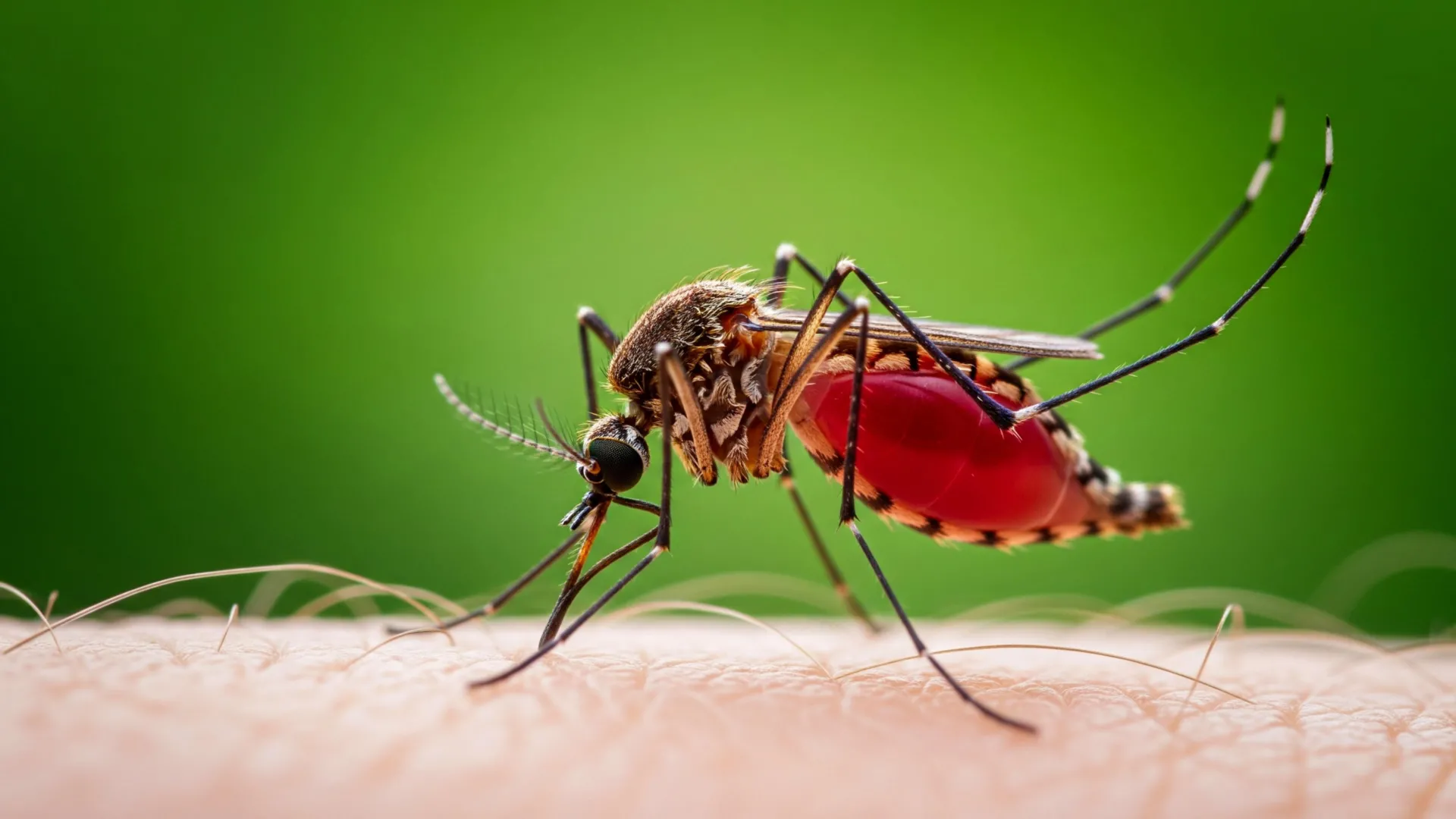
A biological study reported by ScienceDaily reveals that mosquitoes do not share a single, universal preference for human hosts, finding instead that different mosquito species are drawn to markedly distinct combinations of epidermal chemical secretions, volatile organic compounds, and skin-dwelling bacteria. The research upends the longstanding popular and scientific assumption of a generic "mosquito magnet" profile, demonstrating that an individual who is heavily targeted by one disease-bearing species may be largely overlooked by another. By establishing that host selection operates through divergent olfactory pathways across insect taxa, the findings provide a new operational framework for developing species-targeted repellents and spatial deterrents to curb vector-borne pathogens across tropical and temperate zones.
Key facts
What happened
For decades, entomological field observations and anecdotal human experience converged on a familiar observation: in any outdoor gathering, certain individuals endure dozens of bites while others nearby emerge virtually untouched. Previous scientific inquiries frequently attributed this disparity to broad, individual-level traits, such as elevated metabolic rates, high rates of carbon dioxide exhalation, warmer core body temperatures, or heavy concentrations of skin carboxylic acids. These explanations implied that host attractiveness existed on a linear scale, where a person deemed appealing to one mosquito would be equally appetizing to any other.
According to research reported by ScienceDaily, laboratory and behavioral assays designed to evaluate insect olfaction have demonstrated that this assumption fails to capture how host-seeking actually works. By comparing how different mosquito species navigate toward human olfactory cues, researchers identified that attraction is highly divergent across species lines. What serves as an irresistible chemical lure for one variety of mosquito does not consistently provoke host-seeking behavior in another.
The divergence stems from the biochemical complexity of human scent. Human skin produces a volatile cocktail comprising hundreds of distinct organic compounds, generated through eccrine and apocrine gland secretions that are subsequently transformed by colonies of resident microflora, such as *Corynebacterium*, *Staphylococcus*, and *Micrococcus*. The study found that different mosquito species have evolved specialized antennal and maxillary palp receptors tuned to distinct sub-assemblies of this chemical signature. While one species might home in on a specific ratio of fatty acids and aldehydes, another responds primarily to lactic acid derivatives or sulfur-containing microbial effluents. Consequently, a human subject whose skin profile activates the sensory receptors of one vector species may register as completely neutral or uninviting to another.
Why it matters
The realization that host attraction is heterogeneous across mosquito species carries immediate, practical consequences for global epidemiology, urban pest management, and the multibillion-dollar chemical repellent industry. Vector-borne diseases remain among the most persistent threats to human development and clinical health. The World Health Organization estimates that vector-borne pathogens account for more than 17 percent of all infectious diseases globally, causing hundreds of millions of clinical infections annually. Malaria, primarily driven by *Anopheles gambiae* and *Anopheles funestus*, killed an estimated 608,000 people globally in 2022 alone, predominantly children under five years of age in Sub-Saharan Africa. Meanwhile, dengue virus—transmitted principally by *Aedes aegypti* and *Aedes albopictus*—has seen a dramatic, tenfold surge over the past two decades, producing an estimated 100 million to 400 million infections each year in over 100 countries.
Existing personal protection strategies rely overwhelmingly on broad-spectrum synthetic repellents, most notably DEET (N,N-Diethyl-meta-toluamide), developed by the United States Department of Agriculture for the U.S. Army in 1946, alongside picaridin and IR3535. While these compounds function broadly by masking olfactory cues or triggering active avoidance responses across multiple insect orders, their efficacy, durability, and user acceptability vary. Furthermore, community-level vector control tools—such as long-lasting insecticidal bed nets (LLINs) and indoor residual spraying (IRS)—are facing diminishing returns due to widespread pyrethroid resistance in wild mosquito populations.
By demonstrating that human attractiveness is not an absolute, static trait, this study shows why universal, one-size-fits-all repellent and bait designs frequently exhibit uneven field efficacy. An attractant bait engineered to draw mosquitoes into surveillance traps or lethal lure stations in a malaria-endemic region where *Anopheles* predominates may completely fail in an urban landscape where *Aedes aegypti* spreads dengue or *Culex quinquefasciatus* transmits West Nile virus and lymphatic filariasis. Disentangling the species-specific chemical triggers will allow chemical ecologists and agrochemical manufacturers to formulate targeted spatial repellents, odor-baited field traps, and topical formulations engineered against the primary vector active in a specific geographical zone.
The background
The study of hematophagous insect behavior has evolved rapidly over the past century, moving from crude behavioral observations to advanced functional genomics and electrophysiology. Early vector biology established that all blood-feeding female mosquitoes rely on long-range carbon dioxide plumes to locate warm-blooded vertebrates. Carbon dioxide activates specialized gustatory receptors (specifically Gr1, Gr2, and Gr3 complexes in the maxillary palps), serving as a universal activator that stimulates the insect to take flight and orient upwind.
However, carbon dioxide functions primarily as an undifferentiated beacon; it indicates the presence of a living animal, but cannot distinguish between a human, a cow, a bird, or an amphibian. To make that determination, mosquitoes depend on secondary and tertiary cues detected at intermediate and close ranges. Over evolutionary time, different mosquito lineages diverged significantly in their host feeding preferences. While ancestral species fed opportunistically on non-human animals, certain lineages developed strict anthropophilic preferences—an evolutionary shift driven by the expansion of permanent human settlements, agriculture, and artificial water containers.
In recent years, molecular entomology has focused intensely on decoding the chemical components of human scent. Seminal 2022 investigations conducted at Rockefeller University demonstrated that *Aedes aegypti* females exhibit an intense preference for individuals who produce elevated concentrations of skin-derived carboxylic acids, such as pentadecanoic and heptadecanoic acids. That work suggested these acidic compounds remained stable over months and years, leading to widespread reporting that some humans are hardwired to be universal targets for insect bites.
Yet field entomologists consistently observed discrepancies that this single-species model could not explain. In field environments where *Culex* mosquitoes were prevalent, the individuals plagued by *Aedes* during daylight hours were not necessarily the primary targets of night-biting species. The newly reported research reconciles these long-standing contradictions by documenting that the sensory apparatus of mosquitoes evolved along distinct phylogenetic trajectories. Different mosquito species possess varying numbers and configurations of odorant receptors (ORs), ionotropic receptors (IRs), and odorant-binding proteins (OBPs), equipping them to decode the chemical biosphere in fundamentally disparate ways.
Reaction
The findings are drawing close attention across academic entomology, public health institutions, and consumer chemical companies. Vector control specialists and chemical ecologists have long sought explanations for the variable performance of odor-baited vector monitoring networks, particularly those deployed in low- and middle-income regions where multiple vector species coexist. Researchers working in medical entomology are expected to scrutinize the study’s data to re-evaluate how trapping protocols are calibrated, as surveillance programs often rely on standard carbon-dioxide or generic lure systems that can systematically undercount specific vector populations.
In the commercial sector, consumer product development laboratories and multinational chemical corporations are assessing the study's commercial implications. Companies that formulate insect repellents and skin-care products are expected to explore whether topical applications could be tailored to address the seasonal or regional distribution of specific insect genera, rather than relying exclusively on high-concentration, broad-spectrum active ingredients that can present sensory or formulation challenges. Public health regulatory agencies, including the World Health Organization’s Vector Control Advisory Group and national environmental bodies, will monitor whether these insights can translate into validated vector control interventions capable of formal regulatory review.
What we don't know yet
Despite the significant conceptual advance reported by the researchers, critical scientific and logistical gaps remain unaddressed. The summary reporting by ScienceDaily does not specify the exact number or biological identities of the mosquito species tested, nor does it quantify the precise chemical ratios that trigger or suppress landing behaviors in each group. It is also unclear whether the research accounted for geographic genetic variations within the same mosquito species, as strains adapted to urban microclimates often display divergent host choices compared to rural populations of the identical taxon.
Furthermore, the degree to which an individual human's skin microbiome can be practically modified to deter biting remains uncertain. While skin bacteria are acknowledged as the primary drivers of volatile organic compound production, the human skin microbiome is notoriously resilient and difficult to permanently alter. Questions remain as to whether changes in human diet, health status, physiological stress, or cosmetic use can reliably shift a person's chemical profile out of a mosquito species’ preferred sensory window, or whether such modifications would simply make them vulnerable to a different local vector.
What to watch
Moving forward, the field will focus on the translation of these laboratory findings into reproducible outdoor field trials. Key benchmarks to monitor include:
This account is based on original reporting published by ScienceDaily.
How this story was produced
This report was written by The Global Wire newsroom from reporting first published by sciencedaily.com. We verify the core facts against the original report, write our own account, and add the background and consequences a short wire item leaves out. Drafting is AI-assisted inside an editor-supervised pipeline, and every story is checked for accuracy of attribution, structure and duplication before it appears — full detail in our AI and funding disclosure.
Spotted an error? Tell us at corrections@horizonglobalnews.com and read our corrections policy or editorial standards.





Reader comments
Loading comments…