

Modi'in Accuses Wildlife Agency of Inaction After Hyena Enters Yard and Kills Pet
A fatal attack on a pet dog and the injury of a resident in central Israel have intensified a jurisdictional battle over urban wildlife management.
By The Global Wire Newsroom · Reported from Yair Foldes
Link preview · horizonglobalnews.com
Modi'in Accuses Wildlife Agency of Inaction After Hyena Enters Yard and Kills Pet
A fatal attack on a pet dog and the injury of a resident in central Israel have intensified a jurisdictional battle over urban wildlife management.
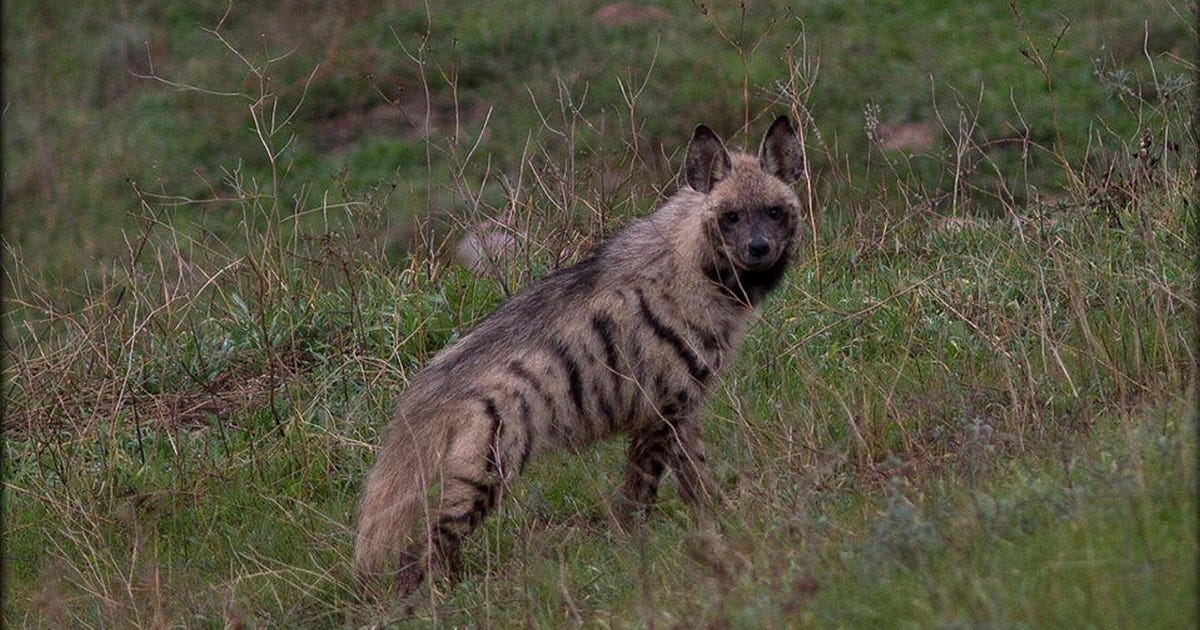
Municipal leaders in the central Israeli city of Modi'in-Maccabim-Re'ut have publicly condemned the Israel Nature and Parks Authority following an encounter in which a hyena entered a private residential yard, killed a pet dog, and left a resident injured. According to municipal statements reported by journalist Yair Foldes, the incident occurred on a Friday when a resident encountered the predator on private property, became startled, fell, and sustained injuries. In the wake of the encounter, city officials escalated long-simmering grievances against state wildlife managers, asserting that national authorities have failed to adequately mitigate the presence of large predators in densely populated residential neighborhoods.
Key facts
What happened
According to municipal accounts reported by Yair Foldes, the encounter unfolded on a Friday in a residential quarter of Modi'in. A hyena managed to breach the perimeter of a residential property, entering the private yard. While inside the enclosure, the animal attacked and killed a domestic dog belonging to the household.
During or immediately following the confrontation with the pet, an occupant of the residence came into close proximity with the predator. Startled by the unexpected presence of the wild carnivore within the confined space of the yard, the resident fell to the ground and sustained physical injuries. The nature and severity of the resident's injuries, as well as whether the individual required emergency hospitalization, were not detailed in the initial municipal communications.
Following the incident, the Modi'in-Maccabim-Re'ut municipality issued a formal denunciation targeting the Israel Nature and Parks Authority (INPA), the statutory government body charged with overseeing wildlife conservation and managing protected fauna across the country. Municipal representatives stated that city hall views what it characterized as persistent inaction by the national authority with utmost gravity, demanding immediate operational intervention to trap, remove, or deter predators that penetrate built-up urban zones.
Why it matters
This confrontation in Modi'in underscores an escalating friction between municipal authorities responsible for local public safety and national wildlife bodies bound by strict conservation mandates. Across Israel, urban boundaries have expanded rapidly into traditional wildlife habitats, creating persistent zones of human-animal interaction. When wild predators enter private domestic spaces and kill companion animals, public perception shifts rapidly from ecological tolerance to alarm, placing immense political pressure on local mayors and municipal councils to take unilateral action.
However, municipal governments in Israel possess strictly limited statutory authority when dealing with wild animals. Under national legislation, cities cannot independently trap, relocate, poison, or shoot protected species. When an apex scavenger or predator breaches municipal borders, local governments must rely entirely on the operational capacity and discretionary protocols of the INPA. When residents perceive that national rangers are slow to respond or reluctant to remove habituated animals, local trust in environmental governance erodes.
Furthermore, the incident raises critical concerns regarding the habituation of large mammalian carnivores to human environments. While striped hyenas are predominantly nocturnal scavengers that instinctively avoid human contact, individuals that learn to forage in domestic trash, consume outdoor pet food, or target confined domestic animals lose their natural wariness of people. This behavioral shift heightens the probability of direct encounters, increasing legal liabilities for municipalities and complicating long-term conservation strategies designed to protect an ecologically vital, protected species.
The background
Modi'in-Maccabim-Re'ut is a master-planned city established in the 1990s, situated geographically in the Central District between Tel Aviv and Jerusalem. Designed along hills and valleys, the city was built directly adjacent to the ecological corridors of the Judean foothills (the Shephelah) and the Ben Shemen Forest. This positioning creates extensive wildland-urban interfaces, where residential tracts, manicured municipal parks, and landscaped green belts directly abut Mediterranean scrubland and natural drainage basins.
The species native to this region is the striped hyena (*Hyaena hyaena*), the sole hyena species present in the Middle East. Unlike the spotted hyenas of sub-Saharan Africa, striped hyenas are solitary or pair-living scavengers rather than cooperative pack hunters. An adult striped hyena typically weighs between 30 and 45 kilograms and plays an indispensable role in the local ecosystem by clearing animal carcasses, bone fragments, and organic detritus. Historically persecuted through poisoning and hunting, the striped hyena saw its regional population decline precipitously during the twentieth century, leading to its classification as an endangered species within Israel.
Under Israel's Wildlife Protection Law of 1955 and subsequent regulatory amendments, all non-game wildlife is granted blanket protection. The Israel Nature and Parks Authority serves as the sole enforcement and management body authorized to handle, trap, or cull protected species. The INPA's guiding doctrine prioritizes non-lethal management and habitat conservation over lethal control or aggressive translocation. Translocation of large carnivores often fails biologically, as relocated animals either attempt to return to their home territory or perish in conflicts with established territorial individuals in the release zone.
This legal and biological framework has repeatedly generated tension in suburban and urban centers across Israel. Similar conflicts have played out in northern Israel, notably in Haifa, where wild boars have extensively colonized residential neighborhoods, and in central cities where golden jackals frequent urban parks. In Modi'in specifically, residents and municipal workers have reported sightings of hyenas traversing streets, scavenging near commercial waste bins, and passing through perimeter neighborhoods for several years. Previous municipal appeals have urged the INPA to increase patrols and deploy specialized traps, while wildlife ecologists have consistently maintained that urban wildlife incursions are primarily driven by accessible anthropogenic food sources, including unsealed municipal dumpsters, feeding stations for feral cats, and uncollected household refuse.
Reaction
The Modi'in municipality articulated an uncompromising stance in its statement following the incident, directly framing the attack as the consequence of bureaucratic negligence on the part of national wildlife regulators. By publicizing its dissatisfaction and noting that it viewed the INPA's stance with extreme severity, city hall signaled to residents that responsibility for the incident rested beyond municipal jurisdiction, while demanding systemic federal intervention.
In comparable incidents, the Israel Nature and Parks Authority has historically emphasized the necessity of preventative municipal sanitation over reactive animal removal. In institutional responses to past urban wildlife disputes, the INPA has typically pointed out that trapping individual animals provides only temporary relief if the underlying environmental attractants—primarily accessible food waste and unsecured pets—remain present in neighborhoods. Professional conservationists and animal welfare organizations in Israel frequently advocate for stricter municipal bylaws regarding garbage containment, urging residents to avoid leaving companion animals unattended outdoors at night and to halt indiscriminate feeding of community animals that inadvertently attracts nocturnal predators.
What we don't know yet
Several substantive details surrounding the Modi'in incident remain unclarified in initial public disclosures. The specific neighborhood in Modi'in where the yard was breached has not been disclosed, leaving it unclear whether the attack took place on the outer periphery bordering open scrubland or deeper within the city's interior street network. Additionally, authorities have not confirmed how the predator entered the yard, specifically whether perimeter fencing was absent, compromised, or jumped by the animal.
The current status of the hyena is also undetermined. Public reporting does not indicate whether INPA wildlife wardens successfully tracked, tranquilized, or captured the animal following the attack, or whether the carnivore retreated into nearby valleys. Finally, while municipal authorities confirmed that the startled resident fell and suffered injuries, official reports have not detailed whether those injuries resulted from physical contact with the hyena or solely from the impact of the fall, nor has an update on the individual's clinical condition been released.
What to watch
The primary development to monitor is whether the INPA will alter its operational posture in Modi'in by deploying tracking teams and specialized box traps to remove the specific hyena involved. Wildlife authorities typically distinguish between passive scavengers and habituated animals that display predatory behavior toward domestic animals inside residential structures; confirmation that an animal has attacked pets on private property often triggers targeted extraction protocols.
A second critical factor is whether the Modi'in municipality will announce localized security and sanitation measures. Observers should watch for new municipal directives mandating the retrofitting of public dumpsters with animal-proof latches, enhanced night patrols by municipal security vehicles, and public education campaigns regarding pet safety and domestic fencing standards.
On a broader administrative level, this incident may revive parliamentary discussions in the Knesset regarding the division of powers between local municipalities and the national wildlife authority. Municipal leaders facing persistent wildlife incursions have periodically lobbied for expanded legal authority to authorize private trapping contractors or deploy municipal wardens to manage urban wildlife. Any legislative or regulatory review initiated by the Ministry of Environmental Protection or local government coalitions in the coming legislative sessions will indicate whether the Modi'in confrontation shifts national policy.
This report is based on original reporting published by Yair Foldes.
How this story was produced
This report was written by The Global Wire newsroom from reporting first published by Yair Foldes. We verify the core facts against the original report, write our own account, and add the background and consequences a short wire item leaves out. Drafting is AI-assisted inside an editor-supervised pipeline, and every story is checked for accuracy of attribution, structure and duplication before it appears — full detail in our AI and funding disclosure.
Spotted an error? Tell us at corrections@horizonglobalnews.com and read our corrections policy or editorial standards.





Reader comments
Loading comments…