

Judge expected to place two closed Chicago-area safety-net hospitals into receivership
A Cook County judge was scheduled to appoint a receiver for Weiss Memorial Hospital and West Suburban Medical Center following financial collapse and operational shutdowns.
By The Global Wire Newsroom · Reported from Adam Harrington
Link preview · horizonglobalnews.com
Judge expected to place two closed Chicago-area safety-net hospitals into receivership
A Cook County judge was scheduled to appoint a receiver for Weiss Memorial Hospital and West Suburban Medical Center following financial collapse and operational shutdowns.
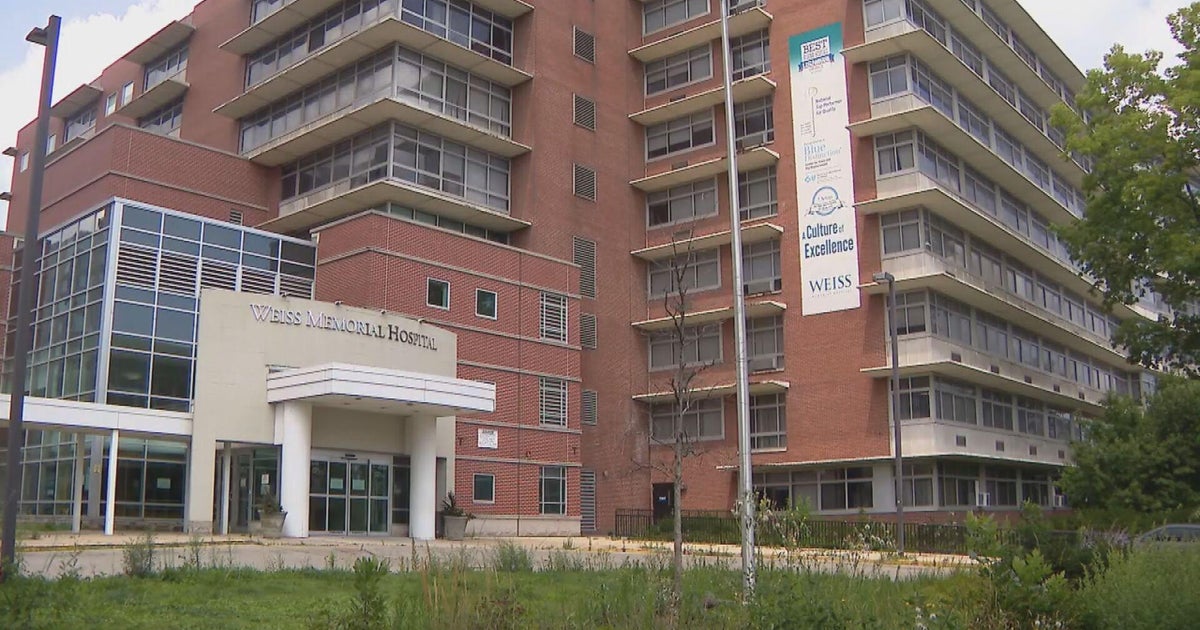
A Cook County Circuit Court judge was scheduled on Tuesday to place two closed Chicago-area safety-net institutions—Weiss Memorial Hospital in the city's Uptown neighborhood and West Suburban Medical Center in suburban Oak Park—into court-ordered receivership, according to reporting by Adam Harrington. The judicial action represents a decisive legal phase for the medical centers following months of financial distress, operational shutdowns, and unpaid debt obligations. Under the court's receivership order, an appointed independent receiver will assume authority over the assets, accounting records, real estate holdings, and administrative affairs of both institutions to manage debt obligations, protect physical assets, and oversee the legal winding down or potential transfer of the healthcare facilities.
Key facts
What happened
The court proceeding marks the formal transition of Weiss Memorial Hospital and West Suburban Medical Center into court-supervised receivership. In civil chancery courts, receivership is an extraordinary legal remedy invoked when a corporate entity becomes insolvent, experiences severe operational failure, or can no longer meet its fundamental fiduciary and legal liabilities. In this case, the motion before the judge follows the complete cessation of patient care and emergency medical operations at both institutions.
Under Illinois state law, the designation of a receiver removes existing corporate executives and board members from executive authority over the entities. The receiver acts as an officer of the court, tasked with taking physical custody of hospital property, securing confidential patient medical records, managing remaining bank accounts, and establishing a structured inventory of corporate assets and liabilities. The receiver is tasked with assessing whether any portion of the medical facilities can be restructured, leased, or sold to cover outstanding claims from creditors, vendors, and former staff members. The transition follows extended financial degradation at both sites, where clinical operations had already ceased due to persistent cash flow shortages, unpaid vendor accounts, and operational instability.
Why it matters
The collapse and legal receivership of Weiss Memorial Hospital and West Suburban Medical Center carry serious consequences for healthcare access, emergency room capacity, and social safety nets across the Chicago metropolitan area. Safety-net hospitals fill a crucial public health function by delivering acute care, surgical procedures, and emergency treatment to underserved urban populations regardless of health insurance status or financial capability. Weiss Memorial Hospital historically served as a primary care anchor for Chicago's Uptown neighborhood on the North Side, providing emergency care and specialized treatment to high concentrations of low-income seniors, immigrants, and Medicaid beneficiaries. West Suburban Medical Center served a similarly vital function on the border of Chicago's West Side neighborhood of Austin and the adjacent suburb of Oak Park, serving communities that face long-standing healthcare access disparities.
When safety-net facilities shutter, nearby hospital emergency rooms experience immediate surge pressures, resulting in expanded wait times, extended ambulance transport distances, and systemic delays in critical medical care. Patients relying on these institutions for chronic condition management, maternal care, and preventative medicine often face severe geographic barriers, increasing the likelihood of unmanaged illnesses and avoidable emergency hospitalizations. Furthermore, the termination of hospital operations eliminates thousands of local jobs, clinical training slots, and healthcare support positions, inflicting economic damage on surrounding commercial corridors while leaving expansive urban real estate complexes vacant. From a public policy perspective, the double receivership underlines deep systemic vulnerabilities in how urban safety-net medical facilities are financed and regulated, particularly when operated under leveraged corporate ownership models.
The background
The trajectory leading to receivership for Weiss Memorial Hospital and West Suburban Medical Center reflects broader historical trends across the American healthcare sector, where community and safety-net hospitals have struggled with declining reimbursement rates, rising operational expenses, and corporate restructuring. Weiss Memorial Hospital was established in 1953 as a non-profit community facility in Uptown, while West Suburban Medical Center was founded in 1914 in Oak Park. For decades, both facilities operated as non-profit institutions before being absorbed into corporate hospital networks. Vanguard Health Systems acquired both facilities in 2010, and they were subsequently purchased by Dallas-based Tenet Healthcare Corporation in 2013 during a period of national hospital system consolidation.
In January 2019, Tenet Healthcare sold Weiss Memorial Hospital, West Suburban Medical Center, and Metro South Medical Center in Blue Island to Pipeline Health, a private California-based healthcare management company, for a reported purchase price of approximately $70 million. Pipeline Health drew immediate sharp criticism from public officials and community advocacy groups after shuttering Metro South Medical Center shortly after completing the acquisition. Pipeline Health subsequently filed for Chapter 11 bankruptcy protection in federal court in October 2022, citing severe financial pressures, high labor costs, and inadequate government reimbursement for safety-net care.
As part of its Chapter 11 bankruptcy reorganization in late 2022, Pipeline Health transferred ownership of Weiss Memorial Hospital and West Suburban Medical Center to Resilience Healthcare, an entity led by executive Manoj Prasad in partnership with RAMCO Healthcare Holdings. However, the ownership transfer failed to achieve financial stability. Over the subsequent years, both facilities suffered severe liquidity crises, recurring delays in employee payroll, unpaid medical supplier claims, and declining operational capacity, ultimately leading to the total halt of clinical operations and the current court intervention seeking formal receivership.
Reaction
The pending receivership order comes amid sustained advocacy and concern from municipal leaders, healthcare unions, and community organizations. Chicago City Council members, Cook County commissioners, and Illinois state lawmakers representing Uptown and the West Side have repeatedly condemned the loss of safety-net care, calling for emergency public intervention, corporate financial accountability, and legislative reforms to protect community health assets from speculative private equity investments.
Labor organizations representing nurses, service staff, and healthcare technicians previously employed at Weiss Memorial and West Suburban have mounted legal challenges and labor grievances to recover unpaid wages, accrued paid leave, and contractually mandated severance pay. Community coalitions in Uptown and Austin have conducted public rallies and municipal forums, urging local government agencies to ensure that the hospital physical properties are preserved for future community health services rather than converted into private commercial real estate developments. Meanwhile, state regulatory agencies, including the Illinois Department of Public Health, are monitoring the legal proceedings to enforce statutory mandates governing the secure storage of patient health records, environmental safety on site, and license retirements.
What we don't know yet
Several critical questions remain unanswered as the legal receivership process begins. First, the full scale of the accumulated financial liabilities across both hospital entities remains unverified in public court filings. It is currently unclear how much capital is owed to secured mortgage holders, utility providers, medical equipment suppliers, and former employees, or whether the liquidation of physical assets will generate sufficient proceeds to cover outstanding claims.
Second, the ultimate future use of the real estate properties remains uncertain. While local community leaders and municipal urban planning agencies strongly advocate for maintaining the facilities for healthcare or affordable housing uses, the court-appointed receiver is bound by legal mandates to maximize financial returns for creditors, which could lead to open-market land sales to commercial developers. Finally, it remains unknown whether federal or state regulatory agencies will initiate administrative reviews or regulatory enforcement actions regarding the corporate management practices and financial transfers that preceded the collapse of the two hospitals.
What to watch
Key developments over the coming months will determine the outcome of the receivership and the future of both hospital grounds. Stakeholders will closely inspect the receiver's initial inventory and financial audit, which must be submitted to the Cook County Circuit Court to establish a formal accounting of all assets, debts, and creditor claims. Subsequent court hearings will determine whether the judge grants the receiver authorization to market the real estate parcels, liquidate clinical equipment, or enter into negotiations with potential buyers.
In the legislative realm, observers should watch for potential policy proposals during upcoming sessions of the Illinois General Assembly. State lawmakers may consider measures to tighten oversight of private acquisitions of safety-net medical facilities and establish emergency state funding mechanisms to support distressed community healthcare infrastructure. Locally, zoning hearings conducted by the Chicago Department of Planning and Development and the Village of Oak Park will indicate whether municipal leaders will utilize municipal zoning restrictions to guide the redevelopment of the former hospital properties.
This account is based on original reporting by Adam Harrington.
How this story was produced
This report was written by The Global Wire newsroom from reporting first published by Adam Harrington. We verify the core facts against the original report, write our own account, and add the background and consequences a short wire item leaves out. Drafting is AI-assisted inside an editor-supervised pipeline, and every story is checked for accuracy of attribution, structure and duplication before it appears — full detail in our AI and funding disclosure.
Spotted an error? Tell us at corrections@horizonglobalnews.com and read our corrections policy or editorial standards.

Reader comments
Loading comments…