

Iran Sentences Female Singer and Four Crew Members to 74 Lashes Over Online Content
Judicial authorities in Iran carried out flogging sentences against a musical artist and her production crew following convictions for distributing online material deemed contrary to public decency.
By The Global Wire Newsroom · Reported from thestar.com.my
Link preview · horizonglobalnews.com
Iran Sentences Female Singer and Four Crew Members to 74 Lashes Over Online Content
Judicial authorities in Iran carried out flogging sentences against a musical artist and her production crew following convictions for distributing online material deemed contrary to public decency.
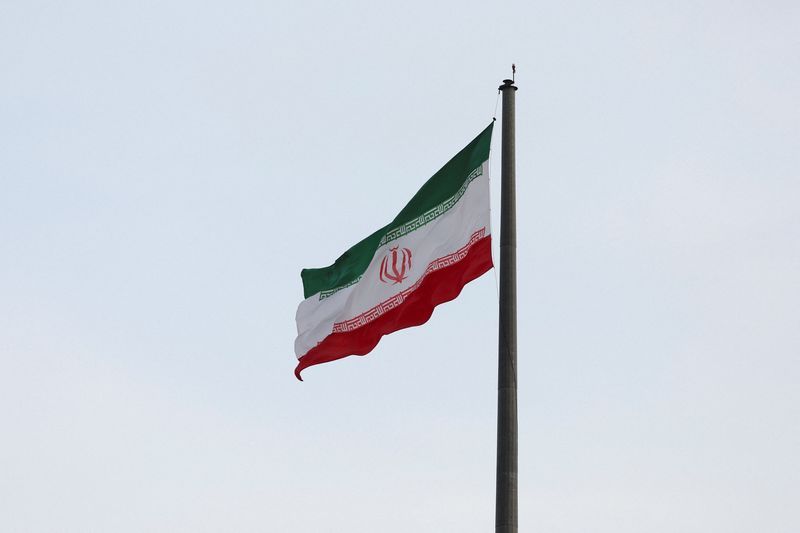
Judicial authorities in the Islamic Republic of Iran have carried out a sentence of 74 lashes each against a female singer and four members of her production crew following their conviction for distributing digital musical content deemed contrary to state-mandated moral codes. The enforcement of the corporal punishment was reported by Iranian domestic media on Monday, November 23, and relayed by Reuters, marking the latest application of penal flogging against cultural workers in the country under statutes prohibiting the creation and dissemination of material categorized by the judiciary as obscene and harmful to public propriety.
Key facts
What happened
According to an Iranian news website cited in reporting by Reuters, the five individuals—comprising the lead vocalist and four technical and creative associates involved in producing her work—were prosecuted under criminal decency statutes. The court found the defendants guilty of violating public decency laws through the manufacture and internet dissemination of content characterized as obscene and immoral.
Following the finalization of the verdict, judicial enforcement officers administered 74 lashes to each of the five defendants. Discretionary flogging in Iran is typically carried out in judicial execution units or detention centers under the supervision of the enforcement bureau of the public prosecutor's office. The domestic report did not publish the identities of the vocalist or her four crew members, nor did it disclose the specific metropolitan area or province in which the trial and execution of the sentence took place.
The proceedings reflect the typical trajectory of cultural policing cases in Iran, which commonly originate from surveillance by specialized units such as the Iranian Cyber Police, known as FATA, or intelligence divisions of law enforcement. In cases involving digital musical production, suspects are routinely summoned, interrogated regarding their funding and digital distribution channels, and referred to the Islamic Revolutionary Courts or general criminal courts depending on the severity of the charges and whether national security allegations are appended.
Why it matters
The enforcement of corporal punishment against artistic collaborators underscores the severe statutory risks confronting independent creators operating outside Iran's formal censorship apparatus. In the cultural sector, the application of physical flogging serves as a sharp deterrent directed not only at performers themselves, but specifically at the secondary technical ecosystem—including videographers, sound engineers, lighting technicians, and digital editors—without whom independent creative production cannot function. By imposing identical, maximum-level discretionary penalties on four support crew members alongside the primary artist, the judicial authorities have signaled an intent to disrupt the operational networks that sustain uncensored music distribution within the country.
For citizens and cultural consumers in Iran, the case demonstrates the persistent enforcement of strict behavioral and artistic codes despite sustained domestic pressure for civil liberalization. While large segments of the urban population routinely access Western and unsanctioned domestic media via virtual private networks (VPNs) and international satellite channels, domestic producers inside the country remain exposed to the full weight of physical criminal liability. The ruling also carries international legal ramifications. International human rights treaty bodies, including the United Nations Human Rights Committee, have repeatedly held that judicial flogging constitutes a violation of Article 7 of the International Covenant on Civil and Political Rights (ICCPR), to which Iran is a state party. That provision strictly prohibits torture and cruel, inhuman, or degrading treatment or punishment without exception, highlighting the continued friction between domestic Iranian penal jurisprudence and international statutory norms.
The background
Since the establishment of the Islamic Republic following the 1979 revolution, Iran's legal and regulatory systems have strictly curbed musical expression, with particularly severe constraints placed on women. Religious authorities and official rulings by state clerics have long banned women from performing solo vocal music before mixed-gender audiences, restricting permitted female singing to choral backing ensembles or segregated all-female assemblies. All domestic cultural output, including sound recordings, lyrical texts, music videos, and public concerts, must obtain operational permits from the Ministry of Culture and Islamic Guidance, known in Iran as Ershad.
Because independent and secular artists rarely receive Ershad certification—especially women seeking to perform solo—a pervasive underground and digital music economy has developed across major Iranian cities. Over the last two decades, platforms such as Instagram, YouTube, Telegram, and Soundcloud, alongside diaspora media networks based in Europe and North America, have served as the primary distribution mechanisms for Iranian musicians working outside state constraints.
In response, the judiciary relies on the Islamic Penal Code, which provides a broad statutory framework for prosecuting non-conforming behavior. Article 638 of the penal code prescribes penalties, including imprisonment and up to 74 lashes, for individuals who publicly commit acts deemed sinful or offensive to public decency. Furthermore, specialized statutes governing digital transactions and computer crimes penalize the production, publication, or transmission of content that state authorities deem contrary to chastity or general morals.
Corporal punishment has remained a central element of the Iranian penal system since the codification of Islamic criminal law in the early 1980s. Penalties are categorized under fixed religious sanctions (hudud), discretionary sentences determined by judges within statutory ceilings (ta'zir), and retaliation in kind (qisas). For offenses classified as moral or decency transgressions, 74 lashes is widely established as the default statutory maximum for ta'zir sentences. Flogging has routinely been applied to journalists, labor activists, student demonstrators, and participants in mixed-gender social gatherings. Notable historical precursors include the May 2014 arrest and subsequent suspended flogging and prison sentences handed down to six young Iranians who produced a viral online video dancing to the song "Happy," as well as more recent prosecutions of hip-hop and pop musicians such as Toomaj Salehi and Mehdi Yarrahi following public protests.
Reaction
Official state bodies in Tehran have not issued public policy statements regarding the specific execution of the lashes, reflecting standard administrative practice where lower-level municipal or regional penal executions are recorded in legal bulletins without central ministerial commentary. In analogous cases, official judicial mouthpieces typically maintain that such actions represent routine law enforcement required to uphold public morality and enforce statutory penal provisions.
International human rights organizations, United Nations independent experts, and advocacy networks focused on artistic freedom are expected to document the incident in forthcoming monitoring reports. Bodies such as the Office of the United Nations High Commissioner for Human Rights (OHCHR) and non-governmental monitors routinely lodge formal objections against sentences involving judicial flogging, calling for structural legislative reform within Iran's parliament to abolish corporal punishment.
Within Iranian civil society and across diaspora digital networks, reports of flogging for cultural production consistently draw widespread condemnation. Online activist groups frequently circulate petitions and document judicial officers involved in issuing physical sentences, framing such rulings as disproportionate state intrusion into personal expression and the arts.
What we don't know yet
Several substantive operational and legal details regarding the case remain unconfirmed in the initial reporting. The names and ages of the female vocalist and her four crew members were omitted from the domestic report, leaving their identities, past recording catalogs, and specific artistic affiliations undisclosed. It also remains unknown whether the five individuals faced simultaneous prison terms, financial penalties, or professional bans, which are frequently handed down alongside corporal sentences in moral decency cases.
Furthermore, the exact geographical jurisdiction of the trial court and the location where the lashes were administered were not specified. The reporting did not identify which specific piece of content, music video, or digital release prompted the prosecution, nor did it disclose whether the legal proceedings were initiated by municipal police complaints, the FATA cyber monitoring unit, or intelligence agents. It is likewise unverified whether the defendants had access to independent legal counsel during their trial or whether the sentences were carried out after an appellate review or following a summary decree.
What to watch
Developments in the coming weeks will indicate whether details about the identities of the convicted artists emerge through domestic Iranian human rights monitoring groups or diaspora channels. Advocates often verify court dossiers and prison registries through family contacts once immediate security pressures on the defendants subside. Observers will also track whether the Ministry of Culture and Islamic Guidance or judicial spokespersons address the case during weekly press briefings in Tehran.
Attention will focus on whether this enforcement action signals an intensified operational campaign against independent audiovisual production companies operating within Iran. Observers of Iran's legal landscape will monitor forthcoming reports from the UN Special Rapporteur on the situation of human rights in the Islamic Republic of Iran to see if this specific case is incorporated into multilateral human rights reviews. Any potential formal appeals, requests for judicial pardon, or subsequent travel bans imposed upon the five crew members will provide further clarity on the legal and professional aftermath of the punishment.
This account is based on news reporting published by Reuters via the Malaysian digital news outlet thestar.com.my, citing domestic Iranian news reports.
How this story was produced
This report was written by The Global Wire newsroom from reporting first published by thestar.com.my. We verify the core facts against the original report, write our own account, and add the background and consequences a short wire item leaves out. Drafting is AI-assisted inside an editor-supervised pipeline, and every story is checked for accuracy of attribution, structure and duplication before it appears — full detail in our AI and funding disclosure.
Spotted an error? Tell us at corrections@horizonglobalnews.com and read our corrections policy or editorial standards.






Reader comments
Loading comments…