

Immune Disorder Breakthrough Challenges Thirty Years of Medical Consensus
Scientists have uncovered a cellular flaw behind a rare inflammatory condition, opening the door to drug repurposing after an infant showed dramatic improvement.
By The Global Wire Newsroom · Reported from sciencedaily.com
Link preview · horizonglobalnews.com
Immune Disorder Breakthrough Challenges Thirty Years of Medical Consensus
Scientists have uncovered a cellular flaw behind a rare inflammatory condition, opening the door to drug repurposing after an infant showed dramatic improvement.
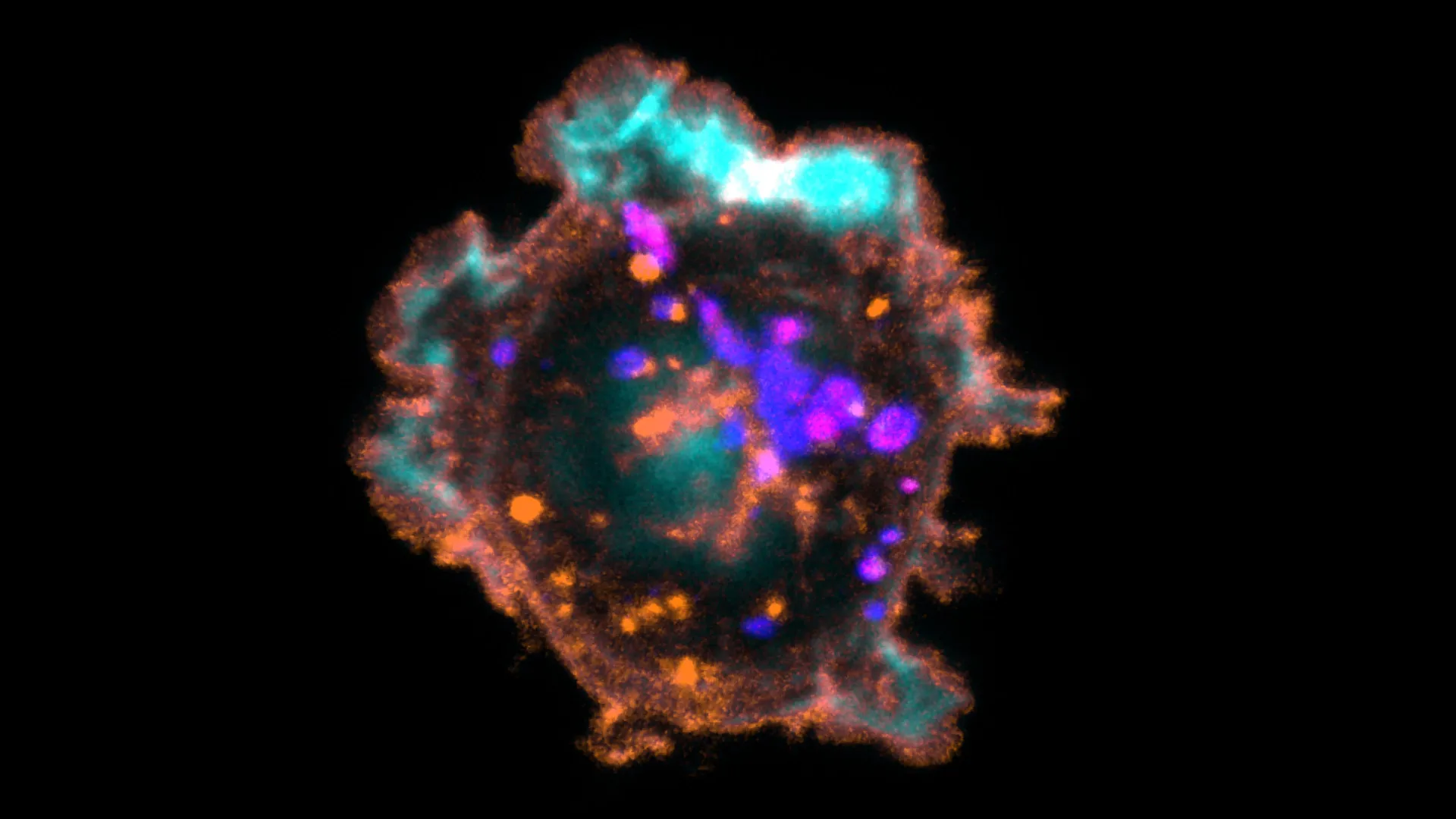
Medical researchers have identified a previously unrecognized cellular mechanism underlying a severe and potentially fatal inflammatory disorder, fundamentally challenging three decades of established scientific doctrine, according to reporting published by ScienceDaily on Nov. 18. The discovery establishes that the life-threatening illness is driven by dysfunctional immune cells rather than the biological pathways researchers had targeted for roughly thirty years. In addition to revising basic immunology, the investigation identified an immediate therapeutic avenue using medications already approved for other conditions, with at least one critically ill infant experiencing positive clinical results following treatment with an existing drug.
Key facts
What happened
For nearly thirty years, researchers investigating this severe inflammatory disorder operated under a prevailing hypothesis regarding its primary biological drivers. Decades of laboratory studies and clinical approaches had focused on pathways that ultimately failed to fully explain the severity of patient symptoms or yield reliable, definitive therapies. The newly released findings overturn that legacy framework by demonstrating that specific, malfunctioning immune cells are the central culprits generating the hyperinflammatory cascade.
By pinpointing the exact cellular malfunction driving tissue inflammation and systemic decline, the research team bypassed the need to spend a decade or more developing an entirely new chemical entity from scratch. Instead, scientists cross-referenced the newly illuminated molecular target against libraries of authorized therapeutics. The investigators determined that medications already cleared by regulatory authorities for other conditions possessed the pharmacological properties necessary to suppress or correct the dysfunctional cellular activity.
This translational discovery was immediately put to the test in a high-stakes clinical setting. A severely affected infant diagnosed with the condition, facing life-threatening complications, received treatment with an existing medication selected on the basis of the new cellular findings. The intervention produced clinical improvements, demonstrating in a single human subject that targeting the specific cellular defect can alter the trajectory of a previously intractable disease.
Why it matters
The overturning of a 30-year-old scientific assumption carries profound implications for clinical immunology and pediatric rare-disease management. In systemic inflammatory conditions, incorrect biological models frequently lead to decades of stalled clinical trials, ineffective treatments, and significant morbidity. When scientists operate under a flawed premise, clinical teams are left with broad, blunt-force immunosuppression—such as high-dose corticosteroids—which carry severe long-term complications including organ damage, opportunistic infections, and stunted growth in pediatric populations.
By elucidating the precise cellular origin of the disorder, this research provides clinicians with a targeted therapeutic rationale. Moreover, because the proposed treatment utilizes an existing medicine, the typical timeline for translational research has been compressed by years. In the global pharmaceutical landscape, designing, testing, and securing regulatory approval for a novel chemical compound typically requires between 10 and 15 years and capital investments frequently exceeding $1 billion, according to established industry metrics. Drug repurposing eliminates preclinical safety hurdles, enabling bedside applications for critically ill patients who cannot survive the years required for de novo drug synthesis. For rare disease communities, where small patient cohorts regularly deter commercial pharmaceutical investment, demonstrating that approved drugs can treat overlooked cellular defects is an essential pathway toward viable care.
The background
Inborn errors of immunity and systemic autoinflammatory diseases represent some of the most complex challenges in modern medicine. Historically classified primarily as rheumatological or hematological anomalies, these conditions occur when the body's defensive apparatus initiates unprovoked, chronic, or destructive inflammation without an external infectious pathogen. According to widely established medical public health data, including estimates from the U.S. National Institutes of Health and European rare-disease consortia, more than 300 million individuals worldwide live with one of roughly 7,000 identified rare conditions. A significant proportion of these manifest during early infancy and early childhood, where diagnostic delays average between four and seven years.
Over the past three decades, beginning in the mid-1990s, molecular biology underwent a technological revolution through genomic sequencing and advanced flow cytometry. Despite these tools, clinical consensus on specific rare inflammatory diseases often hardened around early descriptive findings. When early studies pointed toward systemic cytokine dysregulation or specific enzymatic deficiencies, succeeding generations of academic research frequently focused on refining those assumptions rather than interrogating their fundamental premises. In several historically documented instances in pediatric immunology, diseases originally categorized as broad organ-system failures were later reclassified as specific monogenic or cellular defects only after advanced functional assays became accessible.
When a cellular mechanism is mischaracterized, patient management suffers from standard therapeutic failure. The standard of care for refractory inflammatory conditions historically relied on broad-spectrum anti-inflammatory agents, cytotoxic drugs, or systemic immunosuppressants. Over the last two decades, the introduction of targeted biologics—such as tumor necrosis factor inhibitors, interleukin blockers, and Janus kinase inhibitors—demonstrated that specific molecular intervention could induce remission in conditions previously deemed incurable. However, selecting the appropriate biologic requires absolute precision regarding the underlying cellular lesion, a standard that previous theories regarding this specific disorder could not fulfill.
Reaction
Because the underlying research represents an unexpected departure from established scientific literature, the findings are anticipated to generate active discussion across clinical immunology, pediatric rheumatology, and drug regulatory bodies. Professional medical societies, such as the Clinical Immunology Society and international pediatric academic bodies, routinely evaluate such paradigm shifts at annual scientific assemblies and through specialized working groups.
Clinical geneticists and pediatric intensivists are expected to review the study's mechanistic data to determine whether diagnostic criteria for the condition must be rewritten. Regulatory authorities, including the U.S. Food and Drug Administration and the European Medicines Agency, maintain established pathways for label expansions and off-label guidance, which physician-researchers typically engage when deploying commercial pharmaceuticals against orphan indications. Patient advocacy organizations, which frequently coordinate natural history studies and funding registries for rare autoinflammatory conditions, are also expected to monitor the findings to assist families in evaluating potential clinical trials and off-label therapeutic access.
What we don't know yet
Significant gaps remain in the scientific and clinical picture. The available initial reporting does not name the specific disorder, the exact molecular class of the malfunctioning immune cells, the genetic mutations involved, or the precise pharmaceutical compound administered to the infant. While initial results in a single infant were described as promising, medical history demonstrates that solitary case responses cannot establish universal efficacy across broader patient cohorts.
It remains unverified whether all patients presenting with this clinical diagnosis harbor the identical cellular malfunction, or whether the disease represents a heterogeneous syndrome with diverse genetic origins. Additionally, the long-term durability of the infant's clinical improvement is unknown, as is whether the treatment produces adverse off-target effects over prolonged exposure. Finally, the specific institutional affiliation of the research team and the peer-reviewed journal in which the formal study was published were not detailed in the initial wire transmission, leaving the academic timeline for multi-center validation unresolved.
What to watch
The immediate development to monitor is the publication and formal dissemination of the peer-reviewed clinical data, which will supply the medical community with the specific drug name, dosage parameters, and cellular markers identified by the authors. Clinicians will look for subsequent reports evaluating whether other pediatric or adult patients with the disorder respond similarly to the repurposed therapy.
Beyond individual clinical applications, observers should watch whether academic medical centers launch formal prospective clinical trials or compassionate-use registries to standardize treatment protocols. Any regulatory moves by drug sponsors or clinical consortia to seek formal orphan drug designations or supplementary indications from national health agencies will serve as concrete milestones. Finally, laboratory researchers will likely examine whether this newly uncovered cellular defect plays a covert role in other unresolved, idiopathic inflammatory disorders.
This report is based on original reporting published by ScienceDaily.
How this story was produced
This report was written by The Global Wire newsroom from reporting first published by sciencedaily.com. We verify the core facts against the original report, write our own account, and add the background and consequences a short wire item leaves out. Drafting is AI-assisted inside an editor-supervised pipeline, and every story is checked for accuracy of attribution, structure and duplication before it appears — full detail in our AI and funding disclosure.
Spotted an error? Tell us at corrections@horizonglobalnews.com and read our corrections policy or editorial standards.





Reader comments
Loading comments…