

Hong Kong Dietary Habits Face Scientific Scrutiny as Traditional and Modern Fads Collide
A South China Morning Post investigation examines the nutritional evidence behind Cantonese broths, plant-based menus, protein snacks, and the territory's expanding sober living movement.
By The Global Wire Newsroom · Reported from SCMP Staff
Link preview · horizonglobalnews.com
Hong Kong Dietary Habits Face Scientific Scrutiny as Traditional and Modern Fads Collide
A South China Morning Post investigation examines the nutritional evidence behind Cantonese broths, plant-based menus, protein snacks, and the territory's expanding sober living movement.
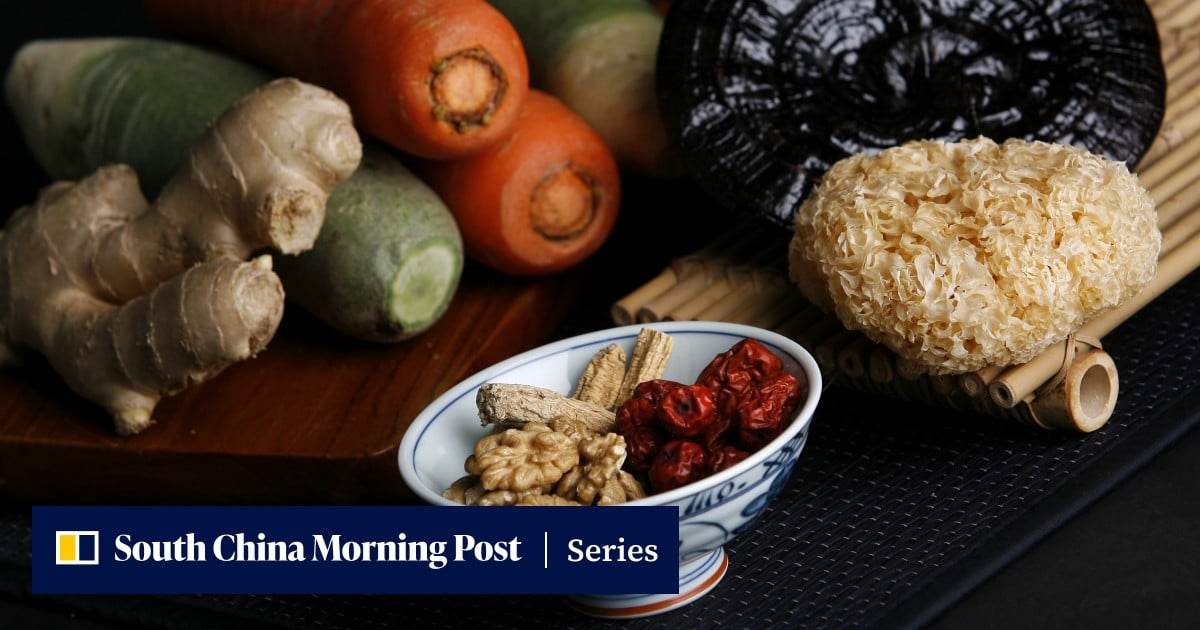
On November 16, 2026, the South China Morning Post published an investigative series titled Health Matters, analyzing the physiological efficacy and dietary realities behind Hong Kong's wellness trends. The report examines how residents of the territory balance longstanding cultural eating habits with contemporary health movements, evaluating popular practices through the lens of biomedical science. Among the core subjects scrutinized are the nutritional profiles of slow-simmered Cantonese broths, the commercial proliferation of protein-enriched processed foods, the long-term adoption of plant-based diets, and a burgeoning shift toward alcohol reduction and sober living in one of Asia's most densely populated financial centers.
Key facts
What happened
The South China Morning Post initiated its focused Health Matters series to address a widening gap between aggressive commercial wellness marketing and established nutritional science across Hong Kong. The reporting takes direct aim at several foundational pillars of the city's food culture as well as imported global wellness trends.
At the cultural center of the examination are slow-simmered Cantonese soups, known locally as "lao fo tong." For generations, households and traditional dining establishments have prepared these broths over several hours using meats, bones, and traditional Chinese medicinal herbs, operating under the deeply ingrained cultural belief that prolonged boiling extracts vital nutrients, tonifies organs, and corrects physiological imbalances. According to reporting by the South China Morning Post, the series applies modern nutritional analysis to these long-held culinary tenets, evaluating what compounds actually survive sustained thermal processing and assessing the dietary consequences of consuming soups that can be rich in purines, sodium, and dissolved fats.
Simultaneously, the investigation traces the retail surge of packaged, protein-dense snacks in convenience chains and supermarkets throughout the territory. Marketed heavily toward office workers and recreational gym-goers seeking lean muscle development or weight management, these products represent a commercial shift toward functional eating. The series examines whether typical urban consumers actually require supplementary protein beyond standard meal intake, questioning the nutritional trade-offs involved in consuming highly processed snack bars and ready-to-eat products that often contain elevated levels of artificial sweeteners, preservatives, and saturated fats.
Beyond functional snacking, the reporting investigates the evolution of the city's plant-based dining ecosystem. Over the past decade, Hong Kong served as an early testing ground in East Asia for alternative proteins and vegetarian restaurant concepts. The series examines how consumer enthusiasm has matured, analyzing whether plant-based meat substitutes offer measurable cardiovascular advantages over whole-food vegetarian staples or lean animal proteins.
Finally, the coverage highlights the emergence of sober living and mindful drinking. In an urban environment where business networking and evening dining have long been intertwined with alcoholic beverages, an increasing cohort of residents is deliberately choosing abstinence or low-alcohol alternatives. The series examines the biomedical literature surrounding moderate alcohol consumption, debunking historical notions of protective cardiovascular benefits and validating the measurable physiological improvements observed when individuals eliminate alcohol.
Why it matters
The findings highlighted in the reporting hold substantial implications for public health policy, healthcare expenditure, and everyday consumer behavior across Hong Kong. Despite boasting one of the highest life expectancies in the world, the territory faces a rapid demographic transition toward an aging society, accompanied by an escalating burden of lifestyle-related non-communicable diseases. Metabolic disorders, including Type 2 diabetes, hypertension, hyperlipidemia, and cardiovascular conditions, account for a substantial proportion of hospital admissions and outpatient consultations in public medical facilities.
When consumers invest discretionary spending in wellness products that lack verified nutritional benefits, or conversely, when they overlook the health risks of traditional dietary habits, public health outcomes suffer. Slow-simmered broths, while culturally revered, can present acute risks for specific patient cohorts; individuals managing hyperuricemia or gout face severe flare-ups from purine-laden bone extracts, while hypertensive patients can be adversely affected by the unmonitored sodium content common in long-boiled stocks. Clarifying the scientific realities of these dishes prevents vulnerable populations from misinterpreting traditional comfort foods as therapeutic remedies.
Furthermore, the critical appraisal of commercial health trends, such as protein supplementation and processed meat substitutes, directly affects household financial decisions and dietary quality. In high-cost urban centers, functional food products carry significant price premiums. If these items substitute for fresh, minimally processed foods while delivering high levels of sodium or saturated fats, consumers incur higher living expenses without achieving health gains. Conversely, validating the measurable physiological benefits of alcohol reduction supports regional health authorities seeking to curb alcohol-related liver disease, mental health disorders, and cardiovascular complications.
The background
Hong Kong's nutritional landscape reflects a complex synthesis of southern Chinese culinary traditions, British colonial influences, and rapid commercial globalization. Historically, Cantonese cuisine emphasized fresh ingredients, delicate steaming, and the therapeutic use of double-boiled broths rooted in traditional Chinese medicine concepts of balance between internal heat and coolness. These home-cooking practices were reinforced by the city's unique tea restaurant, or "cha chaan teng," culture, which evolved in the mid-twentieth century to deliver affordable, energy-dense hybrid Western-Chinese meals.
Over recent decades, economic prosperity and intense working hours drastically altered household preparation patterns. The territory's Department of Health has repeatedly documented that a vast majority of adult residents consume meals outside the home or rely on packaged takeout. Successive iterations of the government's Population Health Survey, including comprehensive assessments conducted between 2020 and 2022, revealed that adult sodium intake consistently exceeded the World Health Organization's recommended ceiling of 2,000 milligrams per day—equivalent to roughly five grams of salt—primarily driven by restaurant sauces, seasonings, and preserved foods.
The commercial landscape for health foods underwent its own transition during the 2010s. Local advocacy organizations, such as the Green Monday social venture established in 2012, catalyzed widespread retail and restaurant interest in vegetarianism and alternative meats, introducing proprietary plant-based pork substitutes into traditional culinary applications like dim sum. Concurrently, the municipal government's 2008 decision to exempt wine and liquor with an alcoholic strength under 30 percent from excise taxes transformed Hong Kong into an international beverage trading hub, normalizing wine consumption alongside casual dining. However, the subsequent decade saw international medical bodies, including the World Health Organization, formally classify alcohol as a Group 1 carcinogen, prompting local health agencies to launch public education initiatives warning that no level of alcohol consumption is free from health risks.
Reaction
While public health agencies and commercial manufacturers have not issued coordinated public statements specifically addressing the media launch, the subject matter directly engages ongoing debates across medical, academic, and industrial circles in the territory. Clinical dietitians and nutritionists affiliated with local institutions, such as the Hong Kong Nutrition Association, have consistently advocated for evidence-based approaches to local dietary customs, urging families to prioritize whole foods over commercial health fads and cautioning against excessive reliance on long-boiled meat soups for vulnerable individuals.
Within the food and beverage industry, restaurant operators navigating tight operational margins have increasingly adapted menus to cater to health-conscious consumers. The growth of specialized non-alcoholic beverage menus, craft zero-proof spirits, and dedicated vegetarian options reflects commercial recognition of changing consumer preferences, particularly among younger demographics. Conversely, traditional culinary practitioners and cultural preservationists frequently emphasize the intangible cultural heritage and social cohesion embedded in family soup traditions, suggesting that culinary practices should not be evaluated solely through clinical biochemical metrics.
What we don't know yet
While the reporting outlines broad dietary intersections, several empirical gaps remain unaddressed in the available material. The reporting summary does not specify the precise clinical methodologies or epidemiological datasets utilized by the series to measure the specific health outcomes of Cantonese broth consumption across diverse demographics. Furthermore, quantitative data detailing the exact market penetration of plant-based meats compared to conventional proteins across ordinary residential districts remains unspecified, leaving open the question of whether vegetarian trends represent a permanent lifestyle transformation or a niche consumer segment.
Additionally, the reporting leaves unquantified the demographic scale of the sober living movement in Hong Kong. It remains uncertain whether the reduction in alcohol consumption is concentrated primarily among white-collar urban professionals or reflects a broader, cross-generational decline in drinking across the territory's wider working-class population. Finally, the long-term metabolic effects of chronic protein snack overconsumption among sedentary individuals in the city have not been tracked through longitudinal local studies.
What to watch
Observers of Hong Kong's public health and food retail landscapes should monitor several key milestones over the coming months. Future epidemiological updates and dietary surveillance reports published by the Department of Health and the Centre for Food Safety will provide official baseline figures to assess whether population-wide sodium, sugar, and alcohol consumption rates are meaningfully decreasing in response to evolving consumer awareness.
Market observers will also track commercial retail performance indicators, notably sales volumes of non-alcoholic beverage alternatives and shelf space allocations for functional protein products in major regional supermarket chains. Regulatory developments represent another critical focal point, particularly regarding whether Hong Kong authorities will contemplate clearer front-of-package nutritional labeling mandates to help consumers identify excessive sodium or hidden fats in processed wellness foods. Subsequent installments of the South China Morning Post's Health Matters series will further delineate how scientific findings continue to challenge urban wellness culture.
This report draws upon original coverage and thematic reporting published by the South China Morning Post.
How this story was produced
This report was written by The Global Wire newsroom from reporting first published by SCMP Staff. We verify the core facts against the original report, write our own account, and add the background and consequences a short wire item leaves out. Drafting is AI-assisted inside an editor-supervised pipeline, and every story is checked for accuracy of attribution, structure and duplication before it appears — full detail in our AI and funding disclosure.
Spotted an error? Tell us at corrections@horizonglobalnews.com and read our corrections policy or editorial standards.






Reader comments
Loading comments…