

Google Fixes Bug Causing Smart Lights to Turn On Unexpectedly for iOS Users
A software update addresses an issue in the Google Home application for Apple devices that triggered connected lighting systems unexpectedly.
By The Global Wire Newsroom · Reported from Matt Horne
Link preview · horizonglobalnews.com
Google Fixes Bug Causing Smart Lights to Turn On Unexpectedly for iOS Users
A software update addresses an issue in the Google Home application for Apple devices that triggered connected lighting systems unexpectedly.
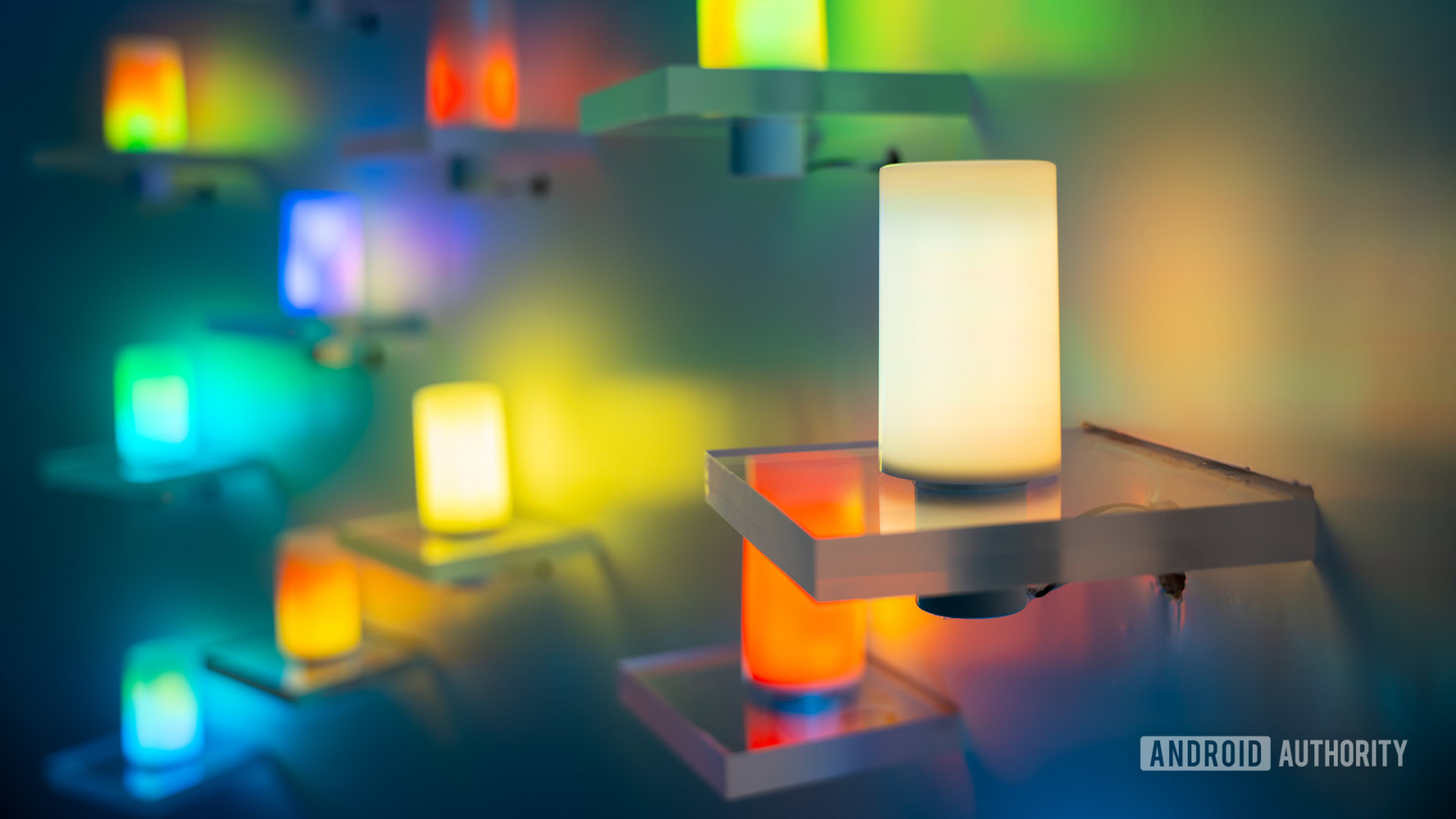
Google has corrected a software issue within its Google Home system that was causing connected smart lights to turn on automatically for people accessing the platform via Apple iOS devices, according to reporting by Matt Horne. The glitch, which triggered connected light bulbs and fixtures to illuminate without input from users or active scheduling commands, affected individuals managing their smart home infrastructure through the iOS version of the Google Home application.
Resolution of the lighting anomaly
According to reporting by Matt Horne, the problem manifested as smart lights switching on by themselves, creating unexpected interruptions for impacted users. The issue was traced back to a specific software bug affecting the iOS ecosystem within Google’s smart home control architecture. Following the identification of the anomaly, Google implemented a software patch designed to halt the spontaneous activation of lighting hardware across affected systems.
Smart lighting represents one of the most widely adopted categories of internet-of-things (IoT) consumer hardware, frequently serving as the foundation for broader home automation networks. When software glitches cause connected lighting fixtures to turn on without command input, the issue disrupts standard household operations and undermines confidence in automated system schedules. With the rollout of the corrective update, platform functionality has been restored to prevent unauthorized state changes in connected lighting equipment.
Cross-platform integration challenges
The occurrence underscores the technical complexities inherent in maintaining cross-platform compatibility for smart home management systems. Google Home operates as a central hub for controlling connected devices across multiple operating systems, including Android and iOS. While Google develops both its smart home framework and the Android operating system, maintaining parity on competing platforms such as Apple's iOS requires continuous alignment between distinct software environments, application programming interfaces (APIs), and background permission structures.
Applications running on iOS operate under specific background processing frameworks and power-management rules established by Apple. When third-party platforms like Google Home interact with hardware across local networks or cloud servers, discrepancies between background application states and server commands can occasionally lead to unexpected execution errors. Bugs of this nature typically occur when background routines incorrectly pass power state commands to connected devices, resulting in lights receiving an activation signal despite no explicit request being submitted by the user.
Smart home reliability and user experience
Unintended device activations pose a persistent challenge in the connected home sector, where user trust relies heavily on system predictability and privacy controls. Smart lights are commonly integrated into complex automation sequences, such as morning routines, motion-triggered security lighting, or scheduled evening dimming. When individual components within the system execute commands independently of defined rules, it creates operational friction and unnecessary energy expenditure.
Beyond energy usage concerns, erratic device behavior can cause frustration during nighttime hours or when residents are away from home. In a fully integrated smart environment, an uncommanded change in lighting status can potentially trigger secondary automations if peripheral sensors or routines are configured to respond to light states. Resolving such glitches quickly is essential for platforms seeking to retain consumer confidence in centralized smart home management apps.
The mechanics of modern IoT patch deployment
The deployment of fixes for cloud-connected smart home applications typically involves updates delivered through digital application storefronts, accompanied by backend synchronization adjustments on cloud infrastructure. Unlike traditional localized hardware where firmware updates must be manually installed on individual devices via local connections, modern smart home hubs interact with software layers hosted both on mobile devices and distributed server networks.
For iOS users experiencing software issues, mobile application updates are distributed through Apple’s App Store. Once the updated software package is installed on the user’s mobile device, the application re-establishes its communication pipeline with connected devices, overwriting flawed control logic. In cases involving ambient lighting, the software update ensures that status requests sent from the mobile interface accurately reflect the physical state of the hardware without generating false activation commands.
Broader context of smart ecosystem maintenance
As consumer adoption of smart home technology expands, major platform developers continuously refine their software architectures to support thousands of third-party hardware manufacturers. The Google Home ecosystem relies on standardized communication protocols to bridge commands between the control app, third-party cloud services, and the physical lighting devices installed in homes.
Given the vast diversity of smart light manufacturers, communication standards, and wireless protocols—such as Wi-Fi, Bluetooth, Zigbee, and Matter—maintaining system stability requires rigorous testing across updates. Platform updates must account for fluctuating network conditions, background application refreshes, and OS-level security updates. Software patches, such as the one implemented to resolve the iOS lighting bug, highlight the ongoing maintenance required to sustain seamless operations across multi-vendor smart home environments.
Operational outlook for connected devices
With the fix deployed to address the rogue lighting issue on iOS, Google Home users are expected to experience normal operations without unexpected light activations. Industry analysts note that ongoing software maintenance remains a fundamental aspect of operating connected home ecosystems, where real-time synchronization between mobile software and physical hardware is essential for maintaining operational reliability.
Users operating Google Home on iOS devices are generally advised to keep their mobile applications updated to the latest available version through standard application store update channels to ensure all recent bug fixes and stability improvements are applied to their local setups.
This story was originally reported by Matt Horne.
How this story was produced
This report was written by The Global Wire newsroom from reporting first published by Matt Horne. We verify the core facts against the original report, write our own account, and add the background and consequences a short wire item leaves out. Drafting is AI-assisted inside an editor-supervised pipeline, and every story is checked for accuracy of attribution, structure and duplication before it appears — full detail in our AI and funding disclosure.
Spotted an error? Tell us at corrections@horizonglobalnews.com and read our corrections policy or editorial standards.




Reader comments
Loading comments…