

Google Cancels Standalone AI App Creation Tool, Moves Feature to Gemini App
The company has scrapped plans for a dedicated application despite 800,000 pre-orders, opting instead to build the functionality directly into Gemini.
By The Global Wire Newsroom · Reported from Adamya Sharma
Link preview · horizonglobalnews.com
Google Cancels Standalone AI App Creation Tool, Moves Feature to Gemini App
The company has scrapped plans for a dedicated application despite 800,000 pre-orders, opting instead to build the functionality directly into Gemini.
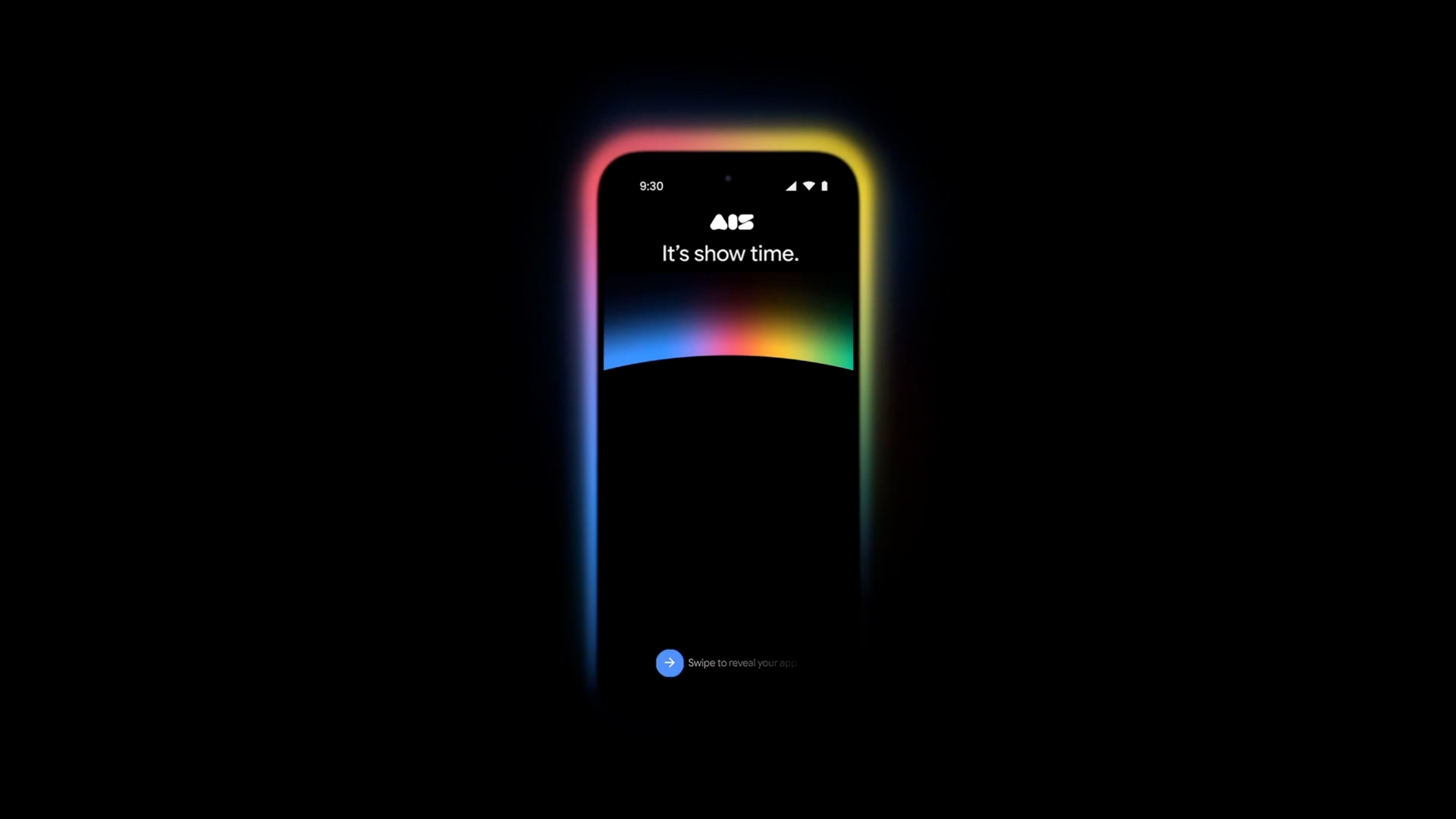
Google has halted the release of a standalone mobile application dedicated to artificial intelligence-powered software development, choosing instead to integrate the tools directly into its primary Gemini application. The cancellation comes after more than 800,000 users had already registered pre-orders for the unreleased title, according to reporting by Adamya Sharma.
The decision reflects an operational pivot away from releasing separate software for individual generative capabilities. By embedding the AI-driven app creation functions into the main Gemini ecosystem, the company aims to streamline user access and eliminate the necessity for customers to download and maintain a standalone client.
Consolidation within the Gemini framework
The decision to cancel the standalone software title highlights Google's broader strategy regarding its flagship artificial intelligence service. Rather than expanding its consumer software portfolio with specialized micro-apps, the organization is increasingly funneling new multimodal tools and generative features into Gemini as a single operational hub.
According to reporting by Adamya Sharma, the company determined that delivering AI app creation tools through Gemini provided a more integrated user experience. Integrating software construction tools directly into an existing conversational interface allows users to leverage existing account settings, subscription tiers, and underlying model capabilities without navigating a separate user interface.
This shift minimizes ecosystem fragmentation. When technology companies launch distinct applications for specialized tasks, they frequently encounter challenges related to long-term software maintenance, user retention, and platform parity. By housing app creation directly within Gemini, Google ensures that updates to its underlying foundation models instantly benefit the software creation workflow.
Significant pre-release interest
The cancellation is notable given the substantial market interest recorded prior to the decision. Reaching 800,000 pre-orders indicates strong consumer demand for automated and prompt-based app development software. In mobile app ecosystems, pre-registration figures serve as a key metric for gauging early adoption and public interest prior to a official deployment.
Users who sign up for pre-orders typically receive automated notifications or automatic downloads upon a product's formal release. With the standalone product now canceled, those pre-registrations will no longer result in a distinct app installation. Instead, prospective creators seeking to use Google's automated app creation features will be directed to access the functionality within the existing Gemini interface.
The high volume of early sign-ups underscores a growing interest among general consumers and professional developers in low-code and no-code solutions driven by artificial intelligence. Tools that translate plain-text prompts into functional application code or user interface mockups have become an increasingly competitive area across the technology sector.
Strategic shift in software distribution
Google's decision highlights an ongoing debate within software design regarding the balance between single-purpose utility applications and multi-functional platform apps. Single-purpose apps often offer tailored interfaces optimized for specific workflows, whereas integrated platform environments offer centralized access to a wider variety of services.
In recent years, major technology providers have tested both models for artificial intelligence features. Specialized tools for image generation, text processing, and code compilation were initially introduced as isolated experimental releases. However, as foundation models have become more versatile, the industry trend has increasingly leaned toward unifying these capabilities under overarching brand identities.
For Google, Gemini serves as the primary portal for its consumer-facing artificial intelligence research. Integrating app creation capabilities directly into Gemini positions the platform not merely as a conversational assistant or search tool, but as an interactive workspace capable of generating executable software on command.
The expanding scope of AI-driven development
AI-powered app creation represents a significant advancement in software engineering tools. Systems trained on extensive code repositories and design frameworks allow users to outline an application's intended functions using natural language. The underlying system then processes those instructions to generate front-end interface components, back-end logic, and data structures.
These automated workflows cater to two main user bases: non-technical creators seeking to build basic utilities without writing manual code, and experienced software engineers looking to accelerate prototyping and lower-level code generation. By combining design layout and logic generation into a single prompt-driven sequence, such systems reduce the technical entry barrier for mobile and web development.
As Google transfers this capacity into Gemini, the interface is expected to leverage the model's broader contextual capabilities. Users interacting with the platform can transition from generating initial software concepts or specifications to constructing functional applications within the same chat session.
Next steps for users and the platform
With the standalone application officially set aside, attention turns to how the app creation workflow will be deployed within the Gemini ecosystem. Google has not outlined a separate release process for the feature set within Gemini, as the tools will be incorporated into the broader platform's feature rollouts.
Existing Gemini users are expected to gain access to the app creation features through standard updates to the primary app. The transition avoids requiring users who had pre-ordered the separate application to create new accounts or set up independent software environments.
Industry analysts monitor decisions of this nature to evaluate how major technology firms manage user expectations and product portfolios during rapid development cycles. Scrapping a project with nearly one million pre-registrations indicates a clear corporate preference for platform consolidation over standalone app proliferation.
This report is based on original reporting by Adamya Sharma.
How this story was produced
This report was written by The Global Wire newsroom from reporting first published by Adamya Sharma. We verify the core facts against the original report, write our own account, and add the background and consequences a short wire item leaves out. Drafting is AI-assisted inside an editor-supervised pipeline, and every story is checked for accuracy of attribution, structure and duplication before it appears — full detail in our AI and funding disclosure.
Spotted an error? Tell us at corrections@horizonglobalnews.com and read our corrections policy or editorial standards.





Reader comments
Loading comments…