

Global Menstrual Biobank Launched to Advance Research on Endometriosis and Heavy Bleeding
A major research effort aims to create the world’s largest menstrual fluid biobank, accelerating the search for non-invasive treatments and diagnostics for severe uterine conditions.
By The Global Wire Newsroom · Reported from Matthew Hill
Link preview · horizonglobalnews.com
Global Menstrual Biobank Launched to Advance Research on Endometriosis and Heavy Bleeding
A major research effort aims to create the world’s largest menstrual fluid biobank, accelerating the search for non-invasive treatments and diagnostics for severe uterine conditions.
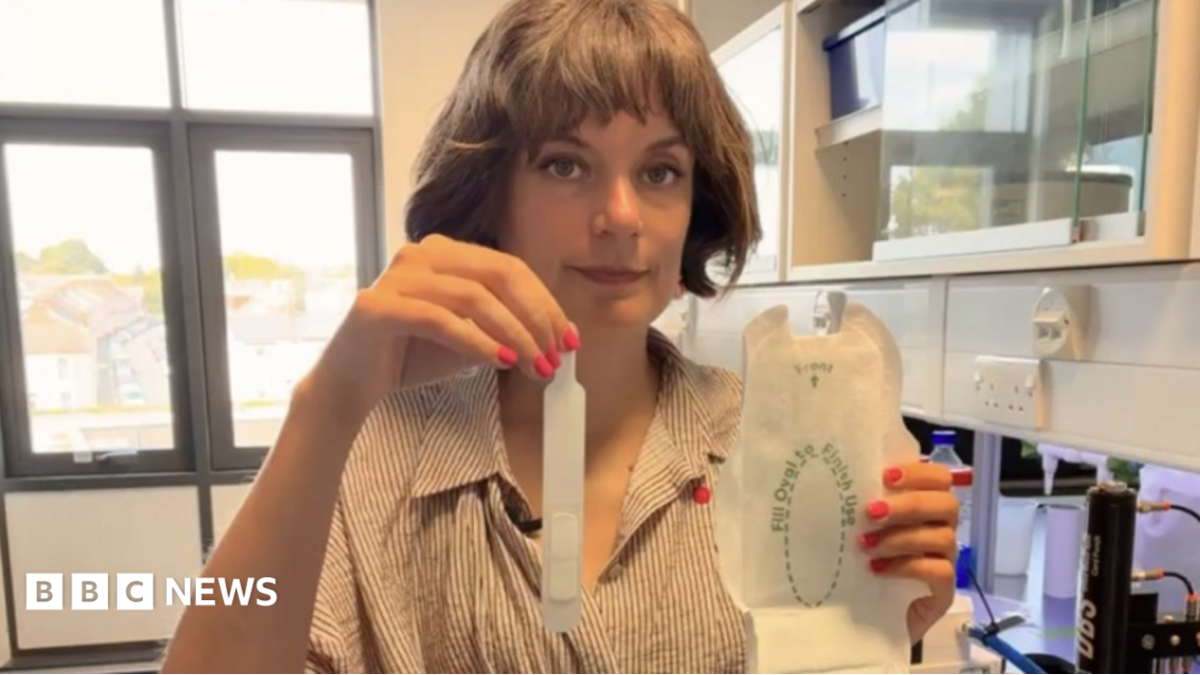
A major medical initiative has been launched to build the world’s largest menstrual fluid biobank, aiming to transform the diagnostic and therapeutic landscape for heavy menstrual bleeding and endometriosis. As reported by journalist Matthew Hill on August 26, 2026, the project gathers menstrual discharge samples to establish a centralized biological repository. By shifting scientific focus toward non-invasive sample collection, researchers seek to uncover the biological mechanisms behind chronic gynecological disorders that affect hundreds of millions of people worldwide.
Key facts
What happened
According to reporting by Matthew Hill on August 26, 2026, scientific researchers are establishing a large-scale biobank focused exclusively on menstrual fluid to drive breakthroughs in female reproductive medicine. The initiative centers on collecting, preserving, and analyzing menstrual discharge provided by volunteers to create a comprehensive biological baseline for healthy and pathological uterine environments.
Menstrual fluid is a complex biological matrix composed of shed endometrial tissue, blood, vaginal secretions, immune cells, microRNAs, and metabolic biomarkers. Historically treated as biological waste in clinical research settings, menstrual fluid offers a direct, non-invasive window into the state of the endometrium. The biobank will store these biological samples under standardized cryopreservation protocols, cataloging molecular and genetic profiles alongside detailed clinical histories provided by donors.
By aggregating data from thousands of participants, researchers aim to identify distinct biological patterns—or biomarkers—that distinguish healthy menstrual cycles from those affected by conditions like endometriosis or menorrhagia. The project provides an accessible resource for biomedical scientists to run genomic, proteomic, and transcriptomic analyses, potentially identifying new cellular targets for pharmacotherapy and enabling early diagnostic screening protocols.
Why it matters
The establishment of a targeted menstrual fluid biobank addresses a critical gap in global healthcare. Endometriosis alone affects an estimated 10 percent of women and girls of reproductive age worldwide, amounting to approximately 190 million individuals according to global public health estimates. Despite its prevalence, patients routinely face severe diagnostic delays averaging between seven and ten years from the onset of symptoms. During this period, individuals often endure chronic pelvic pain, fatigue, pain during intercourse, gastrointestinal distress, and subfertility or outright infertility.
Heavy menstrual bleeding, clinically termed menorrhagia, impacts up to 20 to 30 percent of women at some point during their reproductive years. Beyond the physical toll of severe iron-deficiency anemia and persistent exhaustion, the condition exerts a heavy socio-economic burden, leading to millions of lost working days and school absences annually. In extreme cases, patients undergo invasive major surgeries, such as hysterectomies or ablation procedures, because medical therapy fails or causes unacceptable side effects.
Developing a non-invasive diagnostic test using menstrual fluid could dramatically shorten diagnostic timelines. Rather than waiting years for surgical confirmation, primary care physicians could eventually screen patients using simple menstrual fluid collection kits during standard routine exams. Furthermore, understanding the molecular heterogeneity of these conditions can lead to personalized treatment regimens, sparing patients from ineffective, trial-and-error hormone suppressive therapies.
The background
Gynecological conditions have historically suffered from systemic underfunding and research neglect, a phenomenon frequently described by medical historians as the gender health gap. For decades, biomedical research disproportionately utilized male cellular and animal models, while clinical studies largely ignored the unique physiological dynamics of the human menstrual cycle.
Endometriosis is a complex disease characterized by the growth of tissue similar to the lining of the uterus—the endometrium—outside the uterine cavity. These ectopic lesions commonly implant on the ovaries, fallopian tubes, outer uterine wall, and peritoneal cavity. Driven by cyclic hormonal fluctuations, the lesions bleed, inflame, and cause dense fibrous adhesions that bind internal organs together. Despite its discovery over a century ago, the precise etiology remains debated, with theories ranging from retrograde menstruation and vascular dissemination to cellular metaplasia and immune dysfunction.
Historically, the gold standard for diagnosing endometriosis has required an invasive surgical procedure called a diagnostic laparoscopy. Under general anesthesia, a surgeon inserts a camera through a small abdominal incision to visually identify lesions and collect biopsies. Because imaging techniques like ultrasound and magnetic resonance imaging (MRI) often fail to detect superficial or early-stage lesions, many patients spend years without a formal diagnosis, frequently having their symptoms dismissed as normal menstrual discomfort.
Biobanks have revolutionized precision medicine over the past quarter-century by giving researchers access to massive sets of biological specimens linked to medical data. Initiatives such as the UK Biobank and the All of Us Research Program in the United States have yielded crucial breakthroughs in oncology, cardiology, and neurodegenerative disease. However, gynecological biobanking has traditionally lagged behind, relying on tissue samples obtained during surgery rather than easily accessible biofluids.
In recent years, biological advancements have confirmed that menstrual blood contains abundant functional stem cells, specialized immune cell subsets, and cellular debris that directly reflect the intrauterine environment. Transforming menstrual discharge from biological waste into a high-value research specimen represents a key shift in how clinical researchers approach reproductive medicine.
Reaction
Patient advocacy organizations, medical practitioners, and health researchers have long called for increased investment in non-invasive diagnostic strategies for pelvic pain disorders. While specific organizational statements on this precise biobank launch were not detailed in the original report, the clinical community widely recognizes the urgent need for non-invasive biomarker assays.
Gynecological advocates routinely point out that patient care is severely hindered by the lack of objective diagnostic criteria. Organizations such as the World Endometriosis Society and national advocacy bodies consistently highlight how non-invasive screening tools would lower barriers to care, reduce health system costs associated with repeated emergency department visits, and validate the lived experiences of patients seeking care.
Medical researchers are expected to examine the biobank's methodological framework, specifically looking at how samples are standardized across varied donor demographics and collection protocols. Clinicians will also monitor how prospective biological insights are evaluated in clinical trials before being incorporated into formal practice guidelines.
What we don't know yet
While the creation of the biobank marks a major structural shift, several key operational and scientific details remain unconfirmed in the available reporting. The total participant enrollment target, the exact geographic scope of collection sites, and the specific institutional host or university leading the project were not detailed in the initial report by Matthew Hill.
Additionally, the precise timeline for when the biobank will open its data repositories to external biomedical researchers remains unstated. From a scientific standpoint, it is unknown how quickly biomarkers identified within menstrual fluid samples can be translated into commercially viable, regulatory-approved diagnostic assays suitable for clinical practice.
Questions also remain regarding sample preservation logistics, such as how donor variation—including the use of hormonal contraceptives, age, parity, and concurrent inflammatory health conditions—will be accounted for in the baseline reference datasets. These parameters will be critical in determining the biobank's ultimate clinical applicability.
What to watch
Key milestones over the coming months will indicate the progress and impact of the menstrual fluid biobank initiative. Researchers and clinical observers will track initial participant enrollment metrics, donor recruitment criteria, and the publication of standardized biobanking protocols.
Watch for early analytical studies published in peer-reviewed medical journals that demonstrate proof-of-concept biomarker identification for endometriosis or adenomyosis using menstrual fluid matrices. Diagnostic development partnerships between academic institutions and biotechnology companies will serve as another key indicator that biobank findings are moving toward clinical translation.
Furthermore, monitor whether regulatory bodies such as the U.S. Food and Drug Administration (FDA) or the European Medicines Agency (EMA) issue guidance on validation standards for fluid-based gynecological diagnostics, which could accelerate the arrival of non-invasive screening tools in clinical settings.
This account is based on original reporting published by journalist Matthew Hill on August 26, 2026.
How this story was produced
This report was written by The Global Wire newsroom from reporting first published by Matthew Hill. We verify the core facts against the original report, write our own account, and add the background and consequences a short wire item leaves out. Drafting is AI-assisted inside an editor-supervised pipeline, and every story is checked for accuracy of attribution, structure and duplication before it appears — full detail in our AI and funding disclosure.
Spotted an error? Tell us at corrections@horizonglobalnews.com and read our corrections policy or editorial standards.


Reader comments
Loading comments…