

Cryptocurrency Security Breach Targeting Trusted Bitcoin Tool Tests Investor Confidence
News of a security breach targeting a widely trusted Bitcoin tool reached vacationing holders, underscoring persistent self-custody risks across the digital asset industry.
By The Global Wire Newsroom · Reported from Ryan Weeks; Anna Irrera
Link preview · horizonglobalnews.com
Cryptocurrency Security Breach Targeting Trusted Bitcoin Tool Tests Investor Confidence
News of a security breach targeting a widely trusted Bitcoin tool reached vacationing holders, underscoring persistent self-custody risks across the digital asset industry.
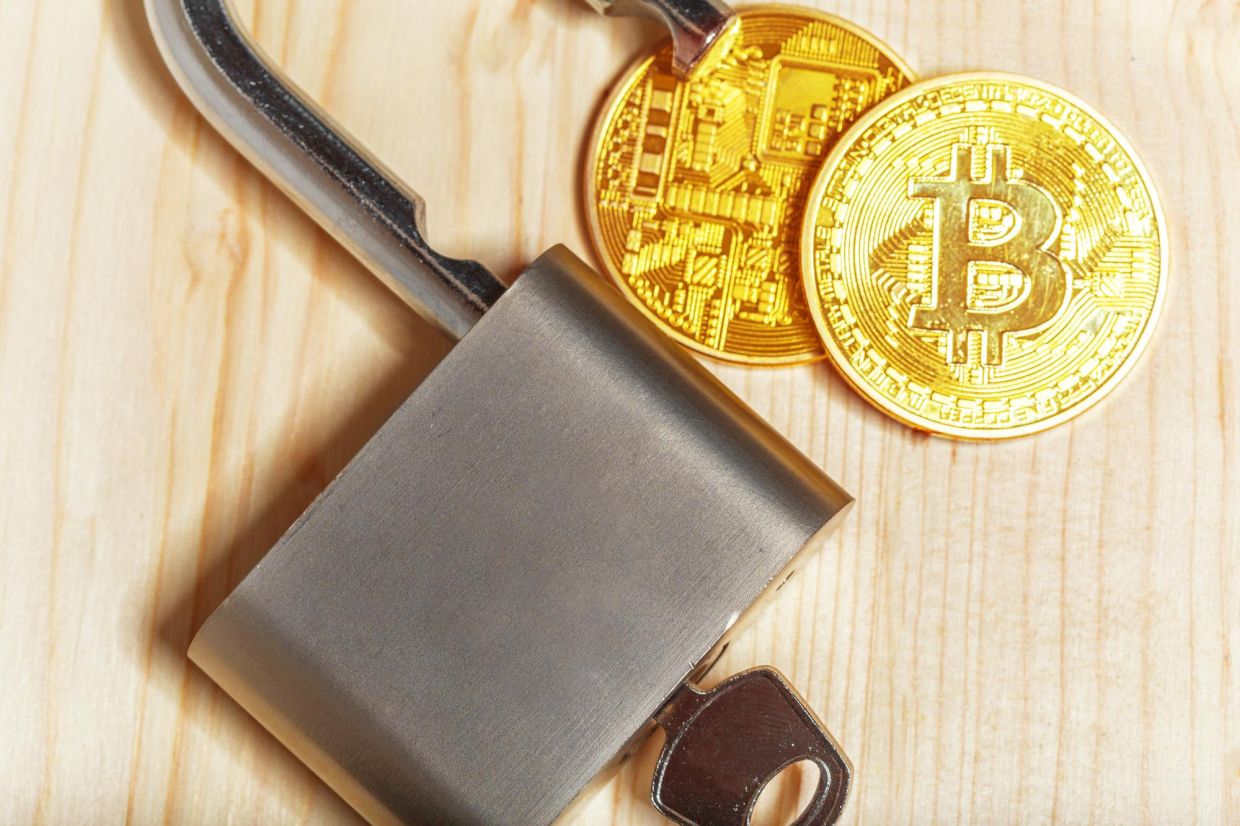
A security breach targeting a digital asset tool widely regarded as safe by cryptocurrency users has raised fresh concerns over software reliability and private key security, according to reporting by journalists Ryan Weeks and Anna Irrera. Among those affected was investor Tim Lamb, who learned of the exploit while vacationing with his family in the Channel Islands last week. The incident underscores the persistent vulnerabilities facing even the most dedicated market participants who rely on specialized utilities to safeguard their digital holdings.
Details of the incident
According to reporting by Ryan Weeks and Anna Irrera, news of the compromised software tool broke while users were away from their primary trading setups, creating immediate complications for asset management. For investors like Tim Lamb, receiving notice of a potential compromise while on a family holiday in the Channel Islands emphasized the remote and unpredictable nature of digital asset security risks.
The compromised tool had previously enjoyed a solid reputation for safety among dedicated Bitcoin users. In the cryptocurrency sector, software utilities designed to facilitate transaction signing, address management, or wallet interactions are frequently viewed as essential infrastructure for self-custody. When such utilities suffer exploits or unauthorized intrusions, users are often left scrambling to verify whether their underlying cryptographic keys or funds remain intact.
Impact on committed investors
The incident highlights a recurring point of tension within the digital asset ecosystem: the strain placed on long-term believers when trusted infrastructure fails. Devoted cryptocurrency participants, often referred to as long-term holders or advocates, frequently adhere to strict security protocols to shield their assets from centralized exchange failures, phishing campaigns, and network-level attacks.
When tools specifically designed or trusted to maintain safe custody are compromised, the breach tests the conviction of those who have championed decentralized systems and self-sovereignty. Rather than isolated retail traders seeking short-term speculative gains, tools of this nature typically attract experienced users who prioritize security and self-custody principles. Consequently, vulnerabilities in these platforms can exert a disproportionate psychological and operational toll on the core community supporting the ecosystem.
The landscape of digital asset security
Cryptocurrency security rests on cryptographic architecture, but the software, user interfaces, and third-party tools that interface with blockchains remain vulnerable to technical flaws and malicious exploitation. Across the digital asset industry, exploits generally stem from several vectors: smart contract bugs, compromised software updates, key extraction vulnerabilities, and social engineering attacks.
While underlying blockchain networks like Bitcoin operate on consensus mechanisms designed to prevent unauthorized altering of the ledger, the secondary layer of applications—including wallet software, browser extensions, key management tools, and hardware device utilities—presents a broader attack surface. Security analysts frequently note that while base-level cryptography is mathematically robust, the software applications built to interact with cryptographic keys are often where vulnerabilities manifest.
For individual holders managing their own private keys, self-custody requires constant vigilance. Third-party utilities are frequently utilized to simplify complex procedures, such as multisignature transaction setups or cold-storage coordination. When a utility in this chain of trust is breached, the foundational premise of self-custody—that an individual retains sole control and security over their wealth—is severely challenged.
Operational challenges for remote holders
The timing of security incidents often compounds the difficulty for affected individuals. As demonstrated by the experience of Tim Lamb in the Channel Islands, news of potential exploits frequently reaches asset holders while they are traveling, away from secure hardware, or without immediate access to backup keys and secure internet connections.
In traditional banking systems, a customer notified of a potential breach can typically contact a centralized institution to freeze accounts, reverse fraudulent transfers, or issue replacement credentials. In contrast, public blockchain transactions are immutable and irreversible once confirmed on the network. An investor receiving news of a security event while on vacation faces an asymmetric challenge: moving funds to a fresh wallet requires access to private keys and secure recovery seeds, tools that travelers rarely carry due to physical loss and theft risks.
This operational dilemma reinforces the elevated risk profile of self-directed digital asset management, where delayed action by even a few hours can mean the difference between securing assets and sustaining irreversible losses.
Broader industry implications
The breach of a utility widely considered secure by the community arrives amid ongoing debate regarding security standards, software auditing, and developer responsibility in the digital asset sector. Regulators and industry advocates alike have increasingly focused on the reliability of software protocols and the liabilities associated with tools used to handle high-value digital keys.
Security audits, peer review of code bases, and bug bounty programs are standard practices employed by developers to identify potential flaws prior to malicious exploitation. However, as software tools grow in complexity to accommodate advanced user requirements, absolute immunity from software bugs or supply chain attacks remains difficult to achieve.
Each major security incident tends to prompt a re-evaluation of best practices among individual holders and institutional entities alike. In the aftermath of exploits targeting widely trusted utilities, market participants often migrate toward simpler key management architectures, redundant multisignature configurations, or air-gapped physical devices to minimize reliance on any single software tool.
Future outlook for custody standards
As the digital asset market matures, the tension between user convenience and absolute security remains one of its most persistent hurdles. Software tools that aim to streamline key management or transaction preparation serve a critical role in user adoption, yet every additional layer of abstraction introduces potential vectors of failure.
For devoted market participants, incidents of this nature serve as a stark reminder of the inherent risks embedded in self-custody and digital asset stewardship. Restoring confidence following an exploit requires transparent technical post-mortems, rigorous code remediation, and an ongoing commitment to open-source security principles across the developer community.
This report is based on original reporting by Ryan Weeks and Anna Irrera.
How this story was produced
This report was written by The Global Wire newsroom from reporting first published by Ryan Weeks; Anna Irrera. We verify the core facts against the original report, write our own account, and add the background and consequences a short wire item leaves out. Drafting is AI-assisted inside an editor-supervised pipeline, and every story is checked for accuracy of attribution, structure and duplication before it appears — full detail in our AI and funding disclosure.
Spotted an error? Tell us at corrections@horizonglobalnews.com and read our corrections policy or editorial standards.





Reader comments
Loading comments…