

Coalition of 38 Nations Warns of Heightened Nuclear Disaster Risk Across Ukraine
Nuclear regulators from 38 nations have demanded an end to strikes on Ukraine's energy network, warning that winter grid collapses threaten reactor cooling systems.
By The Global Wire Newsroom · Reported from Atharva Gosavi
Link preview · horizonglobalnews.com
Coalition of 38 Nations Warns of Heightened Nuclear Disaster Risk Across Ukraine
Nuclear regulators from 38 nations have demanded an end to strikes on Ukraine's energy network, warning that winter grid collapses threaten reactor cooling systems.
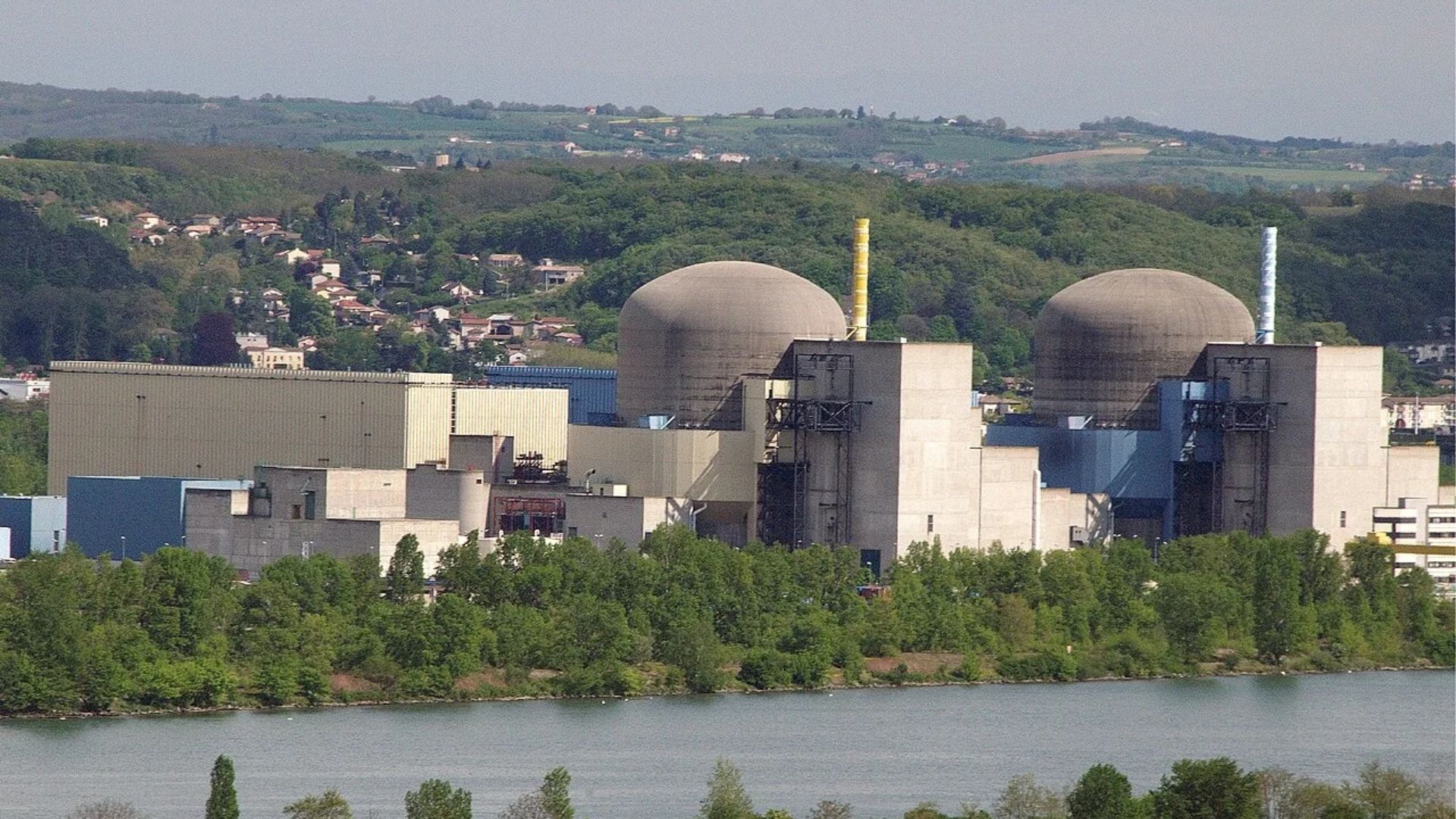
A coalition of 38 countries and their atomic energy regulators has issued an urgent appeal demanding an immediate halt to attacks targeting Ukraine's civilian electrical infrastructure, warning that escalating winter power failures significantly elevate the probability of a catastrophic nuclear accident. In a joint declaration, the regulatory authorities cautioned that continued bombardment of high-voltage transmission lines, substations, and generation assets strips commercial reactors of external power supplies required to maintain active circulation in reactor cores and spent fuel pools. With sub-zero temperatures driving domestic heating demands and stressing an already fractured national grid, the regulators warned that relying on emergency backup systems creates an unacceptable vulnerability that could trigger fuel melting and widespread radiological contamination.
Key facts
What happened
Nuclear safety regulators representing 38 partner nations coordinated a formal intervention calling on the Russian Federation to cease all kinetic strikes on Ukraine's electrical distribution and generation networks, as reported by Atharva Gosavi. The regulatory authorities highlighted that ongoing destruction directed at civilian energy transmission nodes has imperiled the fundamental cooling systems required to maintain reactor safety across Ukraine's operational and decommissioned atomic facilities.
Modern commercial light-water reactors, such as the Soviet-designed VVER pressurized water units operated across Ukraine, demand continuous electrical energy to circulate water across the reactor core, even after the fission process is halted. When outside transmission lines are severed by missile strikes, drone barrages, or resulting frequency instabilities across the national synchronized grid, automated safety mechanisms initiate emergency shutdowns, known as scrams. However, shutting down the chain reaction does not instantly eliminate thermal risk; residual decay heat generated by short-lived fission products continues to release immense thermal energy. Without reliable off-site electricity to power high-capacity residual heat removal pumps, the reactor coolant water will rapidly heat, boil off, and expose fuel rods to ambient air, risking zirconium-clad oxidation, hydrogen generation, and core meltdown.
According to the reporting by Atharva Gosavi, the international regulators highlighted that winter operating conditions compound every structural risk factor. Freezing temperatures increase line sag, ice accumulation, and mechanical failure rates on overhead transmission corridors, while civilian demand for electric heating drives nationwide grid loads to peak annual levels. In this environment, unexpected line trips can propagate regional grid collapses, isolating nuclear plants from external electricity and leaving critical safety cooling dependent on isolated, emergency backup diesel generators.
Why it matters
Nuclear safety is not confined within national borders, and the degradation of safety margins at Ukrainian facilities presents concrete hazards across continental Europe. A primary containment failure or spent fuel pool fire caused by extended station blackout conditions would release volatile isotopes, including iodine-131, cesium-134, and cesium-137, into upper atmospheric air currents. Depending on the prevailing meteorological winds at the moment of release, radiological plumes could traverse neighboring states across Eastern and Central Europe, requiring extensive public health advisories, iodine prophylaxis distribution, agricultural bans, and long-term land exclusions.
Beyond the immediate radiological peril, the stability of Ukraine's nuclear facilities is inseparable from the humanitarian survival of its civilian population during the coldest months of the year. Nuclear energy has historically supplied more than half of Ukraine's domestic baseload electricity. When external grid lines are severed, nuclear stations are forced to disconnect or radically throttle back generation to prevent turbine-generator overspeed and electrical damage, immediately subtracting thousands of megawatts of baseload power from municipal heating, municipal water pumping, and hospital networks. For European electricity markets that integrated with Ukraine's transmission system via the European Network of Transmission System Operators for Electricity (ENTSO-E), deep grid instability along the eastern frontier complicates continent-wide power balancing and heightens transmission volatility during seasonal demand peaks.
The background
Ukraine is one of the world's most nuclear-reliant economies, operating four commercial nuclear power plants housing a total of 15 pressurized water reactors prior to the outbreak of full-scale war in February 2022. These include the Zaporizhzhia Nuclear Power Plant—Europe's largest atomic generation complex with six VVER-1000 units—along with the South Ukraine Nuclear Power Plant in Mykolaiv Oblast, the Rivne Nuclear Power Plant in the northwest, and the Khmelnytskyi Nuclear Power Plant in western Ukraine. In addition, the decommissioned Chornobyl complex in the north requires continuous auxiliary power to ventilate and monitor damaged unit four and safely cool thousands of stored spent fuel assemblies.
Since the beginning of hostilities, atomic energy installations have repeatedly faced direct and indirect operational perils. The Zaporizhzhia station fell under Russian military occupation in March 2022 and has since suffered repeated total station blackouts, forcing station personnel to repeatedly scramble onsite emergency diesel generators to avoid cooling failures. While all six Zaporizhzhia reactors were eventually transitioned into cold shutdown states to lower operational decay heat levels, cooling water circulation remains mandatory to prevent thermal buildup.
Beginning in the autumn of 2022, systematic missile and drone bombardments targeted Ukraine's 750-kilovolt (kV) and 330-kV bulk transmission networks, high-voltage autotransformers, and thermal power generation stations. These attacks were engineered to collapse the unified power grid. The International Atomic Energy Agency (IAEA), established under United Nations auspices to enforce atomic safeguards and safety norms, formulated seven indispensable pillars for nuclear safety during armed conflict. The fourth pillar explicitly dictates that all nuclear facilities must maintain secure, uninterrupted off-site power supplies from the electrical grid. Despite permanent IAEA monitoring missions stationed at every active Ukrainian facility, repeated regional grid failures have repeatedly tripped the high-voltage lines feeding the Rivne, South Ukraine, and Khmelnytskyi plants, forcing reactors to disconnect from the grid and lean precariously on local safety systems.
Emergency diesel generators are engineered exclusively as short-term bridge systems, not sustained primary power plants. They contain finite day-tanks of fuel, depend on complex mechanical linkages, require continuous logistical deliveries of diesel oil over damaged transportation routes, and are vulnerable to mechanical fatigue or cooling failures when operated uninterrupted for dozens or hundreds of hours.
Reaction
The coordinated warning by the 38 nuclear regulators serves as a significant regulatory intervention intended to apply diplomatic pressure through multilateral energy safety forums. The regulators directed their warnings directly to Moscow, urging an end to targeted kinetic actions against the transmission grid that underpins reactor operations.
While the primary reporting outlines the stance of the 38 signatory nations, formal diplomatic responses from the Russian Federation to similar safety entreaties have historically denied intentionally targeting atomic safety architecture, claiming instead that strikes are restricted to military-linked logistics and infrastructure. Within Ukraine, national grid operator Ukrenergo and state nuclear operator Energoatom are expected to leverage the 38-nation statement to press Western allies for accelerated air defense deliveries, including additional surface-to-air missile batteries and interceptors specifically tasked with guarding 750-kV transformer yards.
The International Atomic Energy Agency and its director general, Rafael Mariano Grossi, have consistently maintained that grid vulnerability represents one of the most volatile variables in the ongoing conflict, repeatedly emphasizing before the United Nations Security Council that the fragile electrical lifeline supporting Ukrainian reactors remains under extreme stress.
What we don't know yet
The public release documented by Atharva Gosavi leaves several operational and political questions open. The announcement does not enumerate the complete roster of the 38 signatory nations, nor does it detail whether the declaration was coordinated through a permanent statutory body such as the Western European Nuclear Regulators Association (WENRA) or an ad-hoc coalition formed for this specific seasonal warning.
Furthermore, the precise current fuel reserves and operational endurance ratings for the emergency backup systems at Ukraine's active stations remain classified for operational security reasons. It is unknown how many days of diesel fuel are currently buffered inside the fortified bunkers of the Rivne, Khmelnytskyi, and South Ukraine plants, or how readily fuel transport convoys could reach those complexes in the event of heavy snowfall, ice storms, and concomitant road damage. It also remains unverified whether Western technical assistance programs have successfully installed auxiliary containerized gas turbine generators or alternative micro-grid connections at those sites to provide additional redundancy beyond traditional diesel generators.
What to watch
Several concrete factors and indicators will determine whether the regulators' warnings precede a systemic nuclear crisis in the coming months:
This article is based on reporting published by Atharva Gosavi regarding the joint nuclear safety warning issued by 38 nations.
How this story was produced
This report was written by The Global Wire newsroom from reporting first published by Atharva Gosavi. We verify the core facts against the original report, write our own account, and add the background and consequences a short wire item leaves out. Drafting is AI-assisted inside an editor-supervised pipeline, and every story is checked for accuracy of attribution, structure and duplication before it appears — full detail in our AI and funding disclosure.
Spotted an error? Tell us at corrections@horizonglobalnews.com and read our corrections policy or editorial standards.





Reader comments
Loading comments…