

Chinese Scientists Engineer Electric Comb Delivering Gene Therapy to Stimulate Hair Regrowth
A novel grooming device combines localized electrical stimulation with targeted genetic treatments to activate dormant hair follicles.
By The Global Wire Newsroom · Reported from Mike McRae
Link preview · horizonglobalnews.com
Chinese Scientists Engineer Electric Comb Delivering Gene Therapy to Stimulate Hair Regrowth
A novel grooming device combines localized electrical stimulation with targeted genetic treatments to activate dormant hair follicles.
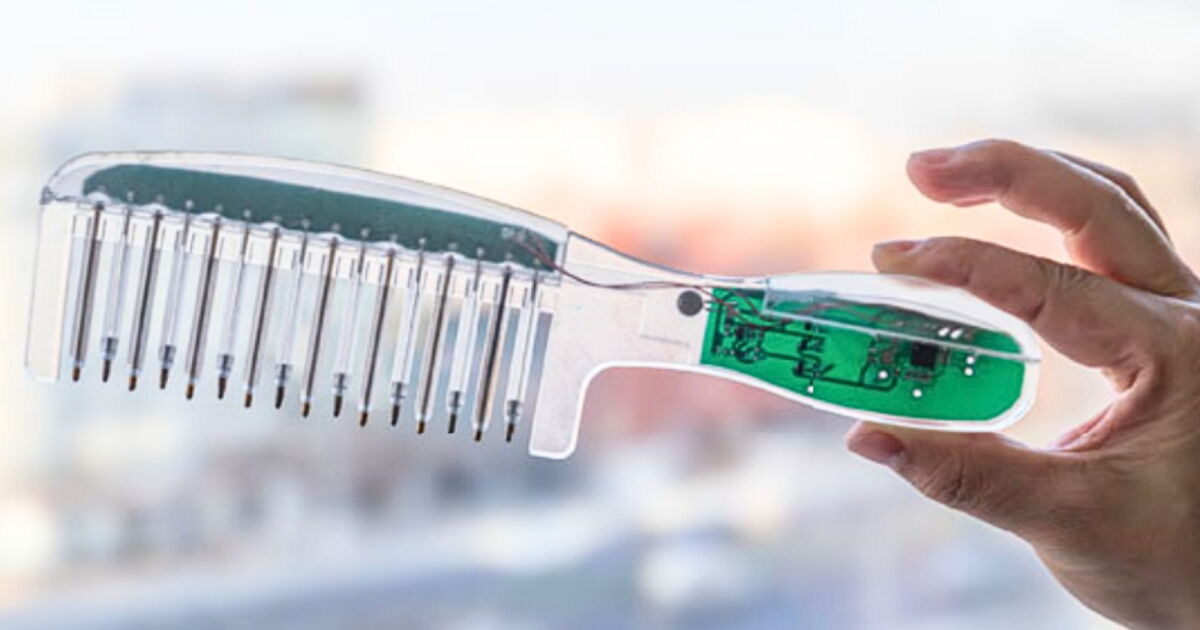
Researchers in China have developed a specialized comb designed to treat pattern baldness by administering targeted electrical pulses alongside genetic therapies directly to the scalp. The dual-action grooming prototype seeks to overcome historical barriers in dermatological medicine by pairing physical tissue stimulation with molecular therapeutics, offering a potential alternative to conventional chemical lotions and invasive surgical procedures. The development, detailed in reporting by science writer Mike McRae, focuses on reactivating miniaturized and dormant hair follicles before irreversible shedding occurs.
Key facts
What happened
Rather than treating a hair comb as a passive implement for styling thinning hair, a biomedical research team in China modified the apparatus into an active therapeutic delivery platform, according to reporting by Mike McRae. The modified instrument applies controlled electrical waveforms to the epidermis while simultaneously dispensing specialized genetic treatments intended to stimulate follicle maintenance and growth cycles.
At the cellular level, the approach relies on localized electrostimulation to modify the physiological environment of the scalp. Applying low-level electrical fields to human or mammalian tissue produces transient structural alterations in cellular membranes—a phenomenon known in biophysics as electroporation. By momentarily destabilizing the lipid bilayer of epidermal and follicular cells, the comb creates micro-pathways that allow macromolecules, including therapeutic genetic sequences, to pass through the skin barrier and enter follicular target cells far more effectively than passive topical application allows.
Simultaneously, the electrical currents themselves provide mechanical and biochemical cues to the surrounding tissue. Microcurrent stimulation has long been documented to stimulate local capillary blood flow, increase adenosine triphosphate synthesis within cellular mitochondria, and encourage cellular proliferation. By pairing these bioelectric effects with active genetic treatments aimed at downregulating miniaturization signals or upregulating growth factors, the prototype comb attempts a coordinated, two-pronged assault on follicle dormancy.
Why it matters
The development addresses one of the most widespread and commercially lucrative challenges in aesthetic dermatology: androgenetic alopecia, commonly known as male- or female-pattern baldness. Worldwide, androgenetic alopecia affects an estimated 50 percent of men by age 50 and up to 40 percent of women over their lifetimes. The global market for hair restoration and hair loss treatment was valued at more than $10 billion entering the mid-2020s, driven by consumer demand for non-invasive and sustainable alternatives to hair transplant surgery.
Despite the massive market, the medical toolkit for halting or reversing hair thinning has seen limited fundamental innovation for decades. Most commercially available consumer gadgets, such as battery-powered vibrating scalp massagers or low-level laser therapy helmets, offer modest or inconsistent results when used in isolation. At the same time, conventional pharmaceutical interventions require lifetime adherence and can carry systemic side effects. Oral systemic therapies frequently raise concerns regarding hormonal balances, while topical lotions often suffer from poor patient compliance due to scalp irritation or greasy residues.
If the technology reported by McRae successfully bridges the gap between laboratory benchwork and consumer dermatology, it could introduce an entirely new category of home-use therapeutic hardware. By localizing both the genetic intervention and the electrical stimulus to the scalp, the technique could potentially reduce systemic drug exposure while enhancing localized therapeutic potency. This dual modality also provides proof of concept for treating other localized dermatological conditions through targeted bioelectronic drug administration.
The background
Hair follicles cycle continuously through three primary phases: anagen (the active growth phase, lasting two to seven years), catagen (a brief transitional regression phase lasting several weeks), and telogen (a resting phase lasting several months, concluding with the shedding of the hair shaft). In androgenetic alopecia, genetically predisposed follicles are progressively miniaturized under the influence of dihydrotestosterone, a potent androgen converted from testosterone by the enzyme 5-alpha reductase. Over successive cycles, the anagen phase becomes increasingly compressed, the dermal papilla shrinks, and terminal hairs gradually degrade into fine, barely visible vellus hairs before the follicle ceases activity entirely.
To date, global regulatory agencies have approved very few pharmacotherapies to disrupt this cycle. The United States Food and Drug Administration approved topical minoxidil for male pattern baldness in 1988 and for female pattern hair loss in 1991, followed by the approval of oral finasteride for men in 1997. While finasteride works systemically by inhibiting 5-alpha reductase and minoxidil works locally as a potassium channel opener and vasodilator, neither addresses the underlying genetic cascades that govern follicular stem cell exhaustion. In 2007, regulatory clearances expanded to include low-level light therapy devices, though clinical efficacy across diverse populations has remained variable.
In recent years, molecular biologists have sought to intervene directly in follicular signaling pathways, particularly the Wnt/beta-catenin and sonic hedgehog pathways, which govern hair cycle activation. Delivering gene therapies, such as small interfering RNA or growth-factor-encoding plasmids, to the hair follicle has faced steep obstacles. The stratum corneum, the outermost layer of the human skin, forms a formidable physical barrier against large or charged genetic molecules. While hypodermic injections and micro-needling can bypass this layer mechanically, they cause discomfort, carry infection risks, and require repeated clinical visits. Non-invasive physical delivery mechanisms, including iontophoresis and electroporation, have emerged as leading experimental solutions to deliver genetic materials without needles.
Reaction
The announcement of integrated electro-genetic grooming devices has drawn acute interest from dermatologists, biomedical engineers, and consumer technology analysts, though experts emphasize the need for rigorous, peer-reviewed clinical validation. Medical dermatologists typically view novel consumer-facing hair loss technology through a lens of cautious skepticism, noting that the wellness and cosmetic sectors have historically marketed unproven physical stimulation devices to vulnerable consumers without solid clinical trials.
Regulatory authorities in major jurisdictions, including the National Medical Products Administration in China, the U.S. Food and Drug Administration, and the European Medicines Agency, are expected to scrutinize the dual-nature classification of any such device. Because the apparatus combines a physical energy-delivering hardware system with an active biological or genetic formulation, it falls under the complex regulatory framework governing combination products. Regulators will demand comprehensive toxicological data proving that electrical parameters do not cause localized tissue burns or permanent nerve damage, and that the genetic cargo does not trigger uncontrolled cellular proliferation or off-target mutations.
Industry observers anticipate that commercial development partners will closely assess the scalability of manufacturing such devices. While electronic combs and brushes are inexpensive to mass-produce, formulating stable, shelf-stable genetic treatments capable of being stored at room temperature and dispensed reliably through a domestic appliance presents a formidable engineering and supply-chain hurdle.
What we don't know yet
Significant gaps remain regarding the precise technical and clinical parameters of the Chinese research team's invention. The available summary reporting does not disclose the specific biological targets of the genetic therapies deployed, such as whether the treatment utilizes RNA interference to silence androgen receptors or messenger RNA to boost vascular endothelial growth factors. Furthermore, the exact voltage, frequency, and pulse duration of the electrical stimulation have not been detailed publicly.
Crucially, it remains unverified whether the system has been tested exclusively on murine animal models, ex vivo human skin cultures, or living human subjects in formal clinical trials. Human scalp tissue possesses distinct architectural characteristics—including thicker epidermis, higher sebaceous gland density, and deeper subcutaneous follicle placement—that frequently present greater delivery challenges than rodent skin. Additionally, the durability of any observed hair regrowth is unknown; researchers have not yet demonstrated whether follicles retain their regenerated vigor after treatment cessation or whether perpetual administration is required.
What to watch
The immediate next milestone will be the publication of full, peer-reviewed experimental datasets in an established biomedical or bioengineering journal. Observers will examine whether the researchers achieved statistically significant increases in hair shaft density, follicular diameter, and anagen-to-telogen ratios compared against standard control groups and active minoxidil benchmarks.
Following peer review, attention will shift toward prospective early-phase human trials. Observers should watch for trial registrations on clinical research databases such as ClinicalTrials.gov or the Chinese Clinical Trial Registry. These filings will clarify dosage regimens, safety metrics, patient inclusion criteria, and formal delivery timelines. Finally, the commercial path will depend on whether the research institution pursues intellectual property licensing agreements with established pharmaceutical or dermatological hardware manufacturers capable of financing Phase II and Phase III clinical trials.
This article includes reporting originally published by science journalist Mike McRae.
How this story was produced
This report was written by The Global Wire newsroom from reporting first published by Mike McRae. We verify the core facts against the original report, write our own account, and add the background and consequences a short wire item leaves out. Drafting is AI-assisted inside an editor-supervised pipeline, and every story is checked for accuracy of attribution, structure and duplication before it appears — full detail in our AI and funding disclosure.
Spotted an error? Tell us at corrections@horizonglobalnews.com and read our corrections policy or editorial standards.





Reader comments
Loading comments…