

Apple Unveils Apple Watch Ultra 4 with Enhanced Heart Tracking and Extended Battery Life
The latest premium smartwatch integrates internal hardware from the Series 12 line alongside expanded heart health monitoring capabilities and improved operational battery performance.
By The Global Wire Newsroom · Reported from Ian Carlos Campbell
Link preview · horizonglobalnews.com
Apple Unveils Apple Watch Ultra 4 with Enhanced Heart Tracking and Extended Battery Life
The latest premium smartwatch integrates internal hardware from the Series 12 line alongside expanded heart health monitoring capabilities and improved operational battery performance.
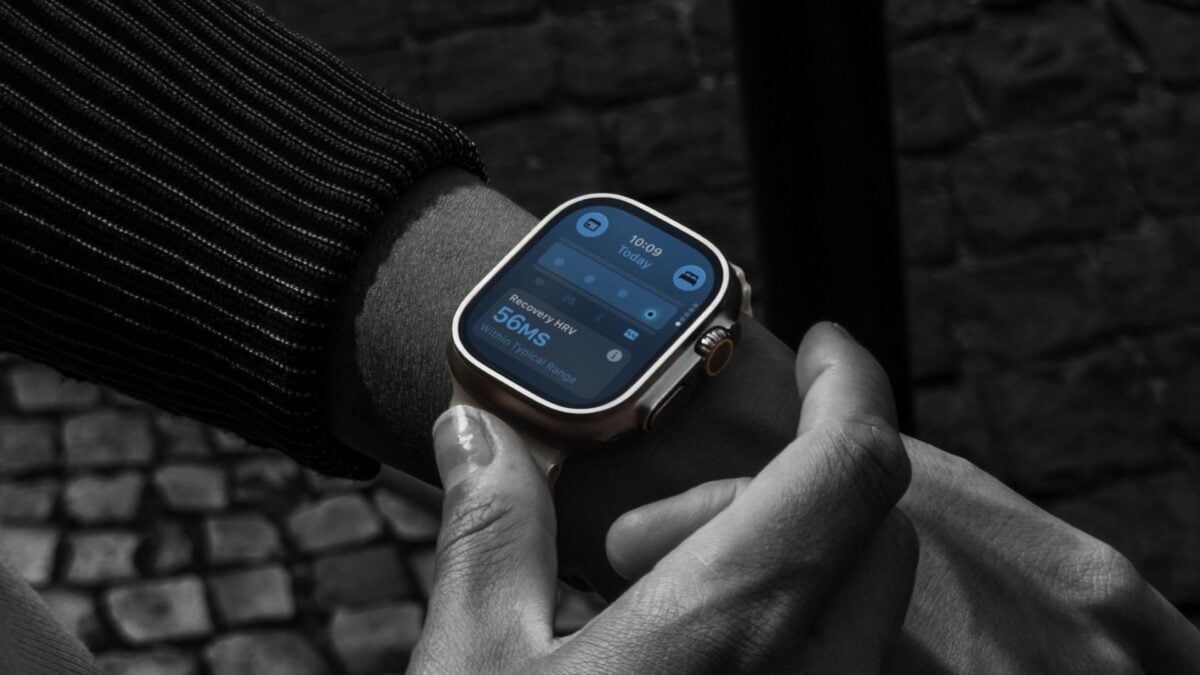
Apple Inc. unveiled its high-end smartwatch, the Apple Watch Ultra 4, featuring enhanced heart health monitoring capabilities, updated internal processing architecture shared with the contemporary Apple Watch Series 12, and extended battery endurance, according to reporting by tech journalist Ian Carlos Campbell on September 9, 2026. The announcement marks the latest iteration in Apple's premium rugged wearable lineup, positioning the device at the intersection of extreme sports performance and non-invasive personal health diagnostics. The flagship wearable incorporates updated hardware components designed to expand personal biometric monitoring while extending operational life between charges.
Key facts
What happened
According to reporting by Ian Carlos Campbell, Apple introduced the Apple Watch Ultra 4 as its premier smartwatch offering on September 9, 2026. The product refresh integrates the updated internal processing architecture debuted in the mainstream Apple Watch Series 12, unifying system-on-chip performance across Apple's flagship wearable portfolio.
Central to the Ultra 4 update is an upgraded suite of cardiovascular monitoring tools. While exact technical specifications regarding sensor hardware remain tied to official product documentation, reporting indicates that the device expands upon Apple's established heart metrics, offering refined tracking intended to assist users in monitoring cardiac performance and identifying potential physiological anomalies.
In addition to cardiovascular enhancements, the Apple Watch Ultra 4 delivers extended battery endurance compared to earlier generations. Battery longevity has historically served as a primary point of differentiation for the Ultra series, which caters to endurance athletes, hikers, and outdoor enthusiasts who require extended runtime without frequent access to power outlets. The integration of the Series 12 internal components provides processing efficiencies designed to support these power management improvements.
Why it matters
The introduction of the Apple Watch Ultra 4 underscores the growing convergence between high-end fitness equipment and personal health diagnostic tools. For consumers, incremental updates in wearable battery performance and cardiac tracking directly impact daily utility. Extended battery life addresses long-standing operational constraints in consumer smartwatches, enabling continuous overnight monitoring for sleep metrics and multi-day expedition tracking without requiring middle-of-day charging cycles.
From an industry and regulatory perspective, the emphasis on heart health capabilities reflects the expanding role of consumer wrist-worn devices in early detection and preventative medicine. Consumer wearables increasingly collect actionable physiological data that users present to healthcare providers. As tech manufacturers enhance sensor accuracy and diagnostic algorithm capabilities, these consumer products face greater scrutiny from medical professionals and health regulators who evaluate the distinction between consumer wellness tracking and medical-grade diagnostic equipment.
In the global smart wearables market, high-margin premium devices like the Apple Watch Ultra series drive substantial revenue growth for hardware manufacturers. By combining the processing power of the main Series 12 lineup with the specialized ruggedized frame and extended battery capacity of the Ultra line, Apple aims to maintain its market share against competitive offerings from specialized outdoor and sports display manufacturers such as Garmin, as well as ecosystem competitors like Samsung and Google.
The background
Apple entered the smartwatch category in April 2015 with the launch of the original Apple Watch. Initially marketed primarily as a fashion accessory and smartphone companion, the product line shifted heavily toward fitness and personal health monitoring in subsequent generations. A pivotal development occurred in September 2018 with the release of the Apple Watch Series 4, which introduced an electrical heart rate sensor capable of taking an electrocardiogram (ECG) directly from the wearer's wrist, alongside notifications for irregular heart rhythms such as atrial fibrillation. These features received clearance from the United States Food and Drug Administration (FDA) as Class II medical software.
In September 2022, Apple expanded its smartwatch lineup by introducing the original Apple Watch Ultra. Housed in a 49mm titanium case with flat sapphire front crystal, the device was engineered specifically for extreme conditions, endurance sports, and scuba diving, offering up to 36 hours of standard battery life and up to 60 hours in low-power modes—nearly double the runtime of standard Apple Watch models. Subsequent iterations, including the Apple Watch Ultra 2 released in September 2023, introduced system-in-package (SiP) chip upgrades that enabled faster on-device Siri processing and expanded brightness levels.
The health tracking capabilities of wearable devices rely on photoplethysmography (PPG)—using light-emitting diodes and photodiode sensors to measure blood volume changes in microvascular tissue—and electrical potential sensors for ECG readings. Over successive iterations, smartwatch manufacturers have integrated additional health metrics, including blood oxygen saturation, body temperature sensing for ovulation tracking, and passive sleep apnea risk notifications, positioning wrist-worn technology as comprehensive daily biometric platforms.
Reaction
Following the product details reported by Ian Carlos Campbell, official industry and clinical reactions will depend on full clinical validation data and pricing breakdowns released by Apple. Regulatory authorities, including the FDA in the United States and equivalent international bodies such as the European Medicines Agency (EMA), evaluate health features embedded in consumer smartwatches to determine whether specific monitoring algorithms require formal regulatory clearance prior to commercial availability.
Medical professionals and cardiologists typically review new consumer health tracking announcements to evaluate the clinical utility of reported metrics. While consumer health organizations generally welcome tools that encourage public awareness of cardiovascular health, clinical experts frequently emphasize the distinction between consumer wellness notifications and definitive medical diagnoses. Market analysts and technology industry observers are expected to analyze how the pricing and feature balance of the Ultra 4 compare against competing sport-focused smartwatches in the premium price segment during upcoming financial quarter evaluations.
What we don't know yet
While reporting by Ian Carlos Campbell highlights the primary feature enhancements of the Apple Watch Ultra 4, several technical and commercial specifics remain unconfirmed. Precise battery life figures in total continuous operational hours under standard and power-saving modes have not been fully itemized in available reporting, leaving the exact scale of runtime improvement unquantified.
Furthermore, detailed specifications regarding the specific hardware components within the Series 12 architecture—such as chip manufacturing process nodes, transistor counts, or neural engine core counts—were not detailed in the summary. It also remains unstated whether new software features or cardiac metrics incorporated into the Ultra 4 will require pending regulatory clearances in specific regional markets or if they operate under existing general wellness guidelines. Finally, official retail pricing, color finish options, band compatibility, and global retail release dates were not specified in the initial report, leaving consumer cost structures uncertain.
What to watch
In the coming days and weeks following the product announcement, several concrete events will clarify the operational details and market impact of the Apple Watch Ultra 4. Key indicators to monitor include:
This report is based on original reporting by Ian Carlos Campbell published on September 9, 2026. Additional contextual information regarding Apple Watch product history, physiological sensor technologies, regulatory frameworks, and market competitor positioning was compiled by Global Wire staff to provide historical context.
How this story was produced
This report was written by The Global Wire newsroom from reporting first published by Ian Carlos Campbell. We verify the core facts against the original report, write our own account, and add the background and consequences a short wire item leaves out. Drafting is AI-assisted inside an editor-supervised pipeline, and every story is checked for accuracy of attribution, structure and duplication before it appears — full detail in our AI and funding disclosure.
Spotted an error? Tell us at corrections@horizonglobalnews.com and read our corrections policy or editorial standards.




Reader comments
Loading comments…