

Ancient Hittite Jug in Central Turkey Yields 4,000-Year-Old Seeds of Endangered Flower
Archaeologists excavating the Külhöyük mound near Ankara have unearthed Bronze Age seeds of the endemic love flower, offering fresh insights into Anatolian ritual and botanical history.
By The Global Wire Newsroom · Reported from TOI Science Desk
Link preview · horizonglobalnews.com
Ancient Hittite Jug in Central Turkey Yields 4,000-Year-Old Seeds of Endangered Flower
Archaeologists excavating the Külhöyük mound near Ankara have unearthed Bronze Age seeds of the endemic love flower, offering fresh insights into Anatolian ritual and botanical history.
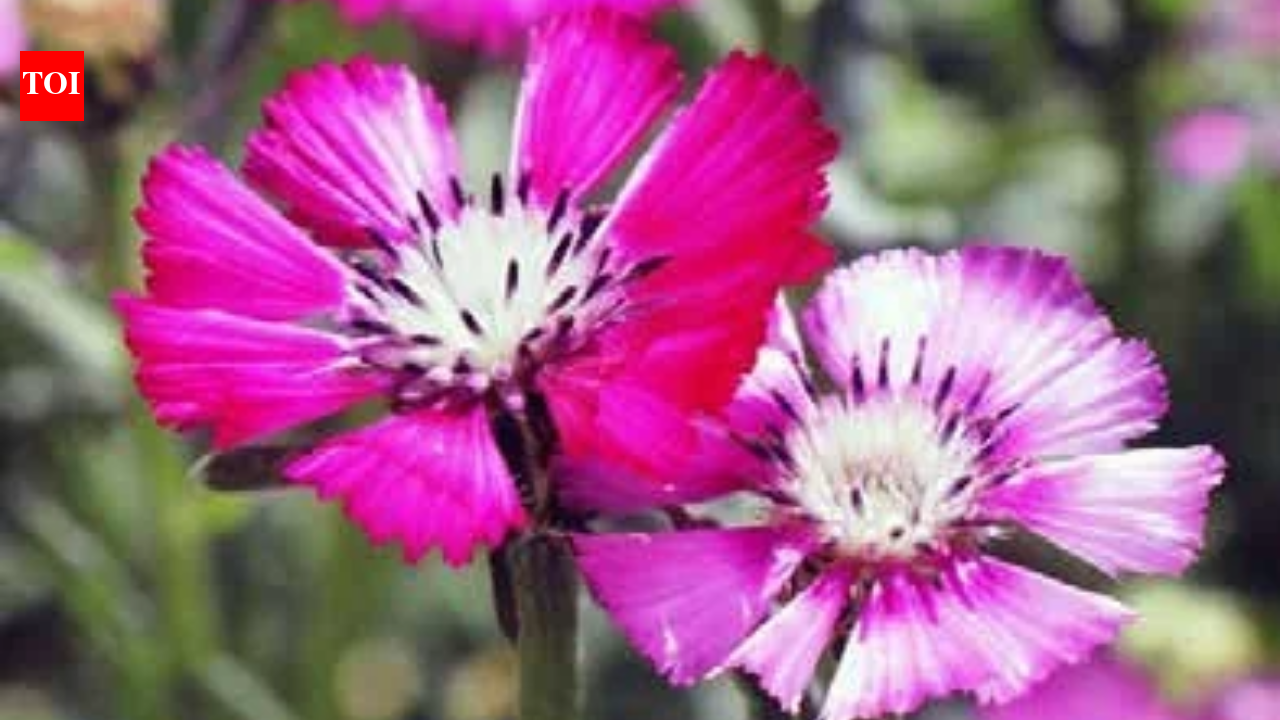
Archaeologists excavating the Bronze Age settlement mound of Külhöyük in the Gölbaşı district of Ankara have discovered 4,000-year-old carbonized seeds of Turkey's rare "love flower" preserved inside an ancient Hittite ceramic vessel. The botanical discovery, made during systematic digs across the central Anatolian plateau and announced by Turkish Culture and Tourism Minister Mehmet Nuri Ersoy, represents the earliest known physical evidence of human interaction with the endemic plant species. The vessel and its botanical contents, dating to approximately 2000 BCE, establish an unbroken biological link between the Bronze Age inhabitants of central Anatolia and an extremely localized wild flowering plant that is today fighting for its survival against modern urban encroachment.
Key facts
What happened
During routine field excavations at Külhöyük, a multi-layered archaeological mound situated within the agricultural and steppe basin of Gölbaşı, field teams unearthing a domestic and administrative complex from the early second millennium BCE recovered an intact, burnished ceramic jug characteristic of Middle Bronze Age and early Hittite craftsmanship. Upon micro-excavation and dry-sieving of the sedimentary matrix sealed within the interior cavity of the vessel, researchers extracted remarkably preserved, charred floral seeds rather than standard agricultural grains or pulses.
Archaeobotanical specialists subjected the seeds to high-resolution microscopic examination and morphometric analysis, comparing the samples with reference collections preserved at regional botanical research stations and natural history repositories in Ankara. The comparative structural diagnostic revealed that the carbonized specimens matched the distinctive morphology of *Centaurea tchihatcheffii*, an iridescent knapweed species colloquially known in Turkey as the "love flower" or "yanardöner." The presence of deliberately gathered wild flower seeds inside a sealed ceramic container indicated intentional storage, preparation, or ritual deposition rather than accidental windblown contamination.
Following laboratory verification, Culture and Tourism Minister Mehmet Nuri Ersoy presented the preliminary findings, highlighting that Külhöyük has provided the earliest archaeobotanical confirmation of this flower in the material record. The seeds, preserved through carbonization—a chemical process where exposure to heat in an oxygen-deprived environment converts organic material into stable elemental carbon—survived millennia beneath stratified layers of mudbrick, ash, and collapsed architectural debris.
Why it matters
The recovery of *Centaurea tchihatcheffii* seeds inside a 4,000-year-old container carries substantial implications for both archaeobotany and contemporary conservation biology. Archaeologically, standard settlement digs across the Near East predominantly recover macro-botanical remains of staple economic crops: einkorn and emmer wheat, two-row barley, lentils, bitter vetch, and common flax. Discoveries of non-staple, wild flowering species gathered and sealed inside specific ceramic forms are exceedingly rare. The find suggests that Bronze Age Anatolians recognized and attributed specific cultural, aesthetic, medicinal, or religious value to local wild flora long before the compilation of formal Hittite botanical inventories and pharmaceutical tablets at Hattusa.
For modern environmental management, the discovery provides empirical proof of long-term ecological continuity within an ultra-restricted geographic zone. *Centaurea tchihatcheffii* possesses one of the narrowest distribution ranges of any endemic vascular plant in Turkey, thriving almost exclusively on the non-calcareous red clay and sandstone steppes bordering Gölbaşı and nearby Mogan and Eymir lake basins. Because the species is classified as critically endangered due to the rapid physical expansion of Ankara's metropolitan perimeter, the excavation serves as an objective baseline demonstrating that the plant has inhabited this precise micro-climate for at least four millennia. The presence of its seeds in an archaeological context provides municipal planners, conservationists, and the Turkish Ministry of Agriculture and Forestry with historical leverage to demand stringent zoning restrictions and aggressive habitat protections for the remaining wild colonies.
The background
Central Anatolia serves as one of the world's primary crossroads for human civilizational development and biodiversity. The Anatolian steppe is characterized by harsh continental extremes—cold, snowy winters and hot, arid summers—which produced an exceptionally diverse community of drought-adapted endemic flora. *Centaurea tchihatcheffii* was first described scientifically in the mid-nineteenth century by the Russian naturalist and geographer Pyotr Chikhachyov during his extensive physical surveys of the Ottoman interior. The flower is notable for its dynamic color changes, appearing vibrant reddish-pink to purplish-crimson under shifting angles of sunlight, an optical quality that gave rise to its Turkish vernacular name "yanardöner" (literally "shimmering" or "turning flame").
Archaeologically, the early second millennium BCE in central Anatolia was marked by the Middle Bronze Age transition, an era defined initially by the Old Assyrian trade network and subsequently by the consolidation of the Hittite state. During this era, settlements like Külhöyük functioned as regional agricultural hubs, administrative outposts, and nodes in complex trade corridors linking the central plateau to Cilicia, the Black Sea coast, and northern Mesopotamia. Excavations across Anatolian mounds have documented that Hittite society integrated botanical materials into complex religious rituals, purification rites, and medical treatments. Cuneiform texts found at the Hittite capital of Hattusa repeatedly mention herbal mixtures, sacred garlands, and aromatic plants offered to storm gods and subterranean deities, though connecting written Hittite plant names to exact biological species has historically proven difficult.
In recent decades, Külhöyük and its surrounding wetlands have faced unprecedented environmental pressure. The expansion of suburban Ankara south toward Gölbaşı has converted vast tracts of pristine steppe into high-density residential subdivisions, private villas, and industrial parks. Despite local environmental campaigns and municipal protections designating specific flower-viewing parcels along the shores of Lake Mogan, illegal collection, recreational disturbance, and the widespread application of chemical herbicides on adjacent agricultural lands have steadily fragmented the wild population of *Centaurea tchihatcheffii*.
Reaction
The formal presentation of the discovery drew immediate praise from Turkey's heritage sector and environmental advocacy organizations. Cultural authorities emphasized that the Külhöyük excavation demonstrates how archaeology can enrich modern ecological stewardship, presenting the flower not merely as a local plant but as an intangible and material artifact of national heritage.
Heritage analysts and botanists at academic institutions in Ankara noted that while modern society frequently perceives urban wildlife as disposable, the Hittite find establishes a direct cultural link to ancient inhabitants who clearly valued the flower. Environmental groups operating within the Ankara province have called on the Ministry of Culture and Tourism to coordinate with the Ministry of Environment, Urbanization and Climate Change to expand the protected ecological boundaries around Gölbaşı. In the civic sector, municipal officials in Gölbaşı, who already feature the "love flower" on regional cultural emblems, expressed plans to integrate the archaeological narrative into existing public education campaigns and eco-tourism initiatives.
What we don't know yet
Despite the significance of the initial identification, several technical questions remain unanswered. Foremost among them is the exact functional purpose of the seeds within the Hittite vessel. Archaeobotanists have not yet published definitive chemical residue analyses of the ceramic matrix itself, leaving open the question of whether the jug contained an oil, an infusion, a fermented beverage, or dry seeds stored for planting or ceremonial use. Hittite religious ritual frequently required the placement of botanical offerings inside graves or foundation deposits beneath structures, but whether the Külhöyük jug was recovered from a domestic pantry, a burial context, or a ritual shrine has not been fully articulated in the initial announcements.
Furthermore, direct accelerator mass spectrometry (AMS) radiocarbon dates run specifically on the seed specimens have not been publicly detailed. While the ceramic vessel provides a firm stratigraphic and stylistic date of approximately 2000 BCE, direct dating of the carbonized seeds will be critical to verify that they are strictly contemporaneous with the pot and do not represent intrusive botanical intrusion from upper strata. Finally, geneticists do not yet know whether ancient DNA can be successfully extracted from the charred specimens to map evolutionary divergences between the Bronze Age population and surviving wild stands.
What to watch
Over the coming months, researchers will focus on the release of comprehensive technical reports from the Külhöyük excavation team detailing the micro-stratigraphy, architectural context, and associated artifacts found alongside the vessel. Botanical researchers will watch for peer-reviewed studies detailing scanning electron microscopy (SEM) imaging of the seed coat patterns to evaluate whether morphological differences exist between Bronze Age *Centaurea tchihatcheffii* and its contemporary descendants.
On the policy front, environmental monitors will observe whether the Turkish government leverages the international attention surrounding the discovery to grant formal national park or reserve status to the remaining wild populations in Gölbaşı. With the flower's natural blooming window occurring annually between late April and early June, regional authorities are expected to introduce updated visitor guidelines and enhanced perimeter protections to prevent unauthorized picking or trampling around core flowering sites.
This account draws on reporting published by TOI Science Desk regarding the archaeological excavations at Külhöyük and statements made by Turkish government officials.
How this story was produced
This report was written by The Global Wire newsroom from reporting first published by TOI Science Desk. We verify the core facts against the original report, write our own account, and add the background and consequences a short wire item leaves out. Drafting is AI-assisted inside an editor-supervised pipeline, and every story is checked for accuracy of attribution, structure and duplication before it appears — full detail in our AI and funding disclosure.
Spotted an error? Tell us at corrections@horizonglobalnews.com and read our corrections policy or editorial standards.





Reader comments
Loading comments…