

86 MW Solar Plant Paired With 380 MWh Hybrid Battery Storage System for Grid and Data Centers
An 86 MW solar project combining lithium-ion and zinc battery technologies will provide extended clean electricity for regional grids and data centers, according to reporting by Neetika Walter.
By The Global Wire Newsroom · Reported from Neetika Walter
Link preview · horizonglobalnews.com
86 MW Solar Plant Paired With 380 MWh Hybrid Battery Storage System for Grid and Data Centers
An 86 MW solar project combining lithium-ion and zinc battery technologies will provide extended clean electricity for regional grids and data centers, according to reporting by Neetika Walter.
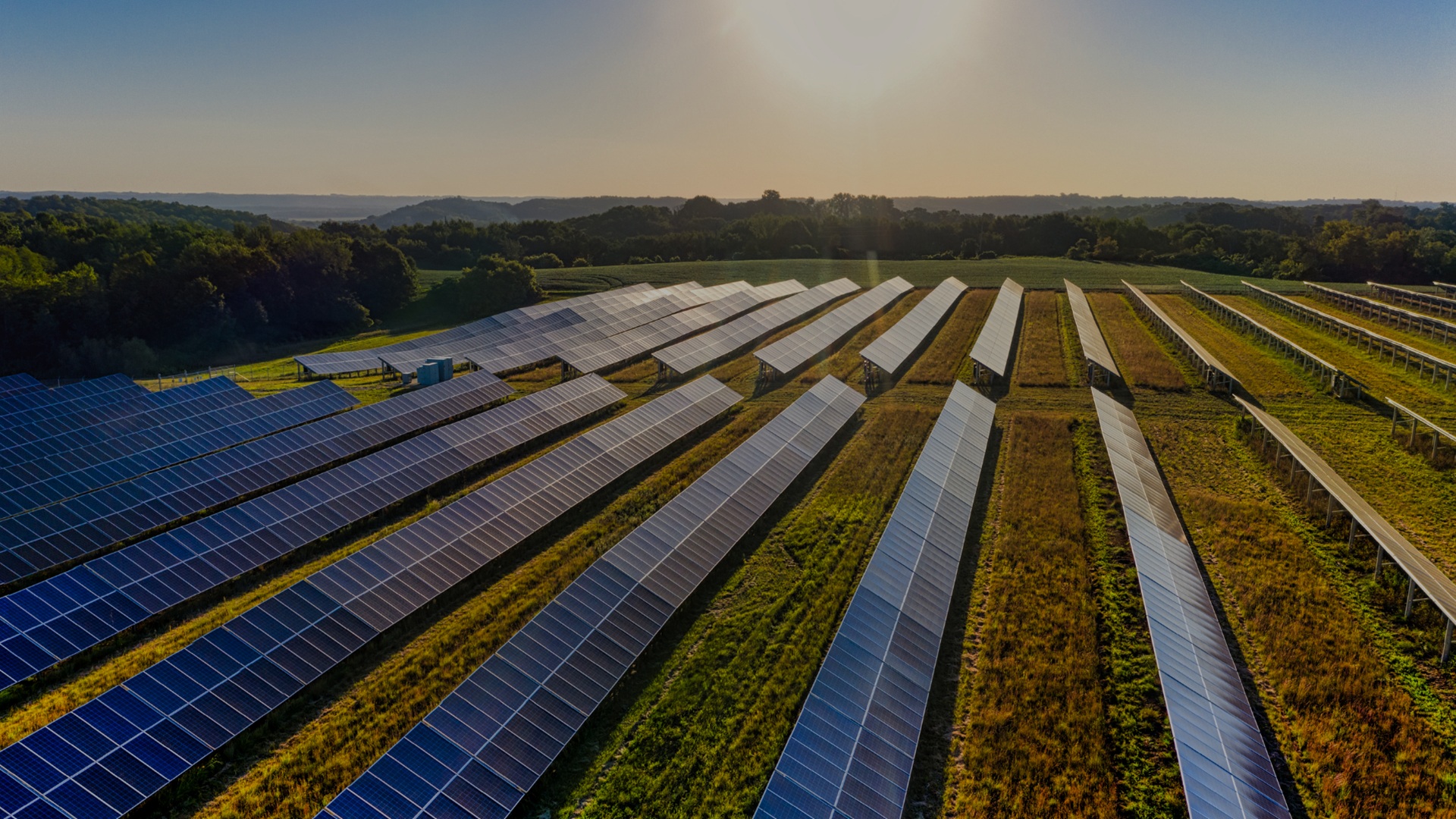
A clean energy deployment featuring an 86-megawatt solar generation array paired with a 380-megawatt-hour battery storage system is being developed to supply low-carbon electricity to regional electrical grids and power-intensive data centers, according to reporting by Neetika Walter. The hybrid energy facility introduces a novel dual-battery configuration that combines conventional lithium-ion batteries with alternative zinc-based energy storage units. Published on Sept. 3, 2026, the development comes as electricity demand from computing infrastructure accelerates, pushing grid developers to deploy multi-chemistry storage systems capable of providing steady renewable power beyond daylight hours.
Key facts
What happened
According to reporting by Neetika Walter on Sept. 3, 2026, plans have been detailed for an 86-megawatt solar energy plant backed by a 380-megawatt-hour battery storage complex. The project is designed to deliver clean electricity directly to energy-demanding data centers while simultaneously providing power stabilization services to the local electrical grid.
The central innovation of the facility lies in its hybrid energy storage setup. Rather than relying on a single battery technology, the installation pairs standard lithium-ion battery packs with zinc-based battery systems. Under normal operating conditions, the 86-megawatt solar photovoltaic array generates electricity throughout peak daylight hours. Excess electricity produced during maximum sun exposure is captured and directed into the 380-megawatt-hour battery storage array, avoiding midday energy curtailment or grid congestion.
The two battery chemistries fulfill complementary roles within the energy system. Lithium-ion batteries provide rapid response capabilities, allowing the plant to quickly react to sudden grid voltage fluctuations and deliver short-duration power bursts. Meanwhile, the zinc battery system offers longer-duration discharge performance, allowing energy stored during sunny periods to be dispatched steadily over extended hours when solar generation declines or overnight electricity demand peaks.
By feeding this dispatched solar energy to data centers and grid distribution lines, the hybrid plant aims to create a consistent, reduced-carbon power supply for computing operations that require non-stop electrical input.
Why it matters
The pairing of an 86-megawatt solar farm with a 380-megawatt-hour hybrid battery system illustrates an emerging strategy for addressing the heavy power consumption of digital infrastructure.
High-density data facilities operating cloud platforms and artificial intelligence workloads require continuous, 24-hour electrical power. Because solar photovoltaic panels produce power exclusively during daylight hours, grid operators and technology firms have historically had to rely on natural gas peaker plants or coal generation during evening hours to maintain continuous power. A 380-megawatt-hour storage capacity paired with an 86-megawatt generation source provides a substantial energy buffer—yielding an energy-to-power ratio of over four hours of full-capacity output—enabling daylight solar energy to be shifted into overnight demand periods.
Furthermore, integrating zinc batteries alongside lithium-ion units provides a real-world test for diversifying grid-scale energy storage technology. Lithium-ion currently accounts for more than 90 percent of global utility-scale battery installations. However, reliance on lithium-ion presents persistent concerns regarding raw material supply chain bottlenecks, price volatility, and potential thermal runaway hazards that necessitate heavy fire suppression infrastructure.
Zinc batteries offer several operational advantages as a secondary chemistry. Zinc is globally abundant, significantly lower in raw material cost, non-flammable, and chemically stable across wide temperature ranges. By demonstrating that lithium-ion and zinc technologies can be integrated within a single operational facility, this project offers a blueprint for building safer, more resilient grid storage systems that lower reliance on critical mineral supply chains while meeting stringent industrial power requirements.
The background
The adoption of hybrid solar-plus-storage projects reflects a broader transition in global power grid design as utilities adapt to increasing levels of variable renewable energy.
For decades, utility grids depended on fossil-fuel or nuclear power plants to provide baseline generation. As solar capacity expanded rapidly over the past decade, grid networks began encountering operational imbalances commonly referred to as the "duck curve." During peak afternoon hours, abundant solar generation creates an oversupply of electricity, depressing market power prices and sometimes forcing operators to shut down solar arrays. At sunset, solar production drops rapidly just as residential and commercial power consumption surges, forcing utilities to rapidly turn on fossil-fueled generation to prevent blackouts.
To smooth out these demand and supply swings, project developers began installing utility-scale battery energy storage systems alongside solar arrays. The overwhelming majority of these facilities installed lithium-ion battery chemistries, such as lithium iron phosphate (LFP) or nickel manganese cobalt (NMC), benefiting from cost reductions driven by the automotive sector. However, standard lithium-ion installations are typically optimized for short-duration energy storage, lasting between two and four hours.
In recent years, the rapid growth of energy-intensive data centers has accelerated overall electricity demand, challenging traditional grid capacity limits. Technology companies seeking to meet strict corporate carbon reduction targets are increasingly demanding "24/7 carbon-free energy" matching, requiring clean electricity generation to match consumption every hour of the day.
This shifting demand landscape has stimulated interest in alternative battery chemistries for long-duration energy storage. Zinc-based energy systems—which include zinc-air, zinc-bromine flow, and aqueous zinc-ion chemistries—have emerged as viable alternatives due to their safety profile, low material costs, and suitability for multi-hour discharge cycles. Combining fast-responding lithium-ion batteries with long-duration zinc batteries allows grid engineers to optimize performance across both short-term frequency regulation and sustained energy dispatch.
Reaction
Official public comments from state regulators, local municipal leaders, or corporate clean energy coalitions regarding the project were not included in the initial reporting by Neetika Walter.
Industry observers and transmission system analysts expect regulatory agencies and grid operators to closely evaluate the operational results of the hybrid installation once online. Energy authorities will be examining how effectively the combined lithium-ion and zinc battery management system handles grid dispatch commands, seasonal variations in solar radiation, and extreme weather events.
At the same time, commercial real estate developers, tech firms, and clean energy procurement managers are watching dual-chemistry hybrid storage projects as potential templates for future power purchase agreements. If the facility succeeds in delivering cost-competitive, round-the-clock clean electricity to its data center off-takers, similar multi-chemistry energy installations are likely to gain momentum across industrial power markets.
What we don't know yet
While key project capacity figures have been published, several essential technical, financial, and regulatory details remain unconfirmed in the reporting by Neetika Walter.
The specific geographic location and regional transmission organization governing the project site have not been disclosed, making it impossible to identify which local grid network or power market will integrate the facility. Additionally, the exact ratio of the 380-megawatt-hour storage system divided between lithium-ion units and zinc battery packs has not been specified. The specific capacity breakdown is critical for evaluating the system's overall duration profile, round-trip efficiency, and capital cost structure.
Furthermore, the precise zinc battery chemistry sub-type—such as zinc-air, zinc-bromine, or aqueous zinc-ion—and the identities of the battery equipment manufacturers have not been revealed. Financial terms, including total construction costs, projected commissioning dates, and the specific data center entities purchasing the power output, also remain unannounced.
What to watch
The future development and operational performance of this hybrid energy project will depend on several upcoming milestones:
This report is based on original news coverage published by Neetika Walter on Sept. 3, 2026.
How this story was produced
This report was written by The Global Wire newsroom from reporting first published by Neetika Walter. We verify the core facts against the original report, write our own account, and add the background and consequences a short wire item leaves out. Drafting is AI-assisted inside an editor-supervised pipeline, and every story is checked for accuracy of attribution, structure and duplication before it appears — full detail in our AI and funding disclosure.
Spotted an error? Tell us at corrections@horizonglobalnews.com and read our corrections policy or editorial standards.





Reader comments
Loading comments…