Индийские ритейлеры расширяют распродажи Black Friday, чтобы сгладить затишье после Diwali
Универмаги, торговые центры и сети магазинов электроники по всей Индии запускают акции к Black Friday, чтобы стимулировать потребительские расходы в период между Diwali и Новым годом.
The Global Wire Newsroom ·
Link preview · horizonglobalnews.com
Индийские ритейлеры расширяют распродажи Black Friday, чтобы сгладить затишье после Diwali
Универмаги, торговые центры и сети магазинов электроники по всей Индии запускают акции к Black Friday, чтобы стимулировать потребительские расходы в период между Diwali и Новым годом.
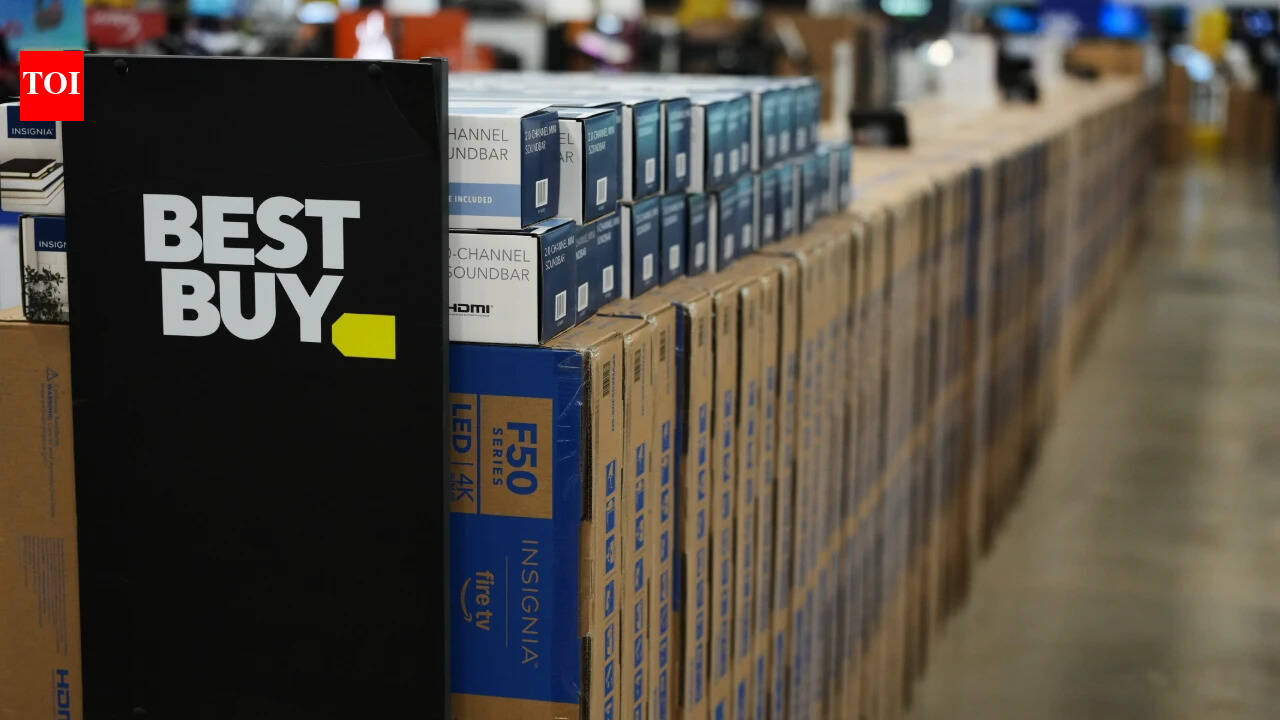
Retail chains, shopping centres, and consumer electronics distributors across India are mounting aggressive Black Friday campaigns in an effort to maintain commercial momentum during the traditional late-autumn lull. Merchandisers who once treated the imported post-Thanksgiving event as a niche digital promotion are now rolling out heavy in-store marketing across physical department stores, suburban malls, and specialty chains. The push features high-value consumer durables, luxury personal accessories, and major electronics, including multi-item home appliance packages priced at nearly Rs 1.5 lakh, signalling an industry-wide push to keep foot traffic and basket sizes elevated in the weeks separating the major festive calendar from year-end clearances.
## Key facts
- Indian retailers are actively using Black Friday promotions to bridge the historical purchasing gap between Diwali and late-December holiday sales. - The promotional window has shifted from an online-only event driven by e-commerce platforms to an omnichannel campaign embraced by physical shopping centres and electronics stores. - Promotional discounting spans a wide array of premium categories, extending from imported designer handbags to bundled white goods. - Featured offers include premium appliance bundles carrying price tags approaching Rs 1.5 lakh (approximately $1,800). - The retail strategy targets an expanding cohort of urban middle- and upper-income households seeking discounted upgrades on high-ticket consumer goods.
## What happened
According to reporting by Supriya Roy and Rupali Mukherjee, domestic retail operations across India have expanded their promotional calendars to make Black Friday a cornerstone sales event. Historically, commercial activity in India slows down sharply following the climax of the festival season, which typically concludes with Diwali and Bhai Dooj in October or November. During this period, consumers traditionally curtail discretionary expenditures after weeks of festive gift-giving, gold buying, and home renovations.
To counter this predictable post-holiday slowdown, brick-and-mortar store operators and multi-brand electronics retailers have adopted the American shopping tradition, transforming it into a major domestic retail fixture. Physical mall operators have introduced extended shopping hours and promotional decor, while floor displays across consumer electronics networks feature steep markdowns and bundled financing packages. Unlike earlier iterations that were predominantly confined to apparel markdowns on digital platforms, the current campaign showcases major capital purchases. Among the most prominent offerings highlighted in retail aisles are comprehensive home appliance packages—such as combinations of smart televisions, multi-door refrigerators, and front-loading washing machines—retailing at price points approaching Rs 1.5 lakh.
Alongside electronics, high-end department stores and luxury boutiques are participating heavily. Retailers are offering structured price reductions on luxury personal goods, including imported designer handbags, branded timepieces, and high-end footwear. By pairing these product categories with targeted point-of-sale financing, instant bank cashbacks, and no-cost equated monthly instalment (EMI) schemes, merchants are actively attempting to persuade consumers to execute major purchases ahead of the January clearance cycle.
## Why it matters
This aggressive push carries significant implications for the broader Indian consumer economy, shifting the structural timing of domestic retail cash flows and testing the purchasing power of urban households. India's consumer retail landscape has long been dictated by the Hindu lunar calendar, with corporate balance sheets heavily dependent on the sixty-day festive corridor stretching from Navratri through Diwali. When post-Diwali sales dry up, retailers face substantial inventory holding costs and showroom overheads while waiting for Christmas and New Year shoppers to materialize.
By establishing Black Friday as an institutionalized discount window, retailers are attempting to create an artificial demand peak in late November. If successful, this calendar manipulation allows brands to clear unsold festival inventory without resorting to deep liquidation distress in late January. For consumers, it provides an additional window to secure big-ticket items with formal dealer discounts, institutional credit lines, and warranty extensions. However, it also accelerates household leverage, as high-value transactions—exemplified by Rs 1.5 lakh appliance packages—are overwhelmingly financed through short-term consumer credit and credit card installment plans. For commercial banking institutions and non-banking financial companies (NBFCs), this period provides a secondary surge in retail loan originations, though it also tests underwriting discipline amid broader regulatory scrutiny regarding unsecured consumer lending.
## The background
Black Friday originated in the United States as an informal moniker for the heavy shopping day following the Thanksgiving holiday, marking the point in the financial year when consumer spending purportedly moved retailers' ledgers "into the black." Over the past two decades, globalization and internet commerce carried the branding across the globe, initially taking root in the United Kingdom, Canada, and Europe before reaching developing digital markets.
In India, the concept was first imported around a decade ago by venture-funded e-commerce portals. Digital marketplaces sought to replicate the success of Singles' Day in China and Black Friday in the West, offering steep price cuts primarily on smartphones, personal computing accessories, and fast-fashion apparel. For several years, traditional brick-and-mortar retailers resisted the event, viewing it as an alien cultural import that arrived too close on the heels of Dhanteras and Diwali—traditions where auspicious buying is deeply ingrained in social and religious practice.
Over the past five years, however, structural changes in Indian retail eroded this physical-digital divide. The rapid rollout of suburban shopping malls, the corporatization of regional electronics dealers into national chains, and ubiquitous smartphone penetration normalized Western promotional calendars among young, metropolitan demographics. Furthermore, supply chain dynamics have placed pressure on domestic retailers to maintain continuous inventory turnover. As global luxury labels and international fast-fashion brands established physical footprints in Indian metropolitan centres, they brought their global clearance schedules with them, forcing domestic competitors to match discount timing or surrender foot traffic to international chains.
## Reaction
Retail executives and commercial centre managers have embraced the initiative as an essential mechanism for demand smoothing. Store managers note that consumer psychology has evolved, with younger urban shoppers increasingly detached from purely auspicious buying schedules, choosing instead to time major personal purchases around promotional discount depth. Trade associations representing electronics distributors and shopping mall operators have increasingly coordinated their marketing campaigns, synchronizing regional advertising blitzes across print and social channels to convince shoppers that offline stores can match or beat internet prices.
Consumer finance institutions have aligned closely with this strategy, offering bespoke cashback partnerships with major credit card issuers to drive payment volume. Conversely, retail analysts and macroeconomic observers remain divided over the long-term impact on operating margins. While revenue figures during promotional weekends demonstrate sharp spikes, the continuous discounting cycle from October through January risks compressing retailer gross margins. Furthermore, sector analysts caution that continuous sales promotions can cultivate bargain-hunting habits among consumers, weakening baseline pricing power during regular non-promotional trading months.
## What we don't know yet
Crucial operational details regarding the ongoing sales event remain unconfirmed. Available industry reporting does not yet provide audited sales figures, aggregate revenue volumes, or footfall comparisons relative to previous festive seasons. It is currently unclear whether these sales represent genuine baseline demand expansion or merely demand cannibalization that pulls forward expenditures that would have otherwise occurred during the late-December holiday period.
Additionally, comprehensive data is not yet available regarding inventory composition. Market observers cannot yet verify the degree to which bundled Rs 1.5 lakh appliance packages and discounted luxury items consist of current-year stock versus slow-moving inventory left unsold from the Diwali rush. The extent of retailer margin compression—and whether credit subsidies and bank cashbacks are being absorbed by retail chains or underwritten by equipment manufacturers—also remains unquantified until quarterly corporate earnings reports are filed in the new year.
## What to watch
Over the coming weeks, market participants will monitor several critical milestones to gauge the durability of the Black Friday expansion in India. The primary indicators will emerge in early December, when major publicly traded retail conglomerates, department store groups, and organized consumer electronics chains publish their mid-quarter trading updates. These figures will reveal whether footfall translated into profitable transaction volume or merely low-margin inventory clearing.
Analysts will also track high-frequency credit card processing data and unified payments interface (UPI) merchant transaction statistics published by the Reserve Bank of India. A sharp, sustained uptick in merchant transaction values in late November will confirm that the Black Friday window is functioning as an independent revenue pillar rather than an isolated weekend blip. Finally, the true test of the strategy will manifest in late December: if Christmas and year-end sales display severe weakness, it will indicate that retailers have simply shifted their revenue calendar backward rather than generating net-new consumer demand.
This account is based on original reporting by Supriya Roy and Rupali Mukherjee on Indian consumer retail trends and commercial promotional campaigns.
Источник: Supriya Roy; Rupali Mukherjee